EN
EN
 ES
ES
 AR
AR


Article Overview: This decision guide gives procurement managers, project engineers, and evaluation committees a structured framework for bag making machine manufacturer evaluation. It shows how to translate operating needs into selection criteria, verify supplier claims before ordering, and compare the trade-offs that determine fit, using only documented machine comparisons and procurement guidance from the published evidence.
How Should Buyers Approach Bag Making Machine Manufacturer Evaluation?
Start by translating production needs into written selection criteria, then compare manufacturers against those criteria instead of against brochure claims. This approach produces comparable quotes and reduces the risk of hidden cost add-ons or incompatible equipment.
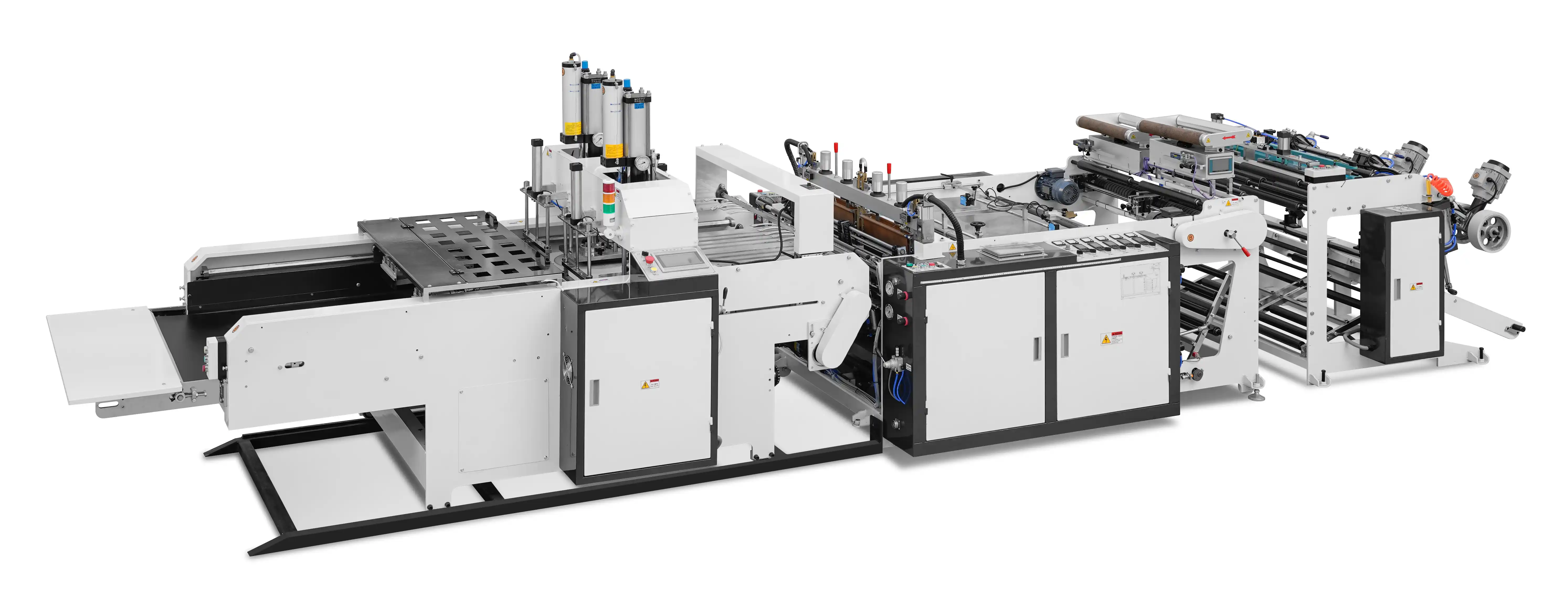
The first step is to define the bag style your line must produce. A bottom sealing machine creates a transverse seal and suits flat bags, trash liners, t-shirt bags, and produce bags. A side sealing machine seals along the length of the film and is common for pouches, courier mailers, and medical waste bags. Because sealing orientation affects bag geometry, film handling, and maintenance, it should be settled before you contact suppliers. If your portfolio includes both geometries, you may need two machine families or a manufacturer that can document options for each.
Document the following operating parameters before evaluation begins:
- Bag width, length, and gusset depth if applicable
- Film type and thickness range, such as HDPE, LDPE, or PLA/PBAT blends
- Target line speed in bags per minute
- Sealing orientation and handle or cut-out style
- Integration needs with existing extruders, printers, or handling systems
These parameters become the backbone of a request for quotation. They force every supplier to respond to the same baseline and expose differences between single-line and double-line offers. If you need a broader view of supplier-level questions, review the plastic bag making machine manufacturer guidance before you begin shortlisting.
Production-first versus price-first shortlisting
Option A: Start with bag dimensions, film resin, and output targets, then ask each manufacturer to confirm technical fit in writing.
Option B: Gather quotes early and use price as the main screen, accepting machine capability claims without documented runs.
Buyer note: Price-first shortlisting often creates non-comparable quotes because one supplier may quote a smaller machine while another quotes a higher-output configuration. Evaluation time is better spent on verified production parameters.
What Should Buyers Verify Before Ordering a Bag Making Machine?
Verify every capability claim with documented runs, written acceptance criteria, and service commitments before you execute a purchase order. Speed figures without a defined bag size and film gauge are not sufficient evidence.
The most reliable evidence is a production trial or documented run on your intended film and bag geometry. As an evaluation example, a manufacturer should be able to confirm compatibility with HDPE, LDPE, or PLA/PBAT blends and state the speed range for each material. Because biodegradable blends can require different temperature profiles and knife behavior, a claim that a machine handles biodegradable film should be supported by a run record showing the actual blend and line speed.
Use this verification sequence for every shortlisted supplier:
Step 1: Confirm line configuration and integration
Ask whether the machine can connect to your existing extruder, printer, or handling systems and whether modular expansion is possible. The answer affects installation cost and future flexibility.
Step 2: Request material-compatible test runs
Provide your exact bag size, film thickness, and resin grade. Ask for a written test protocol and, if possible, a witnessed run or a sample batch that you can inspect.
Step 3: Define changeover and maintenance assumptions
Changeover complexity determines how much production time you lose between bag sizes. Ask for documented changeover times, tooling requirements, and maintenance points that need regular attention.
Step 4: Verify spare parts and service response
For a converting line, downtime is often more expensive than the machine price. Confirm spare-parts availability, remote diagnostic support, and the manufacturer's response commitment in your region.
Before sending the formal RFQ, apply the bag making machine procurement checklist to turn these checks into supplier-specific questions and acceptance language.
Which Bag Making Machine Manufacturer Evaluation Trade-Offs Matter Most?
The most consequential trade-offs are sealing technology versus bag style, line speed versus operator complexity, and material flexibility versus processing stability. Each trade-off changes which manufacturer is a better fit for your production profile.
No single manufacturer profile is universally correct. An evaluation framework should make trade-offs explicit and weight them according to your product mix.
Bottom sealing versus side sealing machine fit
Bottom sealing machines: create a transverse seal at the bottom of the bag and fit flat bags, t-shirt bags, produce bags, and similar geometries. Film tension must be stable to keep the seal aligned.
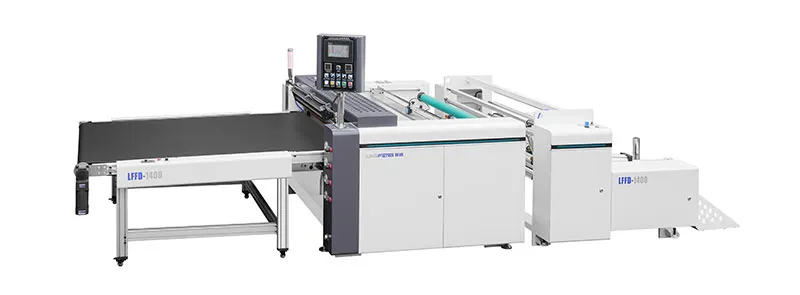
Side sealing machines: create a seal along the film length and suit pouches, courier mailers, and gusseted products. They often rely on hot-air or hot-knife sealing with folded film.
Buyer note: If your product line includes both styles, prioritize manufacturers who can document successful runs for the sealing orientation you actually need rather than the one they sell most.
Throughput versus operating complexity
Single-line configuration: offers simpler setup and lower initial complexity, with documented speeds up to 120 bags per minute for t-shirt style machines.
Double-line configuration: processes two lanes at once and can reach 200-300 bags per minute in documented comparisons, without doubling floor space. It requires more advanced controls and operator training.
Buyer note: In an evaluation, always compare both configurations at the same bag size and film gauge; otherwise, throughput figures cannot be compared fairly.
Material choice creates another trade-off. HDPE tends to favor stiffness and line speed, LDPE favors softness and tear resistance, and PLA/PBAT blends can meet compostability needs but introduce processing constraints. The supplier evaluation should ask for documented successful runs for the exact resin you intend to process, not only for the material family the manufacturer highlights.
How Should You Weight Evidence When Building a Shortlist?
Weight evidence by operational impact: documented runs, changeover time, service response, and spare-parts availability should outweigh pricing promises and delivery dates when you build the final scoring model.
A practical approach is to create a weighted scorecard before quotes arrive. The weights should reflect your production priorities. If you run 24-hour shifts, service response and spare-parts availability deserve higher weight. If you make short production runs, changeover speed may matter more than maximum line speed.
Common weighting categories for a manufacturer evaluation include:
- Technical fit with your bag style, film, and speed
- Line integration and modularity
- Changeover speed and tooling requirements
- Service response and spare-parts availability
- Documented evidence quality and trial results
The purpose of weighting is to force the evaluation committee to agree on what matters before a supplier can influence the conversation. Cross-check claims with the automatic bagging machine manufacturers evaluation guide when you need a structured view of line configuration, film compatibility, and after-sales support.
FAQ
Which bag making machine evaluation criteria have the largest impact on total cost of ownership?
Film compatibility, sealing orientation, changeover complexity, and after-sales service usually have the largest effect. A machine that cannot process your intended resin or requires long changeovers will erode the value of a low initial price much faster than an apparently more expensive machine that matches your production profile.
Can one evaluation checklist cover different bag making machine types?
Use the same framework but adjust the technical criteria. A bottom sealing machine and a side sealing machine serve different bag geometries, and single-line and double-line configurations have different speed and operator requirements. The evaluation logic remains constant: define your operating need, request documented evidence, and compare suppliers against the same written baseline.
How should buyers handle manufacturer speed claims that seem too high?
Treat unqualified speed claims as incomplete evidence. Ask for the bag dimensions, film thickness, and resin grade that produced the stated speed, and require a witnessed test run or documented production record. For due diligence during supplier assessment, you can also evaluate the manufacturer's line configuration and service documentation before accepting any throughput figure.
Conclusion: Build a Decision Framework Before You Order
Bag making machine manufacturer evaluation is a structured process, not a price search. Define your bag style, film, speed, and integration needs first; verify every supplier claim with documented runs and service commitments; then weight the trade-offs that fit your production profile. A criteria-driven framework creates comparable quotes, reduces procurement mistakes, and gives the evaluation committee a defensible basis for the final decision.