EN
EN
 ES
ES
 AR
AR


Article Overview: This procurement guide helps production managers and project engineers translate bag-making requirements into Lingfeng Machinery selection criteria, decide what to verify before ordering, and understand the trade-offs that affect RFQ quality. A structured requirement sheet and an evidence-based acceptance plan reduce purchase mistakes. It relies on published Lingfeng Machinery comparison and evaluation guides, not on site-specific performance promises.
How Should Buyers Choose Lingfeng Machinery?
Buyers should first define bag style, film material, dimensions, and target output, then match those requirements to the machine family and sealing orientation. This sequence keeps quotations comparable and focuses evaluation on production constraints.
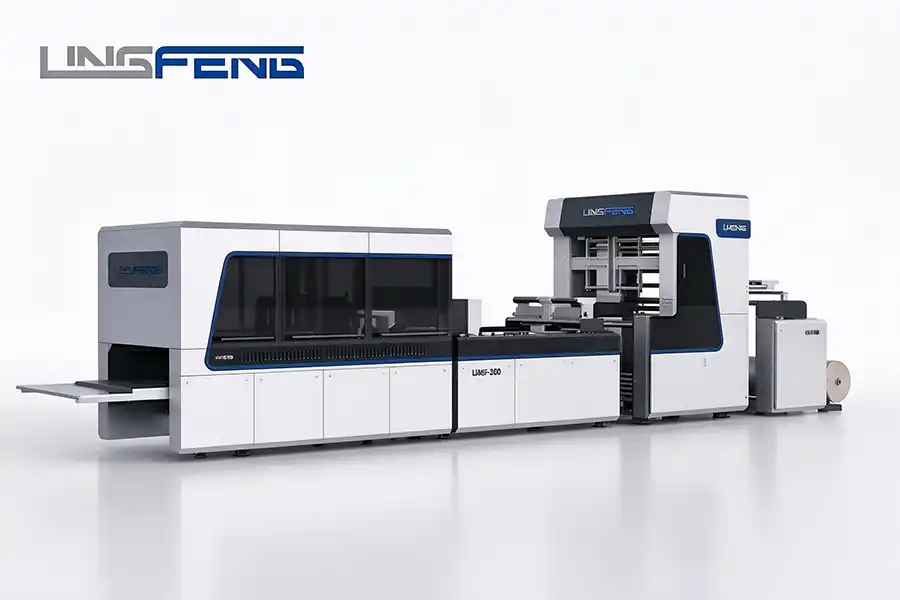
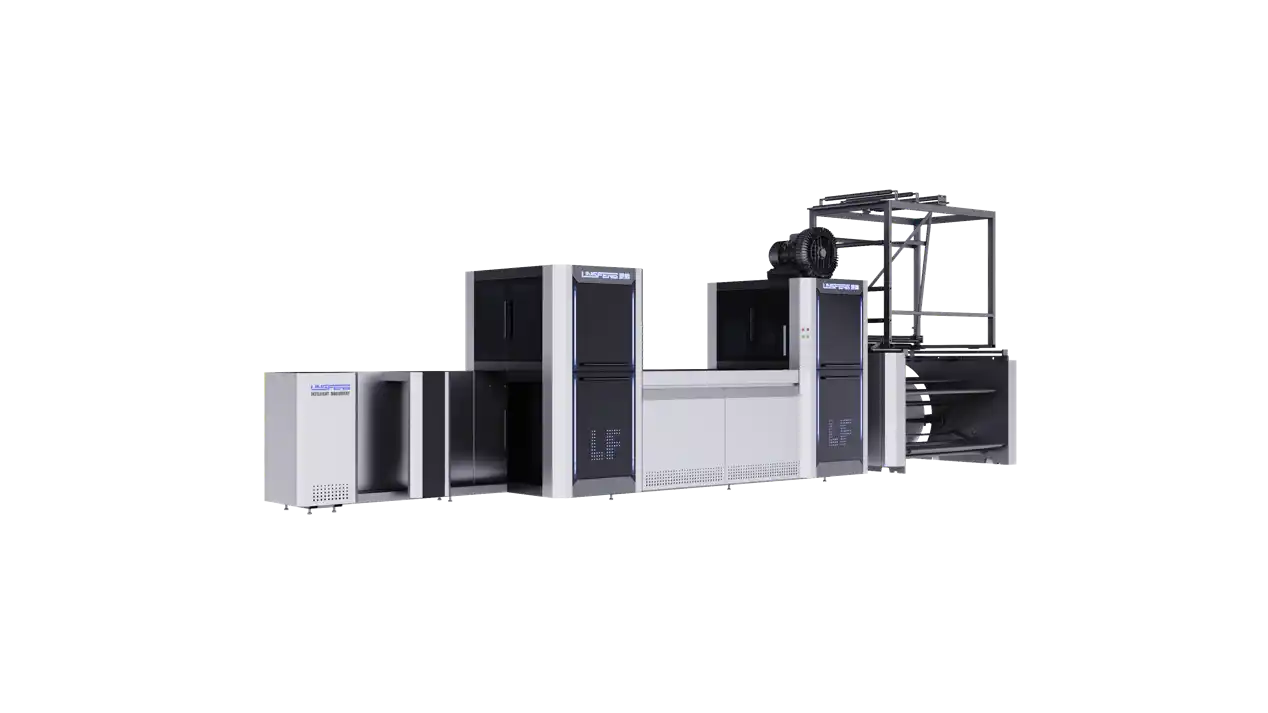
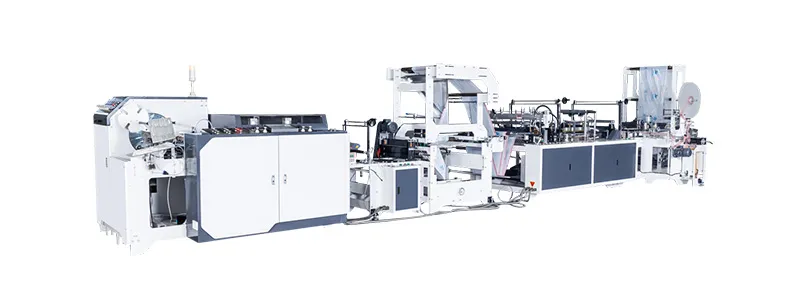
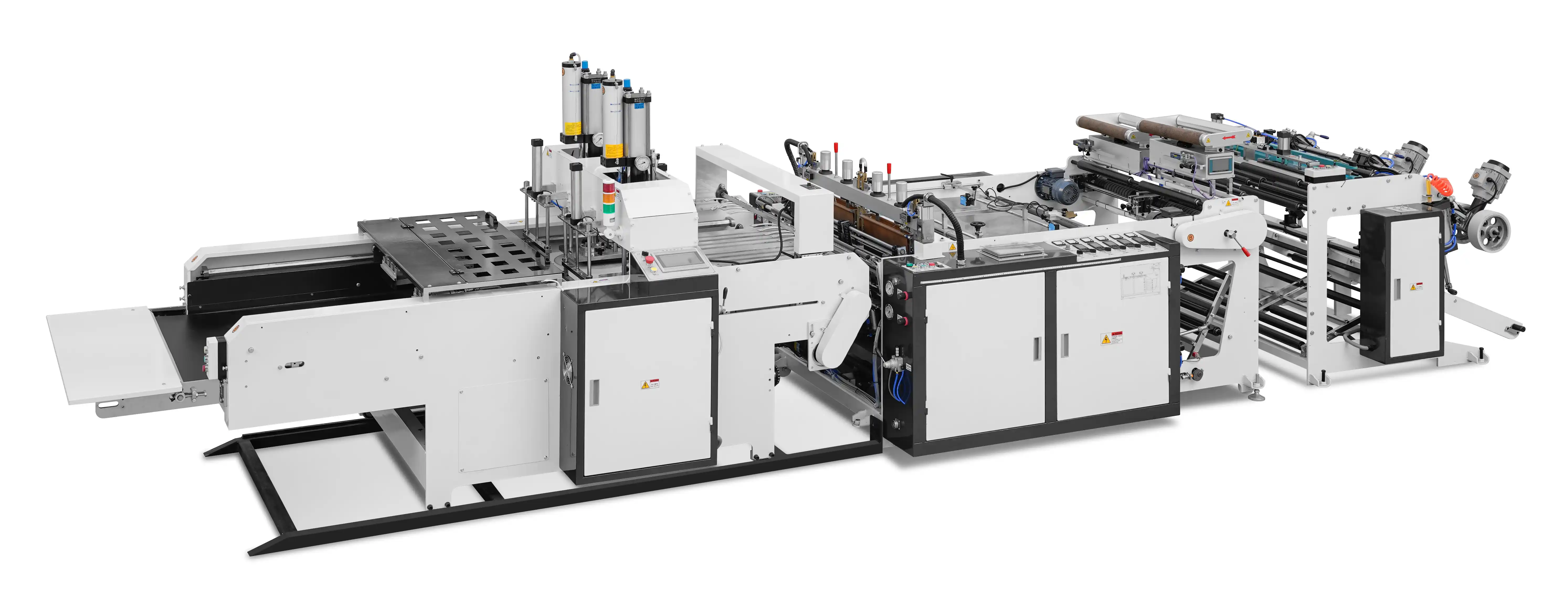
Lingfeng Machinery lines are grouped by film path and sealing method. Side sealing machines create seals along the vertical edges for flat bags, courier pouches, and specialty shapes. Bottom sealing machines create a seal across the bag bottom and are typical for T-shirt bags and shopping bags. Bags-on-roll machines produce continuous perforated bags wound on reels for produce and garbage bags. Specialized configurations handle heavy-duty, biodegradable, and custom-handle products.
Build an operating requirement sheet before comparing specifications. It should capture the exact bag style, dimensions and gusset, film material and thickness range, output target per minute, changeover frequency, and floor space available. Without these fields, suppliers may quote very different capabilities. Material choice also affects machine setup: HDPE, LDPE, and PLA/PBAT blends require different temperature profiles, knife adhesion behavior, and line speed settings. If you plan to change materials, ask how the line adjusts and which tooling changes are needed.
The decision criteria to capture in that sheet are bag geometry and seal orientation, film material and thickness, output capacity, and changeover and maintenance expectations. Each criterion maps to a different part of the machine specification. When a line will run multiple materials, ask about the sealing system's adjustability. A machine set up for HDPE may need temperature and knife changes before it can process LDPE or PLA/PBAT blends. If the supplier cannot describe the adjustment procedure, include a material trial in the acceptance phase.
Output rates should be quoted with a reference bag size. A machine that runs at 120 bags per minute on a small bag may run slower on a large or gusseted bag, so ask suppliers to state the dimensions behind any speed claim. Also check whether the machine can integrate with existing extruders, printing lines, or rewinders; modularity affects both installation cost and future expansion. If the product range includes both flat bags and pouches, review the bottom sealing vs side sealing bag machine comparison before finalizing the machine family.
What Should Buyers Verify Before Ordering Lingfeng Machinery?
Before ordering, verify documented specifications, evidence of successful runs on your film material, after-sales service scope, and the complete quotation content. Acceptance criteria should be tied to measurable outputs such as dimensions, seal integrity, and output rate.
Verification has two layers. Specification verification confirms the quoted machine can physically produce the bag within the required dimensions and film thickness range. Supplier verification checks whether the manufacturer has evidence of running similar materials and what happens when the line stops. Both layers belong in the purchase file.
Step 1: Compare the quoted specification to your requirement sheet
Check bag width, length, gusset, film thickness range, sealing method, and maximum output. Flag every feature listed as optional or excluded, and ask suppliers to confirm which items are inside the quotation.
Step 2: Request material and production evidence
Ask for run records or a demonstration on your film type. For biodegradable films, confirm temperature profiles and knife behavior instead of assuming that a standard line can process them without modification.
Step 3: Define the installation and service scope
Clarify delivery, commissioning, operator training, spare parts availability, and remote troubleshooting response. Put the responsible party and response time for each item in writing.
Step 4: Write acceptance criteria into the purchase contract
Use measurable outputs such as bag dimensions at nominal line speed, seal integrity, and agreed film waste tolerances. Tie payment milestones to verified results rather than to delivery alone.
A quotation should itemize the machine, feeding system, sealing and cutting units, control system, tooling, installation, and training. Comparing itemized scopes is more reliable than comparing a single total price. Also ask which wear parts are stocked and what response time is promised for remote support and technician visits; both factors affect total downtime over the machine life. Requests should also specify the maximum film roll diameter and web width the machine can handle, because these values affect material handling, reel loading, and floor layout. Use the same scoring sheet across suppliers. The automatic bagging machine manufacturers evaluation guide offers a structured framework for comparing line configuration, modularity, film compatibility, and after-sales service.
Which Lingfeng Machinery Trade-Offs Matter Most?
The main trade-offs are sealing orientation, single-line versus double-line output, and material flexibility. No option is universally better; the right choice depends on your product mix, floor space, and operator training capacity.
Sealing orientation
Bottom sealing suits flat bags and T-shirt bags, while side sealing suits pouches, courier mailers, and medical waste bags. The seal orientation changes film handling, sealing bar type, and changeover complexity.
Single-line vs double-line output
Single-line t-shirt bag machines can run up to 120 bags per minute and are simpler to set up. Double-line machines run two lanes at 200 to 300 bags per minute but need synchronized drives, more advanced controls, and more experienced operators.
Material flexibility
HDPE offers stiffness, LDPE offers softness and tear resistance, and PLA/PBAT blends offer compostability but introduce processing constraints. Material selection changes sealing temperature, knife adhesion behavior, and achievable line speed.
These trade-offs interact. A machine that handles biodegradable film is not automatically suitable for a high-volume HDPE line. Check material compatibility and output target together, not as independent specifications. As a hypothetical example, a producer running only trash liners may prefer a simple bottom seal line with continuous motion, while a packaging supplier running courier mailers may need a side seal line with folded film handling. Neither choice is wrong if it matches the product mix. The weight of each trade-off depends on the production program. A single-product line with continuous orders can tolerate a longer changeover because changeovers are rare. A multi-product line needs quick size adjustments even if the maximum output is lower.
Turning Requirements into a Supplier RFQ
After selection criteria and verification steps are clear, convert them into a written RFQ. Send the same document to every supplier so proposals are comparable on the same commercial and technical terms.
- Define the bag product: style, width, length, gusset, and thickness range.
- State the production target: output rate, operating hours, and changeover frequency.
- Specify the sealing and cutting method: bottom seal, side seal, or perforation; hot bar, hot knife, or flying knife.
- List the film materials: HDPE, LDPE, and biodegradable blends, with the required micron or mil range.
- Define installation and service scope: delivery, commissioning, training, and spare parts.
- Include acceptance and warranty terms: measurable output checks and response commitments.
The RFQ should specify the expected delivery timeline and require suppliers to state what documentation will be delivered with the machine, such as electrical drawings, spare parts lists, and operation manuals. It should also request references from installations running a similar bag style and film material, and ask suppliers to state their typical commissioning period. This information gives the evaluation team a way to sanity-check claimed output and service response. For t-shirt bag projects, use the t-shirt bag machine RFQ checklist to make sure the parameters are complete before sending the document.
FAQ
Should buyers request a factory visit before ordering Lingfeng Machinery?
A factory visit is valuable when new film materials or high output rates are involved. It lets your engineers see the actual line, ask about changeover details, and confirm the quoted configuration. If a visit is not possible, require a recorded demonstration of a comparable line and include post-installation trials in the contract.
What are common procurement mistakes with bag-making machines?
Common procurement mistakes include sending incomplete RFQs, comparing quotes with different scopes, and skipping material compatibility checks. Specify bag dimensions, film thickness, output target, and included services for every supplier. Use the same requirement sheet so each quote can be compared on the same basis.
Should you choose a single-line or double-line machine for a new bag plant?
Choose based on volume and operating skill. Single-line machines are simpler and can run up to 120 bags per minute; double-line machines can run 200 to 300 bags per minute but need more advanced controls and operator training. If demand is stable and floor space is limited, double-line may justify its complexity.
Conclusion
Selecting Lingfeng Machinery is a decision about matching production needs to machine families, not about picking a single universal model. Define bag geometry and film material first, verify supplier evidence before ordering, and put acceptance criteria into the RFQ. These steps keep procurement mistakes manageable and make supplier comparisons meaningful.