EN
EN
 ES
ES
 AR
AR


Article Overview: This article provides a systematic comparison of bottom sealing vs side sealing bag machine technologies. It covers seal orientation, bag geometry, changeover complexity, film waste, throughput, maintenance, and application fit for flat bags, pouches, courier mailers, and more. The goal is to help procurement and engineering teams evaluate which method aligns with their production requirements.
What Are the Key Differences Between a Bottom Sealing vs Side Sealing Bag Machine?
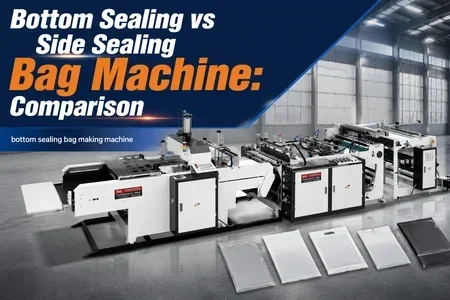
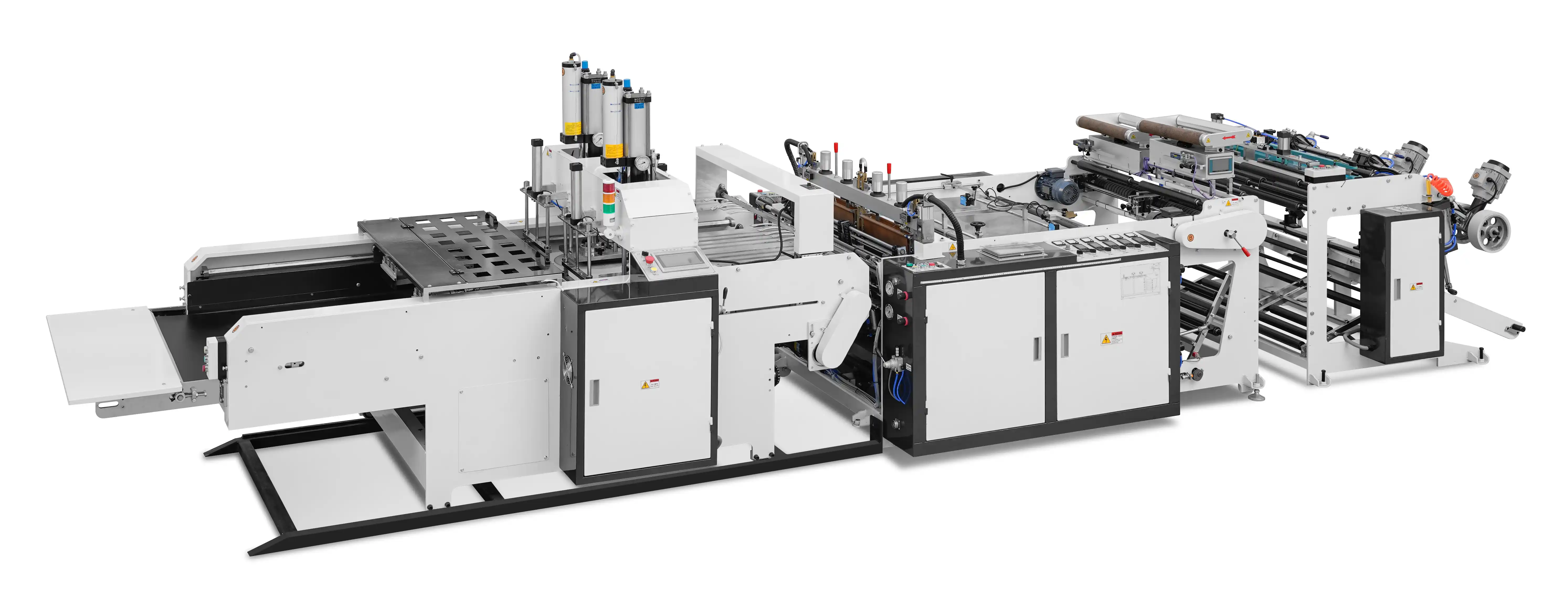
The fundamental distinction lies in the orientation of the seal relative to the machine's film path. In a bottom sealing bag making machine, the seal is created perpendicular to the film flow, sealing the bottom of the bag. This method typically uses a heat-sealing bar or a flying knife system. In a side sealing bag making machine, the seal runs parallel to the film flow, sealing one or both sides of the bag. The choice of sealing orientation directly impacts bag geometry, production speed, and material handling.
Core Mechanism Comparison
Option A: Bottom Sealing
The bottom seal creates a single transverse seal at the bag's bottom. It is ideal for flat bags, trash liners, and produce bags. The machine can be configured with a hot bar for stationary sealing or a flying knife for continuous motion sealing. Film tension is critical to maintain seal alignment.
Option B: Side Sealing
The side seal runs along the bag's length, forming a pouch or gusseted bag. This method is common for courier mailers, food pouches, and medical waste bags. Side sealing machines often incorporate hot air or hot knife sealing, with film folded before sealing. Seal integrity is influenced by film composition and fold accuracy.
Buyer note: Neither method is universally superior. The decision should be guided by your bag’s end-use geometry and material properties. Evaluate both against your production volume and bag spec.
How Do Bottom Sealing vs Side Sealing Bag Machine Affect Bag Geometry and Applications?
Bag shape dictates seal orientation. Bottom sealing produces bags that lie flat with a sealed bottom edge—common for supermarket bags on a roll, heavy-duty garbage bags, and flat pouches. Side sealing produces bags with sealed sides, allowing for a three-dimensional shape that can accommodate thicker goods, such as courier envelopes or stand-up pouches. The table below outlines typical applications:
- Bottom Sealing: Flat bags, T-shirt bags, garbage liners, bread bags, ice bags, medical waste bags (flat sheet).
- Side Sealing: Courier mailers, polyethylene pouches, milk tea bags, ziplock bags, stand-up pouches, gusseted bags.
For example, a producer shifting from generic flat bags to courier poly mailers may find a side sealing machine more suitable because the mailer requires a seal along the sides to form a pocket. Conversely, a manufacturer of grocery carryout bags will likely select a bottom sealing approach for efficiency and simplicity.
How Does Changeover Complexity Compare in a Bottom Sealing vs Side Sealing Bag Machine?
Changeover time and material waste are critical considerations for flexible production lines. Bottom sealing machines often have simpler changeovers for bag length adjustments because only the seal bar position and draw rollers need modification. Side sealing machines may require more complex adjustments for bag width, sealing temperature, and film folding alignment.
Changeover Complexity
Option A: Bottom Sealing
Adjust seal bar timing and cut length. Flying knife systems allow rapid length changes via software. Film tension adjustments are minimal for standard films. Typical changeover: 15–30 minutes for experienced operators.
Option B: Side Sealing
Requires manual adjustment of film folding board, side seal rollers, and sometimes a secondary sealing station. Bag width changes may involve replacing a forming plow. Typical changeover: 30–60 minutes, depending on complexity.
Buyer note: If your production runs frequent short batches, prioritize ease of changeover. Validate machine setup time with the manufacturer for your specific film and bag dimensions.
Film waste differs as well. Bottom sealing machines generally generate less startup waste because the film path is straight. Side sealing machines can produce more scrap during folding adjustments and seal setup, especially when starting a new roll. A well-tuned machine with automated tension control can minimize this waste.
Which Sealing Method Delivers Better Throughput and Maintenance Trade-Offs?
Throughput depends on seal dwell time, cooling time, and mechanical speed. Bottom sealing machines with flying knives can achieve 80–120 cycles per minute for thin films, while side sealing machines often operate at 40–80 cycles per minute due to the longer seal path and folding complexity. However, these numbers vary widely by machine design and film type. Maintenance: bottom sealing hot bars require periodic cleaning and replacement, whereas side sealing hot knives may degrade faster due to constant contact with folded film edges. Gear and bearing wear is similar across both types.
Step 1: Assess Your Bag Type
Identify whether your product requires a flat-bottom seal (garbage bags, flat pouches) or a side seal (pouches, mailers, gusseted bags). This will narrow your machine selection by 80%.
Step 2: Evaluate Production Volume and Frequency
High-volume, low-changeover lines favor bottom sealing for speed and simplicity. High-mix, low-volume runs may still benefit from side sealing if bag geometry demands it. Consider a multi-function machine that can switch between sealing types if justified by volume.
Cost and Energy Considerations: Bottom Sealing vs Side Sealing Bag Machine
Initial capital cost, energy consumption, and per-unit cost are important factors. Bottom sealing machines tend to be less expensive due to simpler mechanics and fewer moving parts. Side sealing machines often have a higher upfront cost because of the folding mechanism, additional sealing stations, and more complex control systems. Energy use: bottom sealing typically consumes less power per bag because the seal length is shorter and cooling is faster. Side sealing requires longer seal dwell time and sometimes preheating of fold boards, increasing energy draw. These trade-offs should be modeled against your expected production volume and bag specifications.
Decision Framework: How to Choose Between a Bottom Sealing vs Side Sealing Bag Machine
Use the following criteria to structure your evaluation. Document the non-negotiable requirements first, then weigh the trade-offs.
- Bag End-Use Geometry: Flat bag, pouch, or gusseted? This determines seal orientation.
- Film Material: LDPE, HDPE, PP, biodegradable? Some materials seal better with side sealing due to fold stretch.
- Seal Strength Requirement: Bottom seals are typically stronger under tensile load along the bag length; side seals are better for puncture resistance at edges.
- Production Volume: Bottom sealing suits high-speed, high-volume production. Side sealing suits moderate speed with more flexibility.
- Changeover Frequency: Frequent size changes favor bottom sealing. If your product mix is narrow, side sealing is viable.
- Floor Space and Automation Level: Side sealing machines may have more complexity, requiring larger footprints and more sophisticated control systems.
Review your product portfolio against these points. For a detailed specification comparison, consult the bottom sealing bag making machines product page to see real parameters. Many manufacturers offer both types, so request a recommendation based on your bag sample.
FAQ
What is the primary difference between a bottom sealing and a side sealing bag machine?
The primary difference is the orientation of the seal relative to the film path. Bottom sealing creates a seal perpendicular to the film flow at the bag bottom; side sealing creates a seal parallel to the flow along the bag sides. This dictates the bag shape and typical applications.
Can one machine produce both bottom seals and side seals?
Most machines are designed for one sealing orientation. Some specialized multi-station machines may offer both, but they are less common and often more expensive. For most production lines, a dedicated bottom sealing or side sealing bag making machine is more efficient.
Which method produces less film waste?
Bottom sealing typically generates less startup and changeover waste due to a straight film path. Side sealing creates more scrap during folding adjustments. However, automated tension control and experienced operators can minimize gaps on either system.
How do I decide if I need a bottom sealing bag making machine or a side sealing machine?
Evaluate your bag’s end-use geometry. If you produce flat bags, garbage liners, or similar, bottom sealing is likely optimal. If you need pouches, courier mailers, or gusseted bags, side sealing is more appropriate. Use the decision framework above to guide your choice.
Are bottom sealing machines faster than side sealing machines?
Generally, bottom sealing machines with flying knives can achieve higher cycle rates (80–120 cycles/min) because the seal is short and cooling is quick. Side sealing machines (40–80 cycles/min) require longer sealing paths. However, actual speed depends on film type, bag size, and machine specification.
What are the typical maintenance requirements for each type?
Bottom sealing machines require periodic cleaning and replacement of hot sealing bars. Side sealing machines may need more frequent attention to folding boards and hot knife edges. Both benefit from regular lubrication and tension monitoring. Consult the machine manual for detailed schedules.
Conclusion: Making the Right Choice for Your Production Line
Choosing between a bottom sealing and a side sealing bag making machine is a function of your product’s bag geometry, production volume, and changeover tolerance. Bottom sealing excels in high-speed flat bag production with minimal film waste, while side sealing provides the geometric flexibility required for pouches and mailers. Neither method is inherently better—fit is everything. Start by defining your bag’s end-use, then evaluate each technology against your operational constraints. For a side-by-side review of available systems, explore the side sealing bag making machines product page to align technical specifications with your production goals.