EN
EN
 ES
ES
 AR
AR


Article Overview: This guide walks procurement decision-makers through the critical steps of how to choose a bag making machine. It covers bag format requirements, output volumes, seal types, film widths, automation levels, and supplier evaluation. Whether you are new to plastic bag making machine selection or refining your existing line, this checklist will help you align technical specifications with business goals and reduce purchasing risk.
What Bag Types and Volumes Should You Plan For?
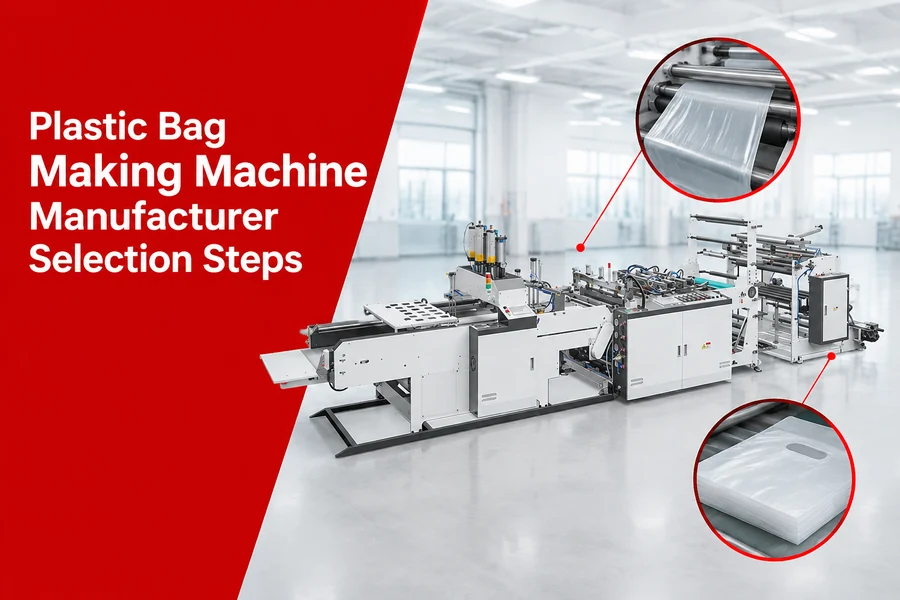
Your first decision in how to choose a bag making machine is understanding the bag formats you need to produce. Common categories include T-shirt bags, bottom seal bags, side seal bags, bags on a roll, and specialty bags like drawstring or loop handle. Each format requires a specific machine configuration. For example, T-shirt bags need a machine with a sealing and cutting mechanism that creates the characteristic handles, while bottom seal machines produce flat bags with a seal at one end. If you plan to produce multiple formats, consider a flexible machine or dedicated lines. Volume is equally critical. High-volume production demands high-speed machines with heavy-duty components, whereas lower volumes may tolerate semi-automatic or manual machines. Use the table below to map your daily output to machine speed requirements:
- Up to 50,000 bags/day: Semi-automatic machines (40-60 cycles/min)
- 50,000-200,000 bags/day: Fully automatic machines (60-120 cycles/min)
- Over 200,000 bags/day: High-speed multi-line or servo-driven machines (120+ cycles/min)
Aligning volume with machine capacity prevents bottlenecks and ensures your plastic bag making machine selection matches installation demand. For a deeper look at specific bag types, visit our plastic bag making machine selection system for detailed comparisons.
Step 1: Define Bag Dimensions and Film Width
Measure the finished bag width, length, and thickness. Then calculate the required unwind film width. For bottom seal bags, film width equals bag width plus 10-20mm for sealing margins. For side seal bags, film width equals bag length plus similar margins. Confirm that the machine can handle your maximum film width. Overstretching the machine reduces speed and increases waste.
How Do You Match Machine Specs to Your Output Needs?
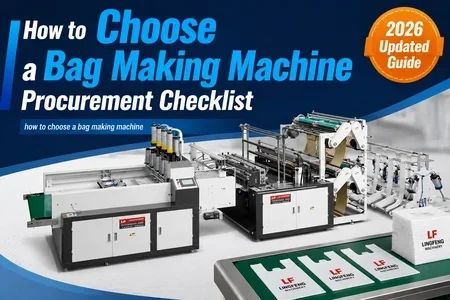
Once you know your bag types and volumes, the next phase of how to choose a bag making machine involves technical specifications. Key parameters include sealing type (heat seal, ultrasonic, or hot knife), cutting method (hot cut, cold cut), servo drives vs. mechanical cams, and control system (PLC with touchscreen vs. basic relay). For plastic bag making machine selection, prioritize sealing consistency and speed. A machine with independent temperature control across the sealing jaw ensures uniform seals even at high speeds. Servo-driven machines offer better precision and lower maintenance than mechanical systems. Ask suppliers for speed tests on your actual film materials. The flow block below outlines a systematic evaluation process:
Phase 1: List Required Features
Write down non-negotiable features: bag width range, sealing width, servo control, automatic film splicing, stacker or rewinder, and safety certifications. Then rank optional features like embossing, hole punching, or labeling.
Phase 2: Compare Shortlisted Models
Create a comparison matrix using supplier datasheets. Include: max bag size, speed (cycles/min), film thickness range, power consumption, and changeover time. Request test runs with your film to verify actual output and scrap rates.
To see how different machine models stack up, check our bag making machine procurement checklist for side-by-side specifications.
What Automation Level Is Right for Your Operation?
Automation directly impacts labor costs, consistency, and throughput. In how to choose a bag making machine, automation is often the biggest cost driver. Manual machines require constant operator attention for feeding film, adjusting seals, and counting. Semi-automatic machines automate feeding but still need operators for quality checks. Fully automatic machines with servo drives, automatic tension control, and integrated stackers can run with minimal supervision. However, higher automation increases initial investment and complexity. For plastic bag making machine selection, evaluate your labour costs and skill availability. If skilled technicians are scarce, choose a machine with remote diagnostics and easy-to-use PLC. Below is a list of automation considerations:
- Manual: Lowest cost, highest labour dependence – best for short runs or prototyping.
- Semi-automatic: Moderate cost, improved speed – suitable for mid-volume production.
- Fully automatic: Highest cost, highest throughput – ideal for high-volume, 24/7 operations.
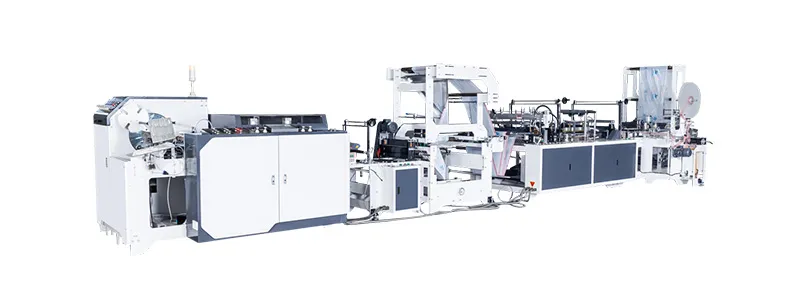
Also consider integration with upstream extruders and downstream packaging. A fully automated line may include film unwinders, edge trimmers, and automatic bag packaging machines. This holistic approach reduces material handling and waste.
How Can You Reduce Risk in Supplier Selection?
The final step in how to choose a bag making machine is choosing a reliable supplier. Even the best machine is useless without quality support. Use this supplier evaluation checklist:
- Check order: Verify supplier track record – ask for customer references and case studies.
- Warranty and spare parts: Ensure at least 12 months warranty and local spare parts availability.
- Training and installation: Confirm supplier provides on-site training and commissioning.
- After-sales service: Look for remote troubleshooting and response time guarantees.
- Certifications: ISO, CE, or UL compliance may be required for your market.
For a specific machine category, like bottom sealing bag making machines, request a video trial and sample bags before purchase. A transparent supplier will share performance data and run your material in their facility.
FAQ
What is the most important factor when learning how to choose a bag making machine?
The most important factor is matching the machine to your bag format and production volume. Choosing a machine that cannot handle your bag dimensions or speed requirements will lead to frequent breakdowns and missed deliveries. Always start with a clear bag specification sheet.
How does film quality affect plastic bag making machine selection?
Film quality influences sealing temperature, speed, and film thickness range. Machines with wide temperature control ranges and servo-driven unwinders can adjust to variable film gauges. Request low-quality film tests if you plan to use recycled or thinner materials.
Should I buy a new or used machine?
New machines come with modern controls, better energy efficiency, and full warranty. Used machines cost less but may require frequent repairs and lack automation. For high-volume production, new is recommended. For startups with limited capital, a used machine from a reputable seller can be a stopgap.
What are the hidden costs in bag making machine procurement?
Hidden costs include installation (concrete work, electrical upgrades), training time, tooling for different bag sizes, spare parts inventory, and downtime during changeovers. Include a 15-20% contingency in your budget for these items.
Conclusion
Mastering how to choose a bag making machine requires a systematic approach: define your bag types and volumes, match technical specs, decide on automation level, and vet suppliers thoroughly. Use this procurement checklist to guide your plastic bag making machine selection process. By prioritizing fit over price and investing in supplier support, you will reduce risk and achieve higher long-term ROI. For further assistance, explore our plastic bag making machine selection solution or contact our technical team for personalized recommendations.