EN
EN
 ES
ES
 AR
AR


Article Overview: This article explains the cost drivers for side seal bag making machines, aimed at procurement managers and project engineers. It addresses automation level, speed, sealing technology comparisons, and total cost of ownership. The conclusion offers a practical framework for preparing an informed RFQ, based on evidence from machine specifications and industry practice.
What factors influence the price of a side seal bag machine?
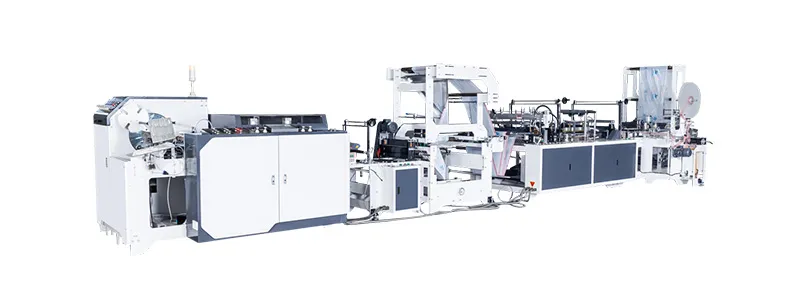
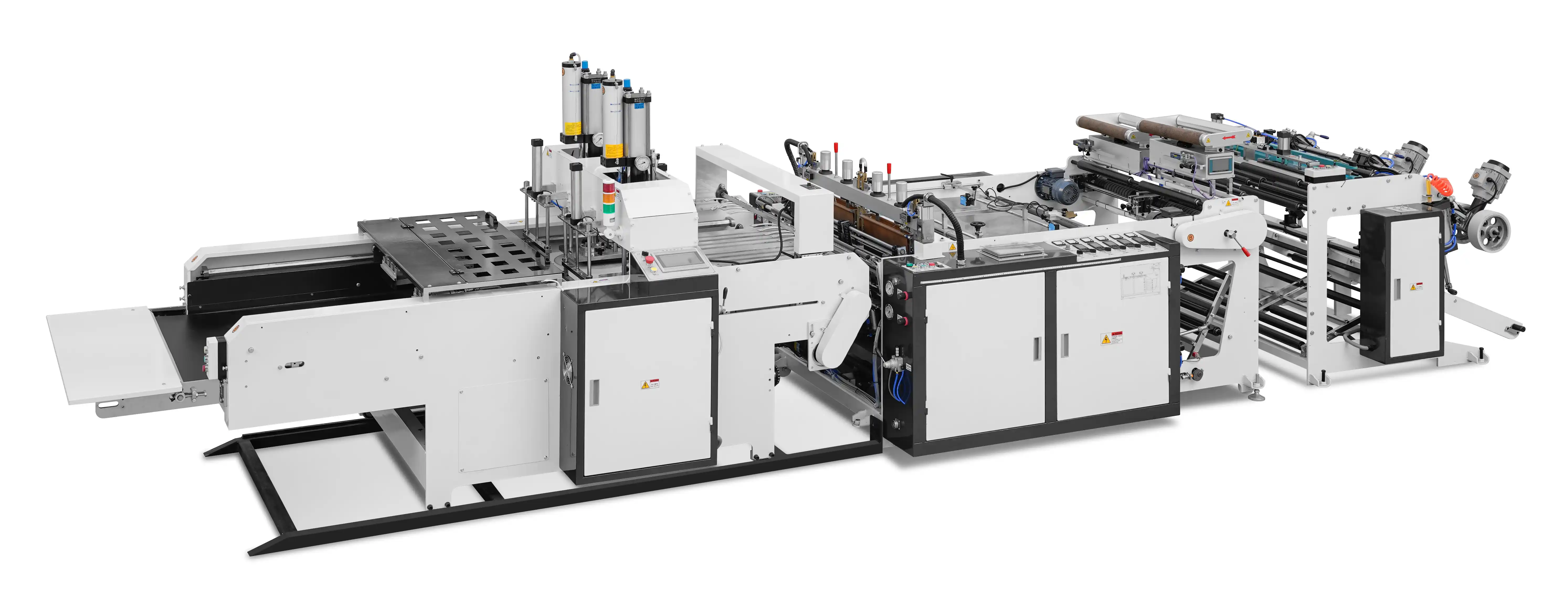
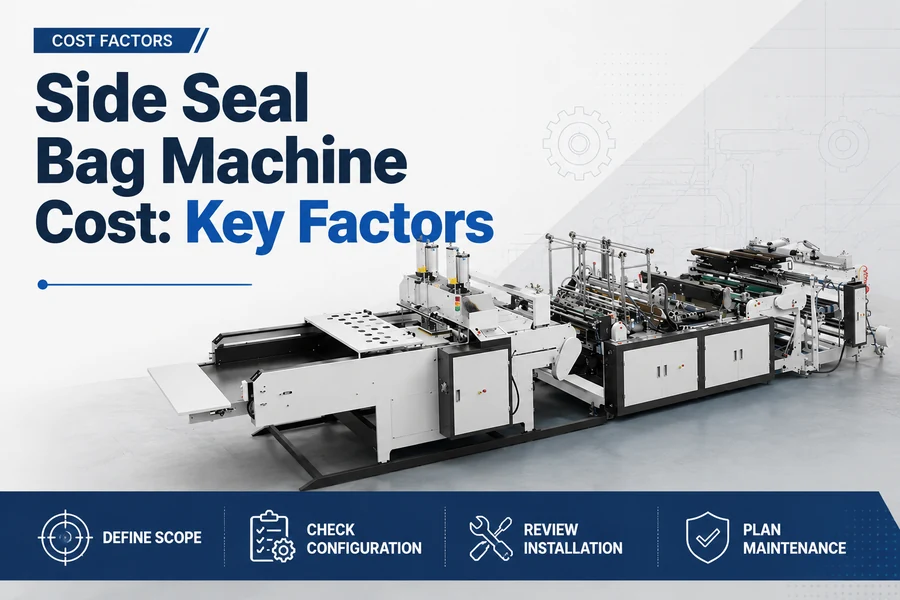
The price of a side seal bag machine is primarily driven by automation level, production speed, maximum film width, sealing technology, and customization for bag style or material. These variables interact, so a higher-speed, fully automated machine with servo drives commands a higher investment than a basic semi-automatic unit.
When evaluating suppliers, break down these cost components to ensure comparability across quotes. Below are the key variables to specify in your RFQ:
- Automation level: Fully automatic lines with servo-driven film unwind, automatic tension control, and PLC-based operation add cost but reduce labor and increase consistency. Semi-automatic machines reduce initial expense but require more operator intervention.
- Production speed: Rated in bags per minute (e.g., 60–200 bpm). Higher speed requires more robust mechanical drives, servo systems, and faster heat sealing/cooling cycles, raising machine cost.
- Maximum film width: Wider film capability (e.g., 600–1200 mm) increases frame size, roller width, and sealing bar length, proportionally increasing material and machining costs.
- Sealing technology: Hot bar and flying knife are the two main approaches. Their cost implications are detailed in the next section.
- Customization: Bag length range, gusset attachment, hole punching, wicketer, or easy-tear options add engineering and component costs. Clearly define required options in your RFQ to avoid surprises.
For example, a machine configured for wide-format courier pouches with servo-driven flying knife sealing will have a higher base price than a narrow, hot-bar machine for simple flat bags.
How does flying knife vs hot bar affect cost?
Flying knife sealing typically costs more upfront than hot bar due to its continuous-motion mechanism and servo-driven knife carriage. However, it enables faster line speeds and can reduce per-unit cost over time for high-volume runs.
The choice between these two technologies directly affects both initial machine investment and operating cost. The following table summarizes the trade-offs. For a broader comparison of sealing methods, refer to the Bottom Sealing vs Side Sealing Bag Machine: A Guide.
| Parameter | Flying knife | Hot bar |
|---|---|---|
| Initial machine cost | Higher – servo system, hardened blade, precision guide rails | Lower – fixed heating bar, simpler pneumatics |
| Production speed potential | Up to 200+ bpm (continuous motion) | Typical 60–120 bpm (intermittent motion) |
| Maintenance cost | Higher – knife sharpening/replacement, servo alignment | Lower – heating element replacement, simpler wear parts |
| Energy consumption | Similar per bag when running at rated speed | Slightly higher per bag due to repeated heating cycles |
| Scrap rate sensitivity | Lower – minimal film stop/start | Higher – stop motion can cause seal wrinkles |
In a typical scenario for high-volume production of simple side seal bags such as courier pouches, the flying knife can offer a lower total cost per thousand bags despite higher initial investment. For lower-volume or multi-style runs, hot bar provides a lower entry cost and greater changeover flexibility.
What is the total cost of ownership for a side seal bag machine?
Total cost of ownership (TCO) includes initial purchase, installation, energy consumption, scheduled maintenance, spare parts, and operator training. Over a typical machine life, operating costs often exceed the purchase price, making it essential to evaluate long-term expenses.
Key TCO components to request from suppliers:
- Energy consumption: kWh per thousand bags. Ask for measurements at typical operating speeds and film thicknesses.
- Maintenance schedule: Frequency of seal bar/knife replacement, belt changes, lubrication intervals. Request a recommended parts list with estimated lifecycle.
- Spare parts cost: Common wear items like sealing wires, knife blades, heating elements, and sensors.
- Operator training: Hours required for basic and advanced operation. Inadequate training increases scrap and downtime.
- Changeover time: Minutes required to switch bag width, length, or film type. Faster changeovers reduce lost production.
For example, a machine that requires weekly knife adjustments will have higher labor cost than one with automated blade alignment. Requesting historical maintenance data from the supplier can help you estimate these expenses.
How to build a cost-based RFQ for side seal bag machines
To get comparable quotes, structure your RFQ around the cost drivers discussed. Include mandatory technical parameters and request a TCO breakdown.
Step 1: Define production requirements
Specify bag dimensions, film material and thickness, desired speed range, and shift pattern. These determine machine size and complexity.
Step 2: Request detailed pricing
Ask for separate line items: base machine, sealing system type, automation package, installation, training, and first-year spare parts kit.
Step 3: Obtain operating cost data
Request energy consumption per 1000 bags, recommended maintenance intervals, and spare parts lifecycle. Compare across suppliers to gauge long-term cost.
Step 4: Include factory acceptance test (FAT)
Add a clause for witnessed performance testing at rated speed and material. This confirms the machine meets specifications before shipment.
For additional RFQ items applicable across bag machine types, see the Plastic Bag Making Machine Cost: Procurement Checklist. To explore machine options that match your requirements, review the side sealing bag making machines product range.
FAQ
Does film type affect side seal bag machine cost?
Yes. Machines designed for biodegradable films often require lower temperature ranges and corrosion-resistant materials, which can add to the base cost. Standard HDPE/LDPE machines are more common and typically less expensive.
How does machine width affect cost?
Wider machines require larger frames, rollers, and sealing bars. As a general rule, increasing the maximum film width raises the machine cost proportionally due to more material and machining.
Should I prioritize speed or flexibility in my cost decision?
If your production runs are long and dedicated to one bag size, prioritize speed. For frequent size changes, invest in a machine with servo-driven adjustability and faster changeover, which may have a lower TCO despite higher initial cost.
Conclusion: Making an informed cost decision
Side seal bag making machine cost is determined by automation level, speed, sealing technology, and customization. By breaking down these factors and requesting both upfront and operating cost data from suppliers, you can compare true long-term value. Use a structured RFQ, validate performance through a factory acceptance test, and consider TCO rather than initial price alone. For a full product range, explore the side seal bag making machine catalog to match specifications to your production needs.