EN
EN
 ES
ES
 AR
AR


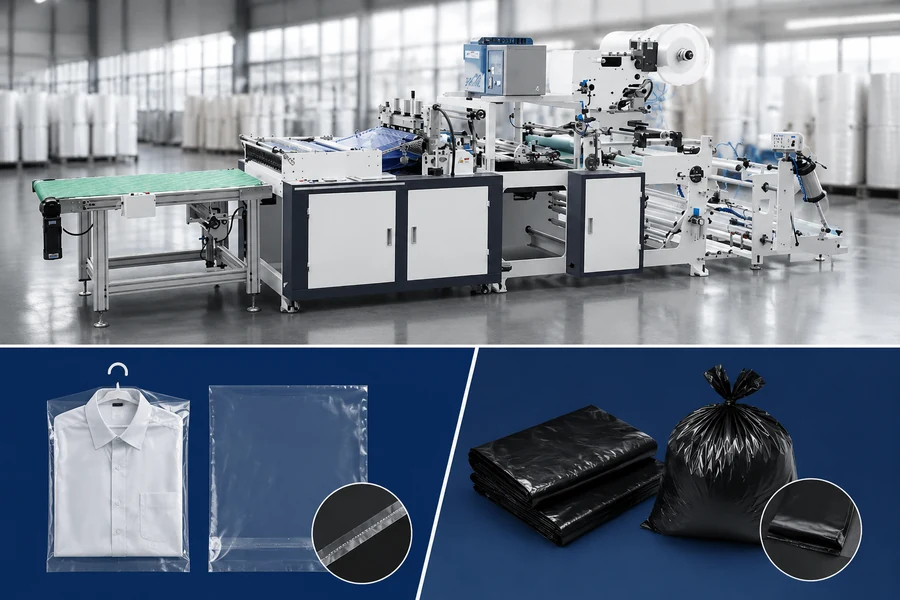
Article Overview: This article compares side seal and bottom seal bag making machines on seal mechanism, suitable bag types (garment wicket bags vs flat bags), and production efficiency. It helps CTOs and procurement teams decide which technology fits their product mix based on seal geometry and throughput requirements.
What are the key differences between side seal and bottom seal bag machines?
Side seal machines create seals parallel to the film travel, producing bags with seals on two edges; bottom seal machines create a seal perpendicular to film travel, resulting in a single bottom seal. The choice affects bag geometry, seal strength, and production speed.
The fundamental difference lies in sealing orientation relative to the film web. In side seal machines, the film is folded and sealed along the sides, typically producing gusseted or flat bags. Bottom seal machines seal across the film width, creating a continuous tube cut to length. This dictates which bag styles are feasible.
Side seal machines are ideal for bags requiring side gussets, such as T-shirt bags and garment bags. Bottom seal machines excel at flat bags like garbage bags, produce bags, and wicket bags where the bottom seal must be strong and uniform.
Production speed varies: side seal machines often operate at higher line speeds for certain bag types, while bottom seal machines offer consistent sealing for high-volume flat bag production. The table below summarizes key specification differences.
Key specification comparison
| Criterion | Side Seal Machine | Bottom Seal Machine |
|---|---|---|
| Seal orientation | Parallel to film travel (side edges) | Perpendicular to film travel (bottom edge) |
| Typical bag types | T-shirt bags, garment bags, side-gusseted bags | Flat garbage bags, produce bags, wicket bags |
| Seal strength | Good; may vary with gusset design | Generally uniform across width |
| Production speed | Varies by configuration; up to 120 bags/min for simple designs (example) | Typically 80-150 bags/min depending on film thickness (example) |
| Film compatibility | PE, PP, OPP, BOPP | PE, PP, biodegradable films |
| Typical applications | Retail shopping bags, garment packaging | Waste bags, industrial packaging, food packaging |
Which seal type is better for garment wicket bags?

Bottom seal machines are generally preferred for garment wicket bags because they produce a strong, uniform bottom seal that withstands hanging stress, and wicket hole punching integrates seamlessly into the process.
Garment wicket bags require a secure bottom seal to hold clothing weight during hanging. Bottom seal machines create a continuous seal across the entire width, ensuring consistent strength. Side seal machines can also produce wicket bags but may require additional folding steps, and the seal is on the side, which may not be optimal for hanging loads.
For garment bags with a wicket (hanger hole), the bag is typically formed with a bottom seal and a top opening. The bottom seal must be leak-proof and tear-resistant. Bottom seal machines offer precise temperature and pressure control, resulting in reliable seals. Side seal machines, while capable, may introduce more variability due to side gusset geometry.
If your primary product is garment wicket bags, a bottom seal machine is a suitable choice. For a mix of garment and shopping bags, consider a side seal machine with additional bottom sealing capabilities or a dedicated line.
Can a bottom seal machine produce flat garbage bags efficiently?
Yes, bottom seal machines are the standard choice for efficient production of flat garbage bags, offering high-speed output, consistent seal quality, and the ability to handle various film thicknesses used in waste bags.
Bottom seal machines are specifically designed for flat bag production. They can produce bags at speeds exceeding 100 bags per minute for thin films (e.g., 10-20 microns) typical of household garbage bags (example). The sealing mechanism applies uniform heat and pressure across the bag width, resulting in strong seals that resist bursting.
Key considerations for efficiency:
- Film unwind and tension control: Proper tension ensures consistent bag length and seal position.
- Sealing temperature profile: Must be optimized for the film material (e.g., LDPE, LLDPE, HDPE).
- Perforation and cutting: Bottom seal machines can integrate perforation for tear-off bags or individual cut-off.
- Waste reduction: Automated edge trimming and scrap removal improve yield.
For flat garbage bags, a bottom seal machine is an efficient solution. Side seal machines are rarely used for this application due to the need for side gussets, which add complexity and material waste.
Decision framework: Side seal vs bottom seal
Use the following comparison blocks to evaluate which machine type aligns with your production requirements.
Bag geometry and seal location
Side seal: Produces bags with seals on two sides; ideal for gusseted bags (T-shirt, garment). The open top can be hemmed or cut.
Bottom seal: Produces bags with a single bottom seal; the top is open. Best for flat bags (garbage, produce, wicket).
Buyer note: If your product line is primarily gusseted bags, side seal is the natural fit. For flat bags, bottom seal offers simplicity and speed.
Seal strength requirements
Side seal: Seal strength depends on gusset design and film orientation. May be weaker at the gusset fold.
Bottom seal: Uniform seal across entire width; generally stronger for heavy loads (e.g., garbage bags).
Buyer note: For bags that must hold weight (e.g., garment wicket bags, heavy-duty garbage bags), bottom seal provides more consistent strength.
Production volume and speed
Side seal: Can achieve high speeds for simple T-shirt bags (example: up to 120+ bags/min). Speed may drop for complex gussets.
Bottom seal: Typically 80-150 bags/min for flat bags (example); speed depends on film thickness and bag length.
Buyer note: For high-volume flat bag production, bottom seal machines offer a good balance of speed and reliability. Side seal machines are preferred for high-volume T-shirt bags.
Film material compatibility
Side seal: Works with PE, PP, OPP, BOPP. Some machines can handle laminated films.
Bottom seal: Works with PE, PP, biodegradable films. Sealing parameters need adjustment for each material.
Buyer note: Both can handle common polyolefins. If you use specialty films (e.g., high-barrier laminates), verify compatibility with the machine manufacturer.
Operating implications and buyer-side risk
Beyond the machine type, consider the following operational factors that affect total cost of ownership:
- Changeover time: Switching between bag sizes or film types can take 15-30 minutes. Bottom seal machines often have simpler changeovers for flat bags.
- Maintenance: Side seal machines have more moving parts (folding boards, side seal bars) which may require more frequent adjustments.
- Material waste: Side seal machines may produce more edge trim waste; bottom seal machines typically have less waste due to continuous tube formation.
- Operator skill: Bottom seal machines are generally easier to operate for flat bag production; side seal machines require more experienced operators for gusset alignment.
To mitigate sourcing risks, request a trial run with your specific film and bag design before purchasing. Ask the manufacturer for documented seal strength test results (e.g., ASTM F88) and throughput data under your operating conditions.
FAQ
Can a side seal machine produce flat garbage bags?
It is not typical. Side seal machines are designed for gusseted bags; producing flat garbage bags would require additional folding and sealing steps, reducing efficiency. Bottom seal machines are the standard for flat bags.
Which machine type is more energy-efficient?
Energy consumption depends on machine design and production speed. Bottom seal machines often have fewer heating zones (one seal bar) compared to side seal machines (two side seal bars), potentially using less energy per bag. Validate with manufacturer specifications.
What film thickness range is suitable for each machine?
Side seal machines typically handle 10-100 microns; bottom seal machines can handle 10-150 microns. For very thick films (>100 microns), bottom seal machines with heavy-duty sealing bars are recommended.
How do I decide between a side seal and bottom seal machine for a mixed product line?
If your product mix is more than 70% one type, choose the machine optimized for that type. For a balanced mix, consider investing in two dedicated lines or a flexible machine with interchangeable sealing modules. Contact the manufacturer for guidance.
Conclusion: Matching machine type to your bag portfolio
The decision between side seal and bottom seal bag making machines hinges on your primary bag geometry and seal strength requirements. Side seal machines are the right choice for gusseted bags such as T-shirt and garment bags, offering high speed and versatility for retail packaging. Bottom seal machines excel at producing flat bags like garbage bags, produce bags, and wicket bags, providing uniform seal strength and efficient production.
Evaluate your current product mix and future growth plans. If you produce both types, consider the volume split and whether a flexible machine or separate dedicated lines offer better ROI. For garment wicket bags, a bottom seal machine delivers the required seal strength. For flat garbage bags, bottom seal machines are the proven, efficient solution.
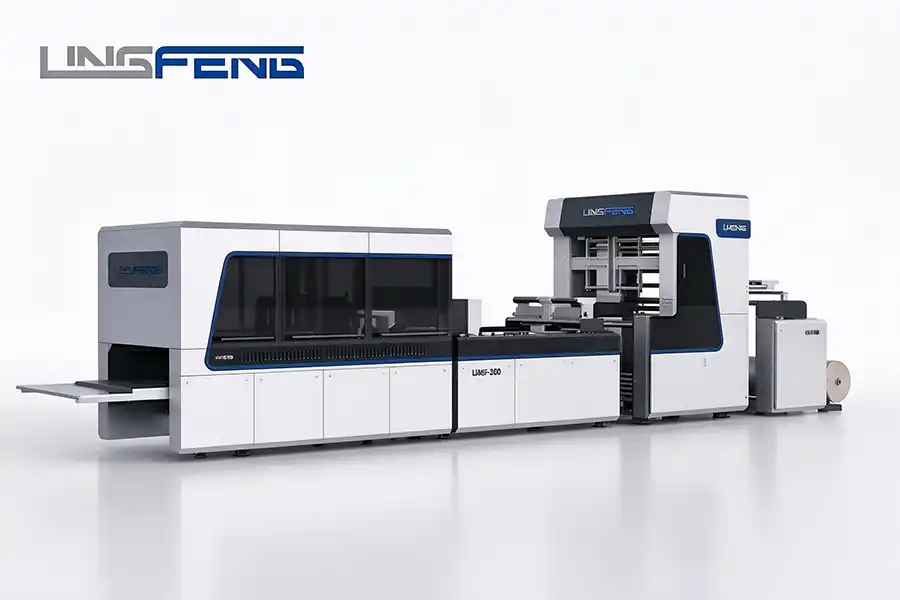
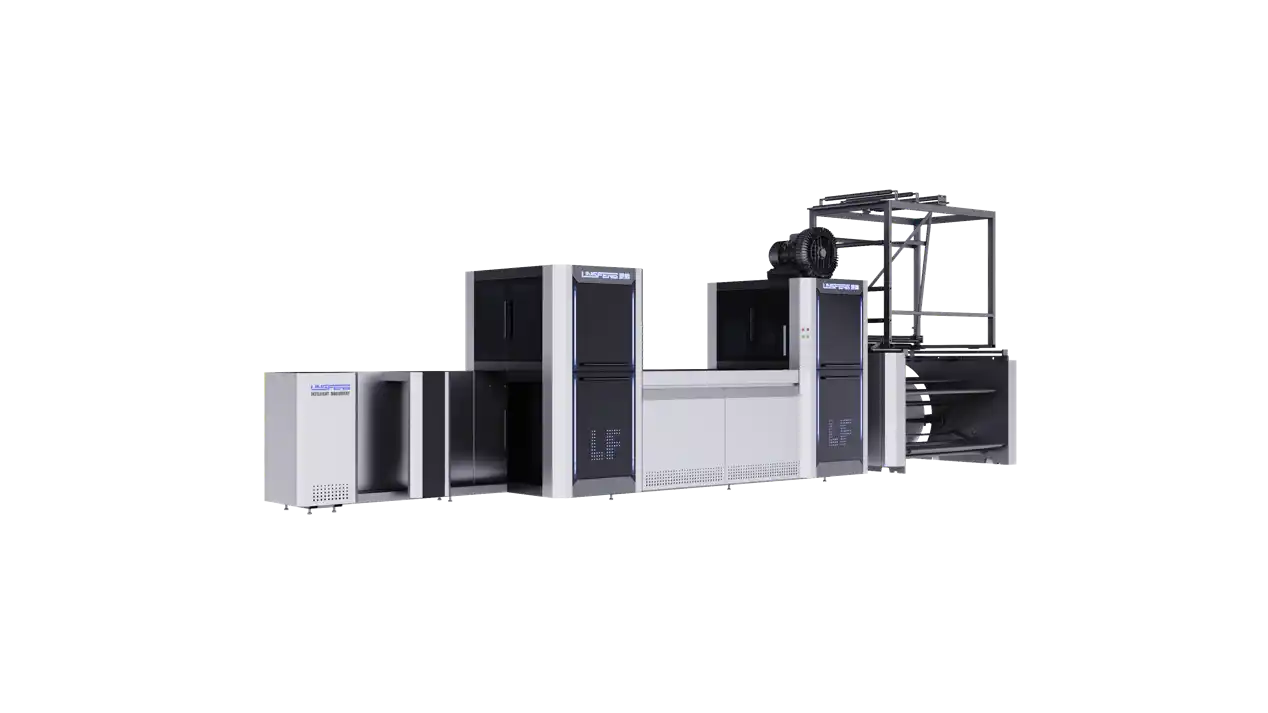
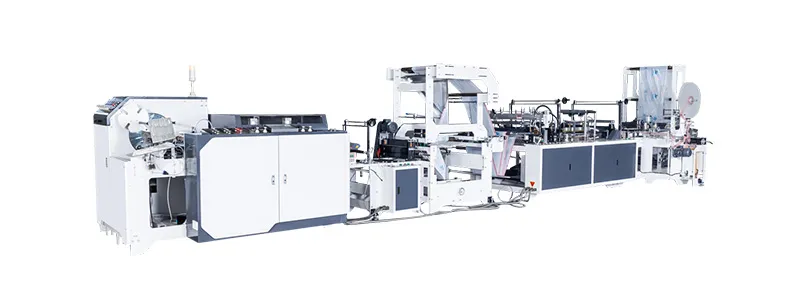
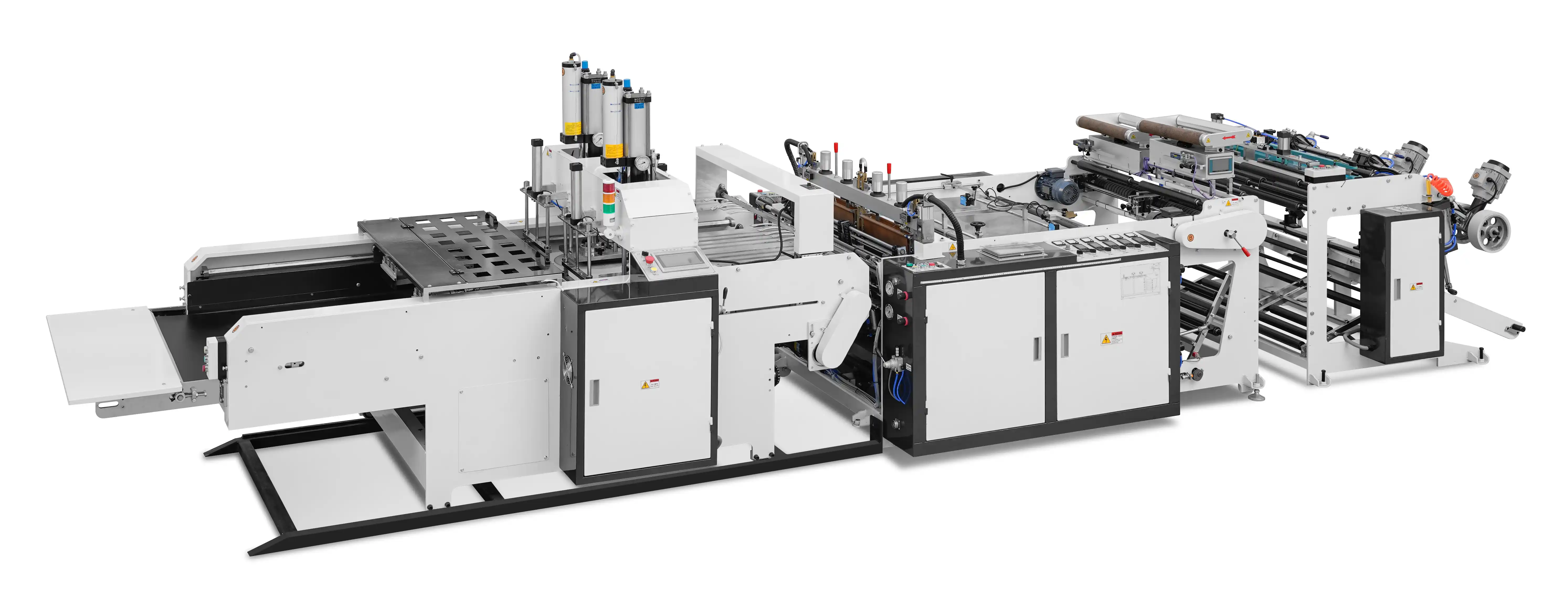
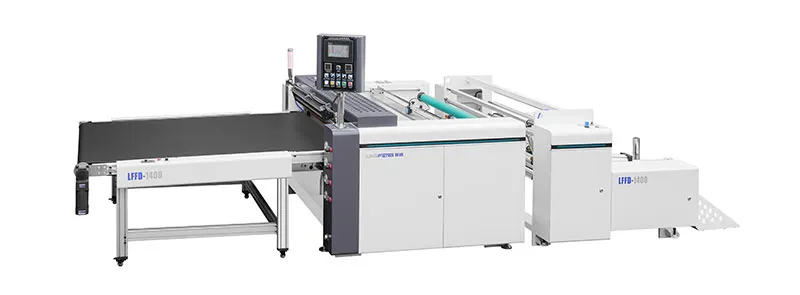
To explore specific models, review the Lingfeng bottom sealing bag machine range for flat bag production, or the Lingfeng side sealing bag machines for gusseted bag applications. Request a technical consultation to match machine specifications to your film type and production targets.