EN
EN
 ES
ES
 AR
AR


Article Overview: This guide helps procurement managers and sourcing teams evaluate top plastic bag making machine manufacturers. It covers supplier fit, RFQ preparation, key validation checkpoints, and common pitfalls. Designed to reduce procurement risk and improve equipment selection outcomes.
What Should You Look for in a Plastic Bag Making Machine Manufacturer?
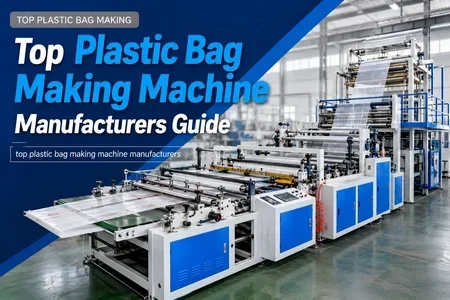

When evaluating suppliers, focus on production capability, technology maturity, and after-sales support. The best top plastic bag making machine manufacturers combine robust engineering with responsive service networks. Below are essential criteria to include in your assessment:
Step 1: Define Your Production Requirements
Document bag dimensions, material type (HDPE, LDPE, biodegradable film), output speed (bags per minute), and sealing method. This baseline filters manufacturers who cannot meet your technical specs.
Step 2: Validate Manufacturing Experience
Review the manufacturer’s track record in producing plastic bag making machines for similar applications. Request case studies or references in your industry (e.g., retail carrier bags, medical waste bags, or produce packaging).
Additional key factors include:
- Certifications: ISO 9001, CE marking, or other regional compliance marks.
- Customization flexibility: Ability to modify sealing width, unwind stand, or control system.
- Spare parts availability: Lead time for critical components like servo motors or heating elements.
- Warranty terms: Coverage period and conditions for on-site support.
How to Shortlist Top Plastic Bag Making Machine Manufacturers
Not all manufacturers suit every buyer. Create a shortlist based on your production scale and budget tier. For high-volume operations, look for manufacturers with automated servo-driven lines; for lower volumes, semi-automatic models may suffice. Below is a structured approach:
- Search globally for reputable names: include both established European/Japanese brands and emerging Asian manufacturers known for value.
- Visit trade platforms (e.g., industry fairs, B2B portals) to compare specifications directly.
- Request detailed quotations from at least three manufacturers with full technical breakdowns.
- Conduct remote or onsite factory audits to verify production capacity and quality control processes.
Many buyers find that mid-range suppliers from Asia offer a balanced trade-off between cost and performance. However, always verify references and request sample production runs before committing.
Key Validation Checkpoints Before Purchase
Before signing a contract, confirm the following with your chosen manufacturer:
Compare Options: Full Turnkey vs. Build-to-Order
Option A: Full turnkey solution – Manufacturer provides complete line, installation, and training. Higher upfront cost, lower integration risk.
Option B: Build-to-order machine – You specify exact components (e.g., unwind stand, bag folder). Lower capital outlay but requires stronger in-house engineering support.
Buyer note: Most procurement teams prefer Option A when entering new markets or scaling production quickly.
- Machine reliability: Ask for mean time between failures (MTBF) data and customer uptime records.
- Energy consumption: Compare power usage per 1,000 bags produced; this impacts long-term operational costs.
- Training and documentation: Ensure manuals and training sessions are available in your language.
- Service response times: Clarify average response for remote troubleshooting and onsite visits.
What Are the Common Procurement Mistakes When Selecting a Supplier?
Procurement teams often underestimate workflow integration costs or overlook after-sales support. Common errors include:
- Focusing solely on purchase price without factoring lifecycle maintenance.
- Ignoring local voltage or air pressure requirements that affect installation.
- Not testing the machine with the exact film material you plan to use.
- Failing to negotiate spare parts pricing and availability upfront.
How to Structure Your RFQ for Best Results
A well-written RFQ attracts competitive bids from top plastic bag making machine manufacturers. Include these sections:
- Project background and production target (bags per day, shift pattern).
- Technical specifications: bag sizes, thickness range, printing requirements, sealing type.
- Required certifications and quality standards.
- Delivery timeline and payment terms (e.g., L/C or T/T).
- After-sales support scope: installation supervision, training hours, warranty period.
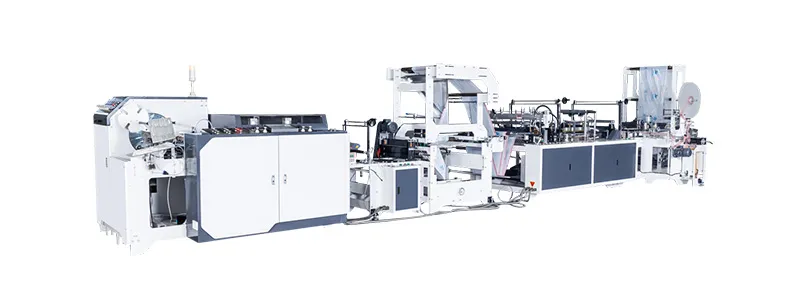
For example, a typical RFQ for a medium-speed side-sealing plastic bag making machine might specify an output of 150 bags per minute, max film width of 800 mm, and servo-driven sealing assembly. Use concrete numbers to avoid ambiguous quotes.
FAQ
How long does it take to receive a plastic bag making machine from a top manufacturer?
Lead times vary from 60 to 120 days depending on customization level and factory load. Always confirm current lead times during RFQ stage and negotiate a penalty clause for late delivery if critical.
What is the typical warranty for a plastic bag making machine?
Standard warranties range from one to three years. Ensure the warranty covers major components like the servo motor, control board, and sealing jaws. Spare parts availability should also be guaranteed for at least five years.
How can I verify the quality of a manufacturer before purchase?
Request a factory audit (virtual or onsite), ask for customer references from your region, and inspect sample machines at trade shows. Also check online reviews on B2B platforms and industry forums.
Should I buy from a global brand or a specialized Asian manufacturer?
Global brands offer proven reliability and service networks but at higher cost. Specialized Asian manufacturers often provide better value and customization flexibility, especially if you are already sourcing other equipment from the region. Evaluate based on your risk tolerance and support needs.
What are the most common bag types produced with these machines?
T-shirt bags, bottom-seal bags, side-seal bags, bags on a roll, drawstring bags, and garbage bags are the most common. Choose a manufacturer whose machine portfolio aligns with your primary product line.
Conclusion
Selecting among top plastic bag making machine manufacturers requires a structured evaluation of technical fit, supplier reliability, and total cost of ownership. Use the checkpoints and RFQ guidance in this article to reduce procurement mistakes and secure a machine that meets your production goals. For a closer look at machine specifications and customization options, explore our range of plastic bag making machine solutions or contact our sales team to discuss your specific requirements.