EN
EN
 ES
ES
 AR
AR


Article Overview: Selecting the right plastic bag making machine manufacturer is a critical procurement decision that affects production quality, cost, and delivery timelines. This guide provides a step-by-step evaluation framework for procurement managers, sourcing teams, and project engineers to reduce risk and make informed supplier choices. The article covers key verification criteria, technical specifications, capacity assessment, and practical RFQ preparation.
Why Supplier Evaluation Matters for Plastic Bag Making Machines
Investing in plastic bag making equipment involves significant capital expenditure and long-term operational commitments. A poorly chosen supplier can lead to machine downtime, inconsistent output, and higher maintenance costs. Procurement teams must move beyond price comparisons and systematically evaluate potential partners on technical capability, compliance, and after-sales support.
When you work with a reputable plastic bag making machine manufacturer, you gain access to reliable machinery, documented quality processes, and responsive service. The checklist below helps you avoid common pitfalls such as receiving machines that underperform against specifications or lack necessary certifications.
Phase 1: Define Your Production Requirements
Action: Document bag types (T-shirt, bottom seal, side seal, bags on roll), material types (HDPE, LDPE, biodegradable), output speed (pcs/min), bag dimensions, and sealing style.
Validation: Ensure the manufacturer’s machine portfolio aligns with your specific application. For example, a plastic bag making machine manufacturer with a broad product range can often provide customized solutions.
- Confirm minimum and maximum bag width, length, and thickness.
- Identify required automation features: automatic sealing, perforation, stacking, or winding.
- Check compatibility with biodegradable materials if your market demands EN 13432 or similar standards.
What Should You Verify with a Plastic Bag Making Machine Manufacturer?
Before submitting a formal RFQ, gather evidence on the manufacturer’s credibility and production capabilities. This reduces the risk of engaging with vendors that cannot fulfill large orders or meet quality thresholds.
- Manufacturing Experience: Ask how many years the company has been in the bag-making machinery industry. Longevity often correlates with process stability.
- Export Track Record: Request shipping documents or client references for similar machine configurations shipped to your region.
- Quality Certifications: Look for ISO 9001, CE marking, or other relevant certifications. These indicate adherence to international standards.
- Customer Support Structure: Clarify warranty period, spare parts availability, and remote troubleshooting options.
Step 2: Request a Factory Audit or Video Walkthrough
Action: Schedule a physical or virtual tour of the production facility. If visiting is not feasible, ask for a live video demonstration of the machine model you intend to purchase.
Validation: Observe the manufacturing environment – organization, cleanliness, and safety measures reflect overall quality management. A confident plastic bag making machine manufacturer will willingly show their factory floor.
Key Technical Specifications to Confirm with a Plastic Bag Making Machine Manufacturer
Understand the technical details that directly impact your production efficiency. The quote should specify these parameters clearly – if ambiguous, request clarification before proceeding.
- Machine speed (packs per minute or pieces per hour) at nominal bag dimensions.
- Power consumption and utility requirements (voltage, phase, compressed air).
- Material compatibility: film thickness range and material types (recycled content percentage).
- Intermittent or continuous motion: continuous motion machines offer higher speed but require more precise setup.
- Servo motor versus mechanical drive: servo systems provide greater precision and energy efficiency.
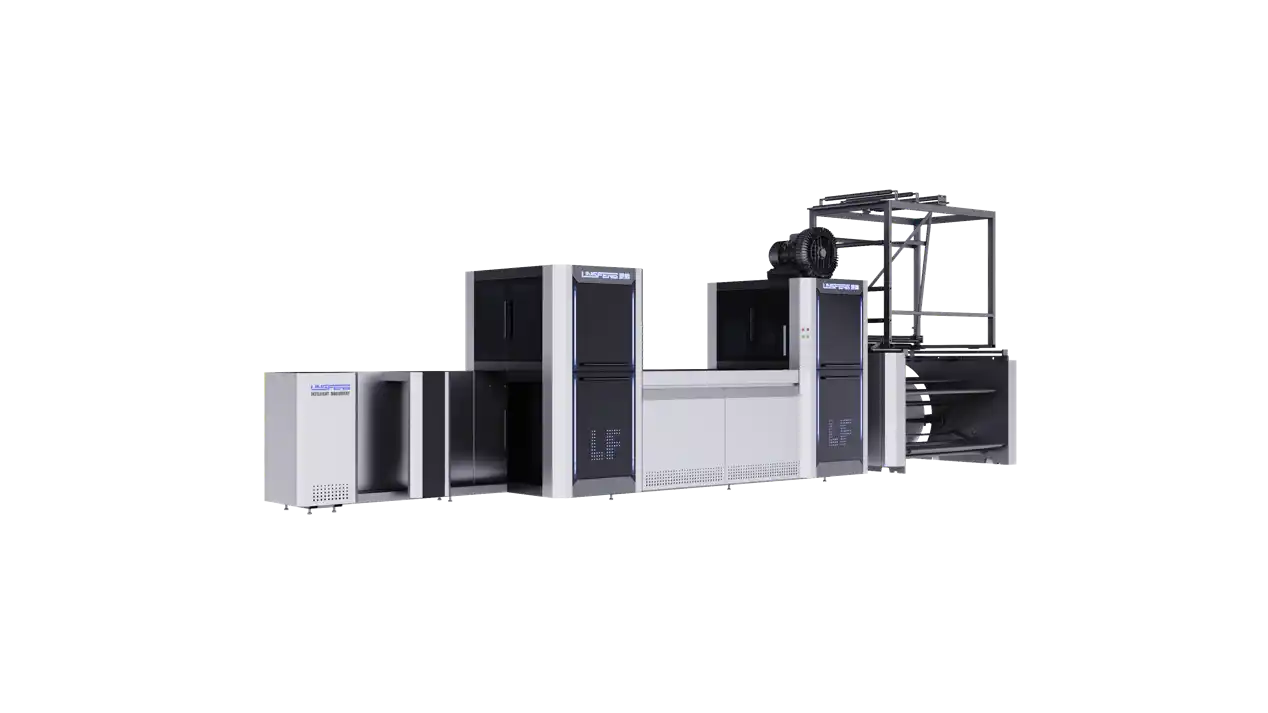
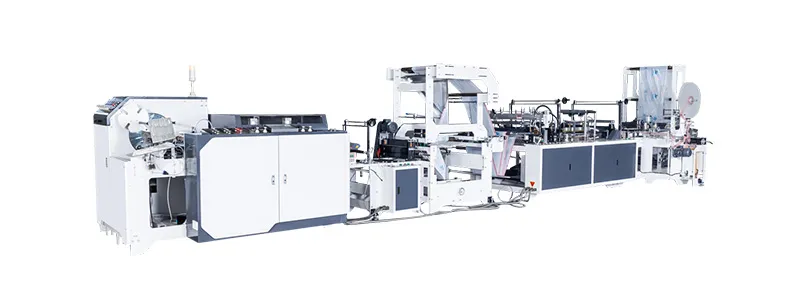
For example, a manufacturer like Lingfeng Machinery offers dedicated machines for bottom sealing, side sealing, and bags-on-roll production, each with customized servo configurations. Always cross-check the supplier’s guarantee against your minimum acceptable output.
How to Assess Production Capacity and Delivery Lead Times
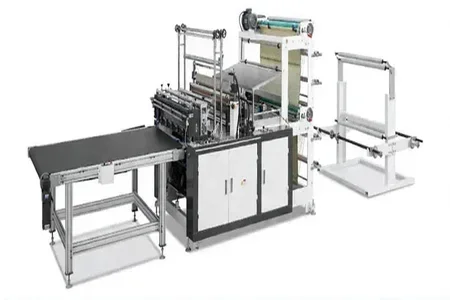
Even the best machine is useless if delivered too late or if the manufacturer cannot scale production to your order volume. In your evaluation, include the following checks.
Step 3: Evaluate Manufacturing Lead Times
Action: Request a typical production schedule from order confirmation to shipment. Ask about current order backlog and how it affects your expected delivery date.
Validation: A plastic bag making machine manufacturer with efficient internal processes will provide a realistic timeline and may offer expedited options for urgent orders.
Also review the supplier’s component sourcing strategy. Many Chinese manufacturers rely on imported European or Japanese servo drives and controllers. Understanding the supply chain helps you anticipate potential delays.
FAQ
What certifications should I look for in a plastic bag making machine manufacturer?
Common certifications include ISO 9001 for quality management, CE marking for European market compliance, and UL certification for electrical safety. If you produce biodegradable bags, verify that the machine manufacturer can provide documentation for EN 13432 or similar standards.
How long does it typically take to receive a plastic bag making machine after ordering?
Lead times vary from 30 to 90 days depending on machine complexity, customization level, and current backlog. Always request a written schedule in the purchase contract.
Can the same machine handle multiple bag types?
Many machines are modular and can be adjusted for different sizes and sealing patterns. However, dedicated machines for specific bag types (e.g., T-shirt bags, bottom-seal bags) usually offer higher efficiency.
Confirm flexibility with the manufacturer before committing.
What after-sales support is typically provided?
Expect a 12–24 month warranty on mechanical parts, remote technical support, and a spare parts catalog. Some manufacturers like Lingfeng Machinery offer on-site commissioning and training for an additional fee.
Conclusion
Choosing a plastic bag making machine manufacturer requires a structured approach that goes beyond price comparison. By defining your production requirements, verifying the supplier’s credentials, and confirming technical specifications, you can significantly reduce procurement risk. Use the checklist and flow steps in this article to guide your evaluation. For further assistance, review the product range and factory background of experienced manufacturers such as Lingfeng Machinery, a plastic bag making machine manufacturer with over 30 years of industry presence.