EN
EN
 ES
ES
 AR
AR


Article Overview: This guide helps procurement managers and sourcing teams navigate the process of starting a plastic bag manufacturing business. It covers initial planning, equipment selection, supplier evaluation, cost analysis, and practical procurement checkpoints to reduce mistakes during RFQ and supplier onboarding.
What Are the Initial Steps to Start a Plastic Bag Manufacturing Business?
Before committing to machinery, decision-makers must clarify their production scope, target bag types, and raw material sourcing. A structured preliminary phase reduces later rework and budget overruns.
Step 1: Define Your Bag Portfolio
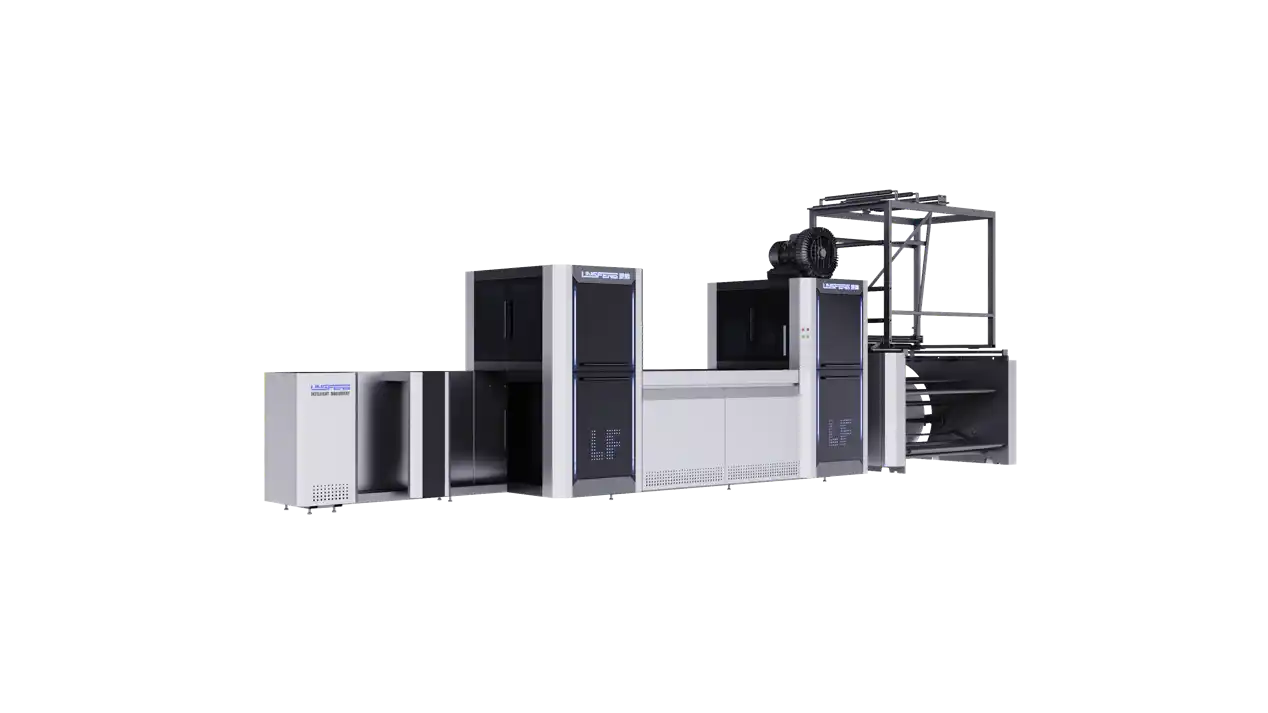
List the plastic bag categories you plan to manufacture: T-shirt bags, bottom-seal bags, bags on roll, side-seal bags, or specialized variants such as biodegradable or heavy-duty garbage bags. Each type requires different machine configurations. For example, bottom-sealing bag making machines are ideal for flat bags, while side-sealing machines suit milk tea or courier bags. Match your product mix to equipment capabilities early.
Step 2: Assess Raw Material Supply
Secure a reliable source of HDPE, LDPE, or recycled plastic pellets. The film extrusion process (often outsourced or integrated) determines film quality. If you plan to buy pre-made film rolls, focus only on the bag-making stage. If you integrate extrusion, factor in extruder systems and additional floor space. Confirm that your chosen plastic bag manufacturing equipment can handle the film gauge and width you intend to use.
After defining the scope, create a shortlist of potential suppliers who offer machinery covering your required bag types. Avoid over-customization in the first purchase; opt for proven standard configurations that can be upgraded later.
How to Select the Right Plastic Bag Manufacturing Equipment?
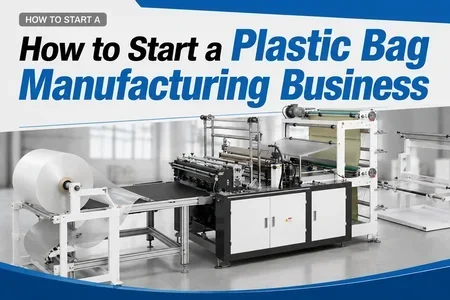
Machinery selection directly affects production efficiency, waste rate, and product quality. Buyers should evaluate technical specifications against their production targets.
Single-Line vs. Multi-Line Systems
Option A: Single-line machine
Lower initial investment, simpler operation, suitable for startups with one main product type. Example: a dedicated bottom-sealing bag making machine for flat bags.
Option B: Multi-line or combined machine
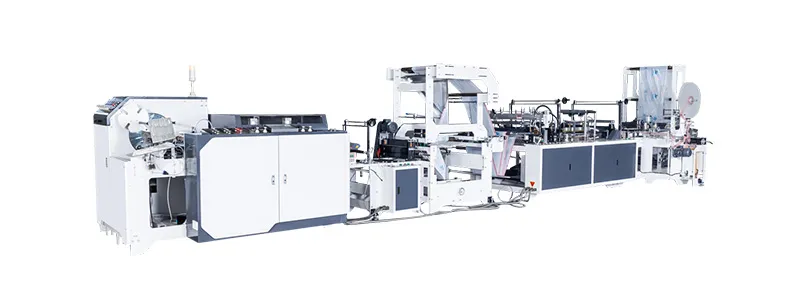
Higher throughput, ability to switch between bag styles (e.g., T-shirt and bags on roll). Higher cost and more operator training required. Recommended when production diversity is critical.
Buyer note: For most new entrants, a single high-speed machine with straightforward changeover parts offers the best balance of cost and flexibility.
Key technical parameters to verify:
- Maximum bag length, width, and thickness range
- Sealing and cutting mechanism (hot knife, cold knife, ultrasonic)
- Speed (bags per minute) and its impact on film tension
- Level of automation (servo motor drives, PLC control, auto counting)
- Power consumption and air pressure requirements
Request a machine specification sheet from shortlisted suppliers and compare line by line. For custom bag designs (e.g., soft loop handles, draw tapes), confirm that the bag making machine solution includes optional attachments without voiding warranty.
Essential Procurement Checklists for Plastic Bag Machinery
To avoid costly procurement mistakes, create a structured RFQ document and validate supplier claims through hands-on verification.
- Define production volume: Calculate daily target in kilograms or bag count. Choose equipment rated at 1.2x your peak demand to allow buffer.
- Check film compatibility: Confirm the machine can process the specific film you source (LLDPE, HDPE, recycled blends, biodegradable materials).
- Review safety features: Guards, emergency stops, CE or UL certifications influence operator safety and regulatory compliance.
- Request a test run: Ask supplier to run your raw material on a similar machine. Observe sealing strength, cut quality, and defect rate.
- Evaluate after-sales support: Spare parts availability, warranty terms, and remote troubleshooting capability reduce downtime risk.
Use a scoring system for each criterion and weight them according to your priorities (e.g., speed vs. flexibility). Do not rely only on brochures; request third-party references or visit existing installations if possible.
Evaluating Suppliers: Key Criteria for B2B Buyers
Choosing a machinery partner is as important as selecting the machine itself. Focus on long-term reliability, not just the initial price.
- Production experience: How many years has the supplier manufactured bag making machines? Look for evidence of continuous improvement.
- Client portfolio: Ask for examples of similar-scale businesses they have equipped. A supplier with references in your target bag category reduces risk.
- Certification and quality: ISO 9001, CE, or other relevant certifications indicate consistent quality management.
- Spare parts and maintenance: What is the lead time for critical spares? Is there a local service engineer? For international buyers, speed of response matters.
- Training and documentation: Does the supplier provide on-site training, manuals, and video support? Operator training often determines first-month productivity.
RFQ Evaluation Step: Compare Quotations on Total Cost of Ownership
Request itemized quotes for machine price, shipping, customs clearance, installation, and first-year maintenance. Calculate total cost per bag produced over three years. A slightly higher-priced machine with lower energy consumption and fewer rejects often yields better ROI. Use a simple spreadsheet to model different scenarios.
Cost Considerations and ROI Analysis
Starting a plastic bag manufacturing business requires capital for machinery, raw materials, workspace, and labor. Outline your break-even point.
Capital expenditure: A new basic bottom-sealing bag making machine can range from $15,000 to $50,000 depending on speed and automation. High-speed side-sealing or multi-line systems can exceed $100,000. Budget 10-15% extra for auxiliary equipment like film unwinders, conveyors, and bag packing tables.
Operating costs: Raw material (30–50% of total cost), electricity, labor, and maintenance. Efficiency improvements of 5% in material waste translate to significant annual savings.
Revenue forecasting: Estimate selling price per bag based on local market rates. Your gross margin will be squeezed if you cannot achieve consistent quality at target speed. Startup phase often operates at 60–70% capacity; plan cash flow accordingly.
Discuss financing options with suppliers; some offer installment plans or partnerships. Keep a reserve of at least three months operating expenses.
FAQ
What is the minimum investment to start a plastic bag manufacturing business?
A small-scale operation with one used bag making machine can start with $20,000–$50,000 excluding workspace and raw materials. New equipment typically requires $30,000–$100,000 for a basic single-line setup.
How do I choose between a T-shirt bag machine and a bottom-sealing bag machine?
Select a T-shirt bag machine if your primary market is retail or grocery stores. Choose a bottom-sealing machine for flat bags, bread bags, or general packaging. Some machines can switch between styles with modular adjustments.
Can I produce biodegradable bags with standard equipment?
Many modern bag making machines can process biodegradable films, but you must confirm compatibility with the supplier. The film’s lower melting point and reduced tensile strength may require modified sealing and cutting parameters.
What certifications should a plastic bag machine have?
Look for CE certification for European markets, or equivalent local standards. ISO 9001 for manufacturing quality is a plus. Safety certifications ensure operator protection and may reduce insurance costs.
Conclusion
Starting a plastic bag manufacturing business requires careful planning, thorough equipment evaluation, and rigorous supplier assessment. Focus on matching production needs with appropriate plastic bag manufacturing equipment, and use structured procurement checklists to avoid common pitfalls. Validate all supplier claims through test runs and references, and model your total cost of ownership before making the final decision. With a methodical approach, you can build a reliable, profitable bag manufacturing operation.