EN
EN
 ES
ES
 AR
AR


Article Overview: This guide helps procurement managers, sourcing teams, and project engineers evaluate Lingfeng Machinery before placing an order for plastic bag making equipment. It translates operating requirements into selection criteria, describes what to verify before ordering, and explains the trade-offs that matter. The core conclusion is that documented product specifications and verified supplier evidence, not brand familiarity, should drive the purchase. Evidence is limited to published machine-type comparisons, RFQ checklists, and typical supplier evaluation guidance.
How Should Buyers Choose Lingfeng Machinery?
Buyers should choose Lingfeng Machinery by first documenting bag style, film resin and thickness, output target, and changeover frequency, then matching those operating requirements to a machine's sealing configuration, line layout, and controls.
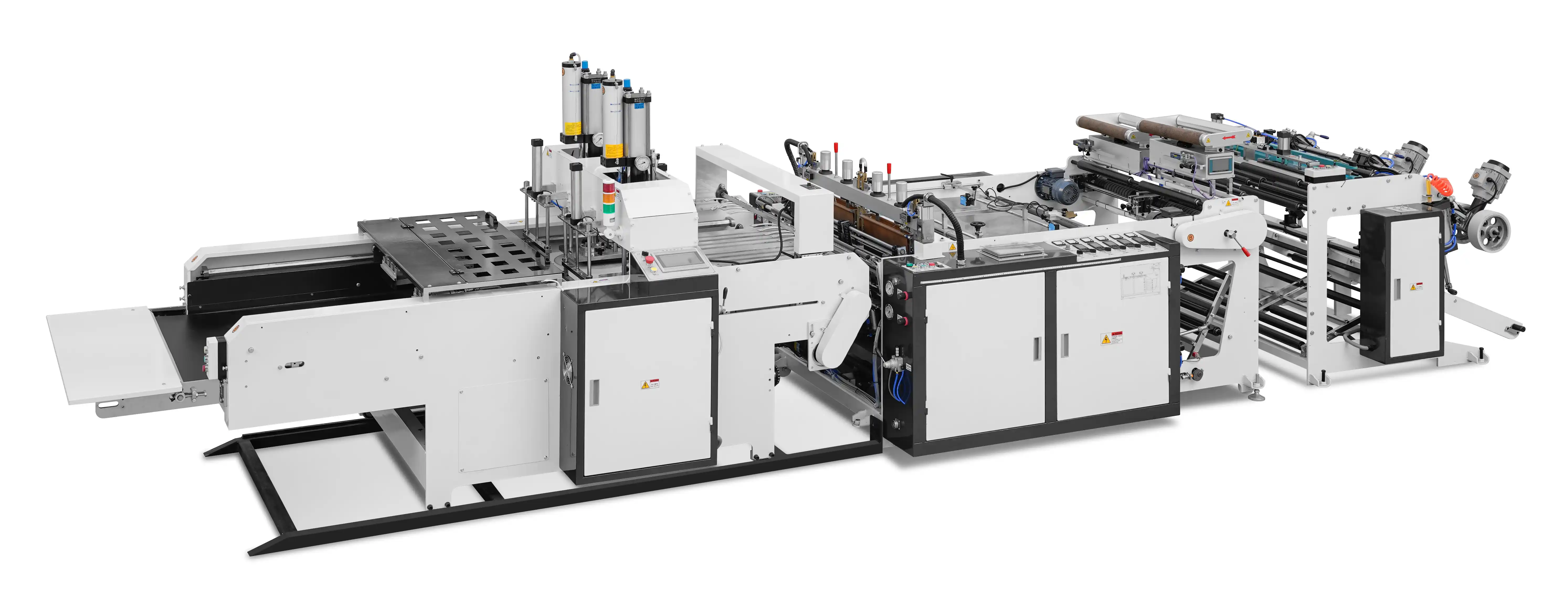
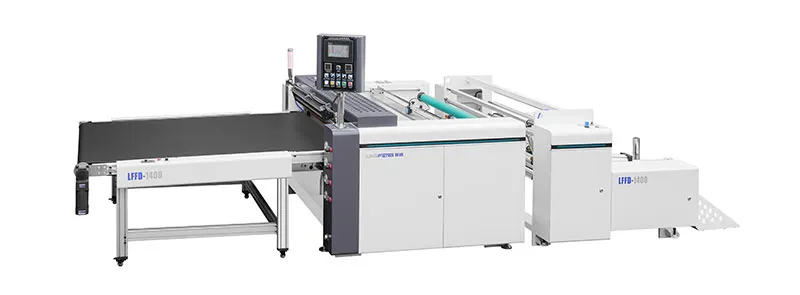
Product family is your first filter. If you produce T-shirt bags, shopping bags, or flat-bottom designs, a bottom-sealing machine is usually the relevant category because the seal is formed across the film path. If you produce pouches, courier mailers, or gusseted bags, inspect side-sealing machines first because the seal runs parallel to the film path and suits a folded web. Write down the bag width and length range, opening style, and gusset depth before you expect suppliers to recommend a configuration.
Film specification is the second filter. HDPE runs with a stiffer film and is common for lightweight bags; LDPE adds softness and tear resistance; PLA/PBAT blends improve compostability but may require different temperature and knife settings. State the resin grades, thickness range, and roll dimensions you expect to run now and in the next two years so the supplier can judge mechanical compatibility rather than guessing.
Finally, set an explicit quality target. Choose the attributes you will measure after installation, such as seal continuity, dimensional consistency, or scrap generated during startup. Those attributes become acceptance tests, not optional observations.
Step 1: Define the product family
Record bag style, opening type, width and length range, and gusset depth if applicable.
Step 2: List film requirements
Specify resins, thickness in microns or mils, allowable thickness tolerance, and roll dimensions.
Step 3: State output and changeover needs
Define bags per shift, expected run length, and how many times per week the line changes size or product.
Step 4: Convert requirements into RFQ fields
Turn the first three steps into numbered questions and require exactly the same format from every supplier.
Apply this written baseline consistently. The guide to choosing a plastic bag making machine manufacturer explains which supplier-level capabilities to check after you have defined the product requirements.
What Should Buyers Verify Before Ordering Lingfeng Machinery?
Buyers should verify that the quoted machine matches the required sealing orientation and film range, that output claims state their test conditions, and that service, training, and spare part commitments are written into the order.
Configuration is the first acceptance check. For a bottom-sealing line, confirm whether the supplier proposes a hot bar or flying knife sealing system and how film tension is controlled. For a side-sealing line, identify the hot-air or hot-knife method and how folded film is registered before sealing. A line drawing from unwind to stacking or winding lets you trace the film path and question any step that is missing.
Output claims need a reference condition. Ask whether the stated bags-per-minute figure comes from single-line or double-line operation and which bag size, film grade, and thickness produced that result. If every quotation is expressed against its own unstated test, the numbers are not comparable. Require the same reference fields in every proposal and restate them in the acceptance protocol.
Service scope is part of the machine definition. Confirm who commissions the line, how many operators are trained, what spare parts are included for the first year, and how remote technical support is contacted. These items determine how quickly an unplanned stop becomes a lost shift.
Before purchase, ask for a material test on the exact film you will run or for a filmed reference of a similar application. If your material is new, ship samples to the supplier and specify the pass-fail condition before the order. A bag making machine procurement checklist can turn these checks into required RFQ fields so no supplier responds in a different format.
Which Lingfeng Machinery Trade-Offs Matter Most?
The trade-offs that matter most are seal orientation, throughput per floor area, and film compatibility. The right balance depends on your bag mix, run sizes, and shift utilization, so no single configuration is right for every buyer.
Use a mapping table to keep the comparison objective. Fill in your own targets in each row before you read quotations.
| Operating decision | Question to answer first | RFQ field to request |
|---|---|---|
| Bag style | Will the line run T-shirt, flat, pouch, or gusseted bags? | Bag type, width and length range, gusset depth if used, and opening style |
| Film specification | Which resins and thickness range must the machine handle? | Resin family, thickness in microns or mils, tolerance, and source roll width |
| Output requirement | What output per shift is required and for which bag size? | Bags per minute or hour, lane count, and reference bag dimensions used for the rating |
| Changeover burden | How often will size or product changeovers interrupt the run? | Changeover time, tooling adjustments, and operator steps required |
| Support scope | What must be ready before the first production run? | Installation, training, first-year spare parts, and response-time commitments |
This table does not rank machine options. It creates a common structure so that trade-offs are evaluated against the same data. Once the table is filled, study how the trade-offs interact.
Seal orientation
Bottom sealing creates a transverse seal and is common for flat bags and T-shirt styles. Side sealing creates a vertical seal and is used for pouches, mailers, and gusseted bags. The two geometries require different film paths and sealing stations, so mixing both product families usually means planning for changeover or purchasing separate equipment.
Line capacity
Single-line equipment is simpler to set up and represents a lower initial commitment. Double-line equipment processes two lanes and can increase output without a proportional increase in floor area, but it requires more coordinated controls and more operator knowledge. Choose based on volume predictability rather than the highest speed number.
Material compatibility
HDPE, LDPE, and PLA/PBAT blends behave differently at the sealing station. A machine tuned for one resin may need a different temperature range, blade profile, or dwell setting for another. Verify the proposed temperature range, blade options, and adjustment flexibility against the film grades you expect to run in the next two years.
When the trade-offs conflict, use a weighted decision matrix. Weight output volume, changeover speed, film range, maintenance access, and service availability according to your own plan. Score every proposal against that matrix before visiting or negotiating. The comparison exercise is more reliable than relying on the supplier with the most persuasive presentation.
For a closer look at geometry, read the bottom sealing vs side sealing bag machine comparison before you finalize the request for quotation.
FAQ
If I cannot visit the factory, what can I verify remotely?
Ask for a documented reference that matches your bag size, film type, and output claim. Request a live or recorded run of a comparable product, then confirm spare part availability, commissioning schedule, and training plan in writing. Remote verification works when every requirement has been itemized in the RFQ and the supplier accepts those items as acceptance conditions.
Should I compare equipment only on purchase price?
No. Include achievable output under stated test conditions, changeover time, expected maintenance, operator training needs, and supplier response. These factors vary by configuration and local conditions, so no universal number is used here. Build a project-specific total cost estimate with your expected operating assumptions before making a final decision.
Can one machine handle both side-sealing and bottom-sealing products?
Only if the machine is designed for interchangeable sealing stations and the supplier provides a documented changeover procedure. The two orientations use different film paths and sealing geometry, so a general statement is not enough. If your product mix includes both, calculate whether changeover time and tooling costs offset the benefit of a single machine.
Conclusion
Choosing Lingfeng Machinery starts with a written specification and ends with verified evidence. Document the product family, film range, output target, and changeover requirements first. Verify the proposed configuration, output reference conditions, and service scope before ordering. Compare seal orientation, line capacity, and film compatibility through a weighted decision matrix, and confirm the final choice against supplier documentation and contractual acceptance terms.