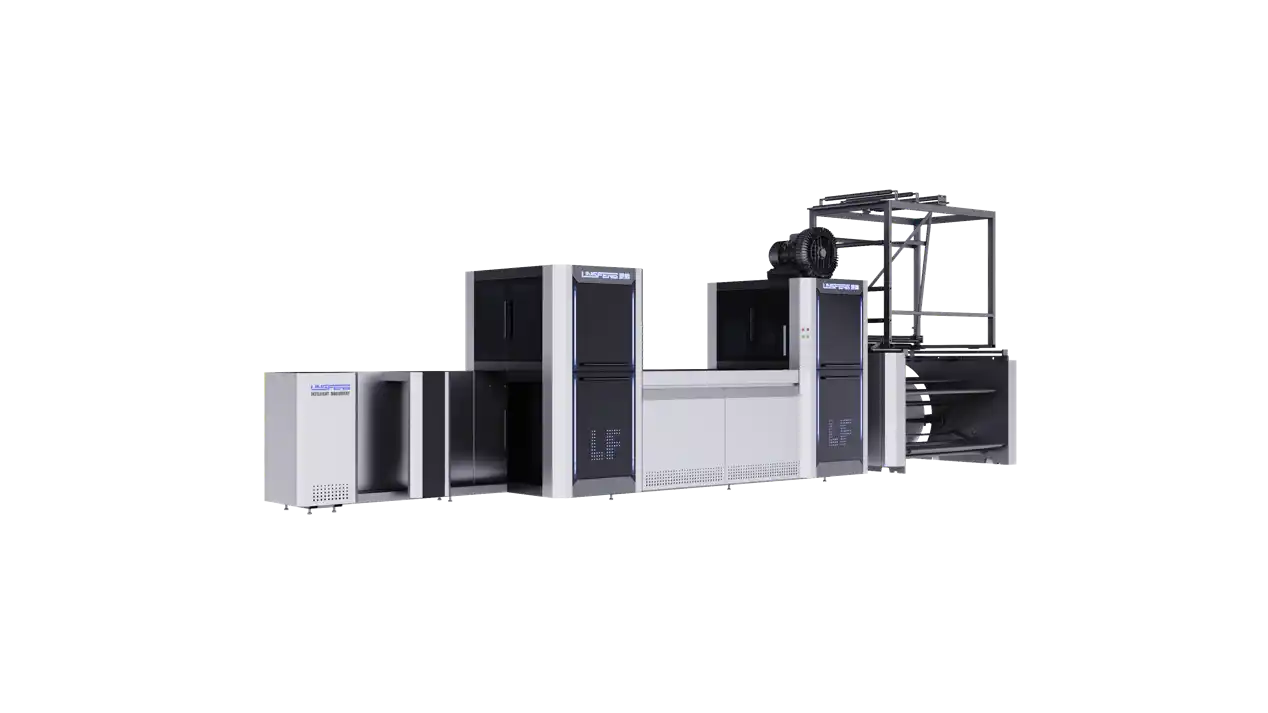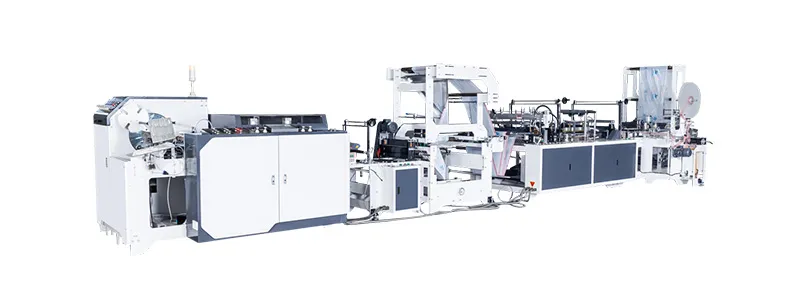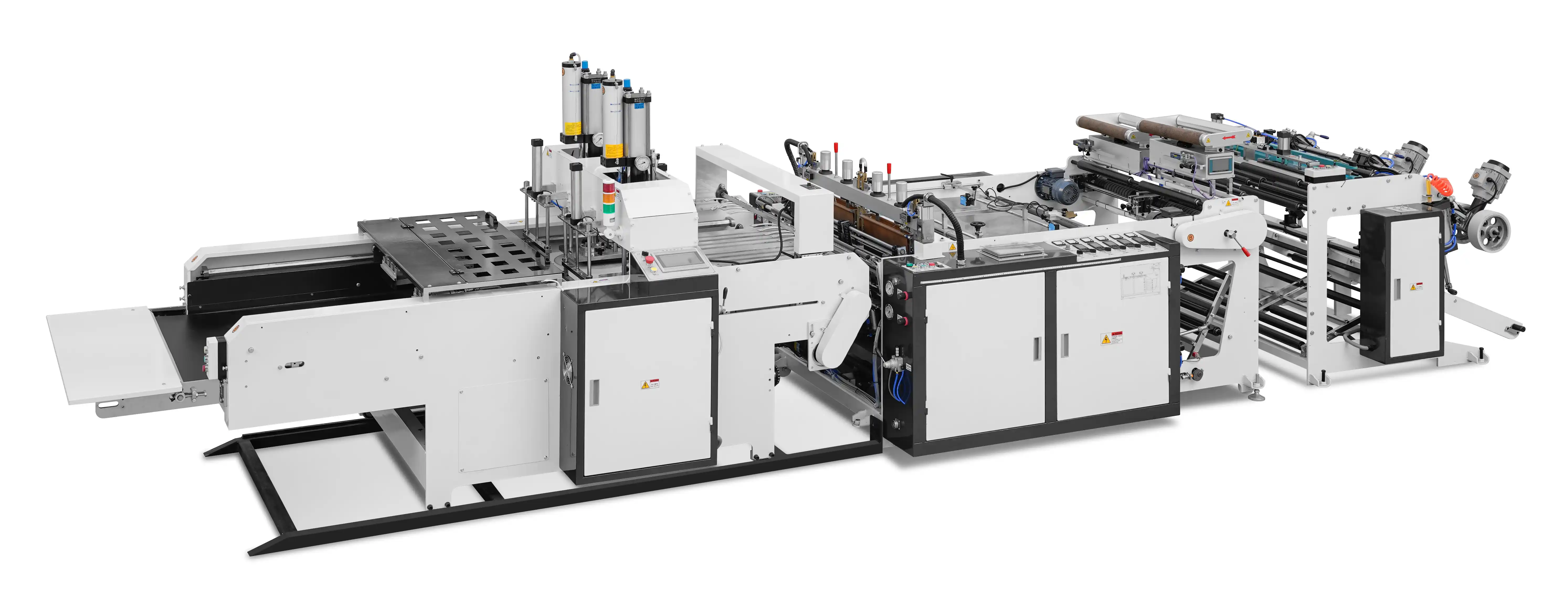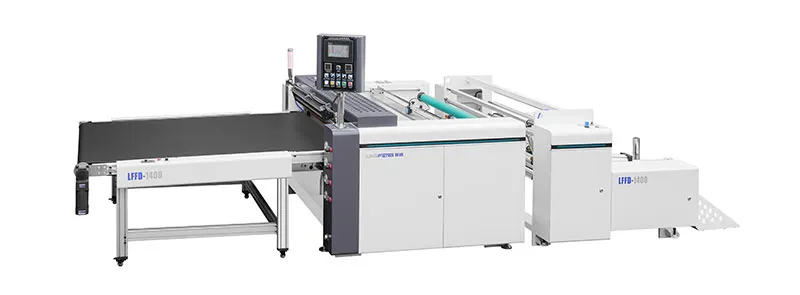

Article Overview: This guide is written for procurement managers, sourcing teams, and project engineers who are preparing to purchase a bags on roll making machine. It outlines the critical decision points, common pitfalls, and practical steps to evaluate suppliers, structure an RFQ, and reduce implementation risk. Use this as a checklist to ensure your next capital investment aligns with production needs and budget expectations.
Contents
Bags on roll making machines convert film (typically HDPE, LDPE, or biodegradable materials) into a continuous roll of perforated bags. The process involves unwinding, sealing, perforating, rewinding, and often core insertion. Understanding the core technology helps you ask the right questions during supplier evaluation.
Key process stages include:
Each stage introduces variables that affect output quality, speed, and waste. When issuing an RFQ, specify whether you require inline folding, coreless rolls, or specific perforation patterns.
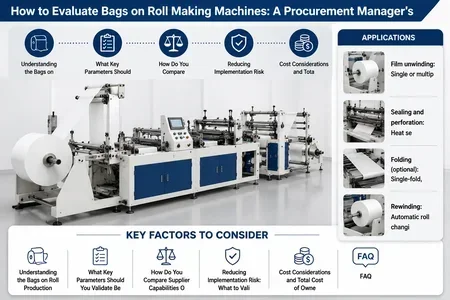
Before you approach suppliers, define your production requirements in measurable terms. This prevents misalignment and helps you compare offers on an apples-to-apples basis. Below is a checklist of parameters to include in your technical specification.
Document these parameters in a technical appendix to your RFQ. Suppliers who return detailed answers to each point demonstrate readiness and transparency.
Once you receive RFQ responses, evaluate suppliers against a consistent set of criteria beyond price. This reduces the risk of selecting a machine that underperforms or leads to costly downtime.
Consider the following dimensions:
To systematize comparison, create a weighted scorecard using these criteria. Assign higher weight to factors that directly affect your operational continuity and total cost of ownership.
Factory acceptance testing (FAT) is your last opportunity to catch issues before shipment and installation. Plan a structured FAT protocol that mirrors your production conditions as closely as possible.
During FAT, verify:
Document any deviations and agree on a corrective action timeline before accepting the machine. This step reduces the likelihood of hidden defects causing production delays later.
The purchase price is only one component of total cost of ownership (TCO). When evaluating proposals, factor in:
Ask each supplier for a 5-year TCO estimate based on your projected production volume. Use this to form a total cost comparison, not just an upfront price comparison.
How do I know if a bags on roll machine can handle biodegradable film?
Check the machine's sealing temperature range and tension control capability. Biodegradable films often require lower sealing temperatures and precise tension to avoid stretching. Ask the supplier for test results or a trial run with your specific film.
What is the typical payback period for a bags on roll making machine?
Payback depends on production volume, labor savings, and waste reduction. In many cases, a fully automatic machine can pay for itself within 18–24 months if running two shifts. Your specific figures will vary; request a payback analysis from your supplier.
Should I buy a single-line or double-line machine?
Double-line machines increase output per floor space but require higher capital. Evaluate your demand volume and shift capacity. For low to medium output, a single-line with quick changeover may be more flexible and cost-effective.
How important is after-sales support for this equipment?
Very important. Bag making machines are mechanical systems that require periodic adjustment. A supplier with a local service network, remote troubleshooting capability, and readily available spare parts can significantly reduce downtime. Review the company background and service infrastructure before finalizing.
Selecting a bags on roll making machine is a significant capital decision that directly impacts your production efficiency and product quality. By defining clear technical parameters, using a structured RFQ and evaluation process, and performing thorough factory acceptance testing, you can mitigate common procurement risks. Focus on total cost of ownership rather than initial price, and prioritize suppliers who demonstrate both technical competence and reliable after-sales support. For further reference, explore Bags On Roll Making Machines to see how one manufacturer addresses these requirements. Also review related equipment such as T-shirt bag making machines and bottom sealing bag making machines to compare technology options. A disciplined approach today will pay dividends in operational reliability and lower lifetime costs.
Related site pages: Home, Products, Side Sealing Bag Making Machines, Other Machine, Applications, Function Customzation Category.




 EN
EN
 ES
ES
 AR
AR