EN
EN
 ES
ES
 AR
AR


Article Overview: Selecting a plastic bag making machine manufacturer is a strategic decision that affects production efficiency, product quality, and long-term operational costs. This guide provides procurement managers and decision-makers with a structured evaluation framework covering factory audits, machine specifications, customization capabilities, after-sales support, and risk mitigation. By following this checklist, you can reduce procurement mistakes and select a reliable partner for your plastic bag production needs. For a comprehensive range of solutions, visit plastic bag making machine manufacturer.
Why Does the Plastic Bag Making Machine Manufacturer Selection Matter?
Choosing the right plastic bag making machine manufacturer directly impacts your production line uptime, bag quality consistency, and total cost of ownership. A poorly selected supplier can lead to frequent breakdowns, incompatible machine specifications, and inadequate technical support, resulting in lost production time and increased scrap rates. Conversely, a reputable manufacturer ensures reliable machinery, responsive service, and spare parts availability. Procurement teams often underestimate the importance of factory audits and documentation verification, which can expose risks such as substandard materials or non-compliance with export certifications.
Key risks of hasty selection include:
- Machines that do not meet claimed output speeds or bag dimensions
- Poor build quality leading to high maintenance costs
- Lack of local or international certifications (CE, UL, ISO)
- Insufficient after-sales support and delayed spare parts delivery
- Misalignment between machine capability and raw material types (HDPE, LDPE, biodegradable films)
Therefore, a systematic evaluation process is essential before issuing an RFQ.
What Should You Evaluate in a Plastic Bag Making Machine Manufacturer?
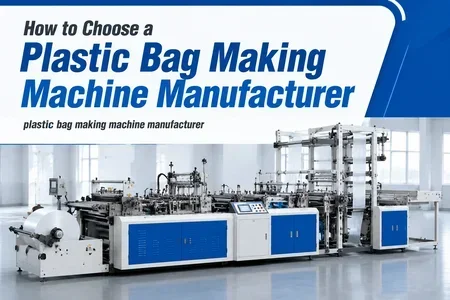
When assessing a plastic bag making machine manufacturer, focus on these core criteria:
- Production Capacity and Machine Specifications: Verify that the machine can handle your required bag sizes, thicknesses, and sealing types (bottom seal, side seal, T-shirt bag, bags on roll). Request detailed technical datasheets.
- Certifications and Compliance: Check for CE, UL, ISO 9001, or other relevant certifications. This indicates adherence to safety and quality standards. Ask for copies of certs.
- Factory Audit Results: If possible, conduct an on-site or virtual factory audit to assess manufacturing processes, quality control, and worker expertise.
- Track Record and Export Experience: Request client references and case studies, especially from buyers in your region. A manufacturer with global export experience understands documentation and logistics.
- After-Sales Support and Spare Parts: Confirm availability of maintenance contracts, remote troubleshooting, and local service partners. Ask about lead times for common spare parts.
Use this checklist to compare multiple manufacturers objectively. Prioritize those that transparently share data and invite audits.
How to Conduct a Factory Audit for a Plastic Bag Making Machine Manufacturer
A factory audit is the most reliable way to verify a manufacturer’s capabilities. Below is a structured process.
Step 1: Review Documentation
Before the visit, request certificates, quality manuals, and previous inspection reports. Verify that the company is legally registered and has no history of IP infringement or export violations.
Step 2: Inspect Production Floor
Observe machining precision, assembly cleanliness, and inventory of raw materials. Check whether the manufacturer uses genuine electrical components (Siemens, Omron, etc.) and weld quality. Ask about incoming material inspection procedures for steel and electronics.
Step 3: Run Machine Demonstration
Request a live demo using your own bag film if possible. Measure actual output speed, sealing reliability, and cut accuracy. Compare against the datasheet claims.
Step 4: Evaluate Quality Control System
Ask to see QC records for outgoing machines. A robust system includes testing each machine for a minimum run time, checking electrical safety, and documenting defects.
After the audit, create a scorecard and rank manufacturers. This reduces the risk of purchasing from a plastic bag making machine manufacturer that does not meet your standards.
Understanding Machine Types and Customization Options
A plastic bag making machine manufacturer typically offers several machine families. Choosing the right type prevents costly conversions later.
T-Shirt Bag vs. Bottom Sealing vs. Bags on Roll
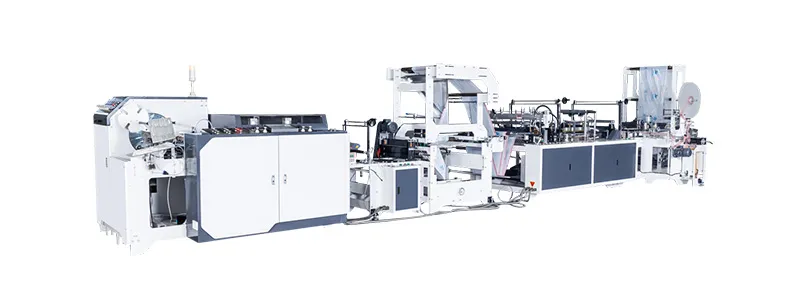
Option A: T-Shirt Bag Making Machine — Ideal for retail carry bags. High speed, automatic handle punching. Requires dedicated tooling for handle shapes.
Option B: Bottom Sealing Bag Making Machine — Produces flat bags for food packaging or heavy-duty garbage bags. Can handle various seal widths and film thicknesses.
Option C: Bags on Roll Machine — For continuous perforated rolls used in produce sections. Needs precise perforation and rewinding modules.
Buyer Note: Confirm that the manufacturer can customize sealing jaw width, servo motor configuration, and unwind stand type to match your film specs.
Additionally, inquire about options for biodegradable films, in-line printing, and automatic stacking/packaging. A flexible manufacturer can adapt standard machines to your specific production needs.
Verifying After-Sales Support and Spare Parts Availability
Even the best machine can experience downtime. Reliable after-sales support differentiates a trustworthy plastic bag making machine manufacturer. Evaluate the following:
- Warranty Terms: Typical warranty is 12 months from installation. Ask what is covered (parts and labor) and the response time for claims.
- Technical Documentation: Ensure you receive comprehensive manuals, wiring diagrams, and troubleshooting guides in English.
- Local Service Network: Does the manufacturer have agents or technicians in your country? If not, what is the cost and lead time for on-site visits?
- Spare Parts Inventory: Request a recommended spare parts list (heating elements, sensors, belts) and confirm stock availability. Long wait times for parts can cripple production.
Consider including a spare parts package in the initial purchase contract. Some manufacturers offer remote diagnostics via internet connectivity — a valuable feature for quick fixes.
FAQ
What is the typical lead time for a plastic bag making machine from a Chinese manufacturer?
Lead times range from 30 to 60 days depending on machine complexity and customization. Standard models are faster. Always confirm in writing and factor in sea freight time (4-6 weeks).
How do I verify the quality of a plastic bag making machine manufacturer before visiting?
Request video demonstrations, customer testimonials, and third-party inspection reports. Look for CE marking and ISO certification. Many reliable manufacturers, such as Lingfeng Machinery, have detailed product pages and case studies on their website.
What payment terms are standard when buying from a plastic bag making machine manufacturer?
Common terms: 30% deposit with order, 60% before shipment, 10% after installation. Some manufacturers offer L/C but prefer T/T. Negotiate milestone payments tied to verification steps.
Can a plastic bag making machine manufacturer customize machines for biodegradable films?
Yes, many manufacturers offer modifications for PLA, PBAT, and other bio-based materials. Ensure the sealing system and temperature controls are adjustable for lower melting points.
Should I buy a single machine or a complete production line?
For new entries, starting with a single machine reduces capital risk. However, consider a line with automatic feeding, printing, and packing to maximize efficiency. A reputable manufacturer can design integrated lines and provide turnkey installation.
Conclusion
Choosing a plastic bag making machine manufacturer requires thorough due diligence. By evaluating production capabilities, conducting factory audits, verifying certifications, and understanding customization options, procurement teams can avoid costly mistakes. Prioritize manufacturers that offer transparent information, robust after-sales support, and a proven track record. Use the checklist in this guide to structure your RFQ and supplier evaluation process, and consider visiting shortlisted manufacturers to confirm their capabilities firsthand.