EN
EN
 ES
ES
 AR
AR


Article Overview: This article provides a neutral, criteria-based comparison of side seal vs bottom seal courier apparel bags. It covers seal appearance, production speed, changeover efficiency, application fit, and procurement considerations. The goal is to help B2B buyers evaluate which bag making machine approach aligns with their specific packaging needs.
What Are the Key Differences Between Side Seal and Bottom Seal Courier Apparel Bags?
The fundamental difference lies in the seal position relative to the bag's opening. Side seal bags have seals on the left and right edges, with the bottom being a fold. Bottom seal bags have a seal at the bottom and a seal along the side or a fold, depending on design. This distinction drives differences in strength, appearance, and manufacturing complexity.
Seal Position and Bag Geometry
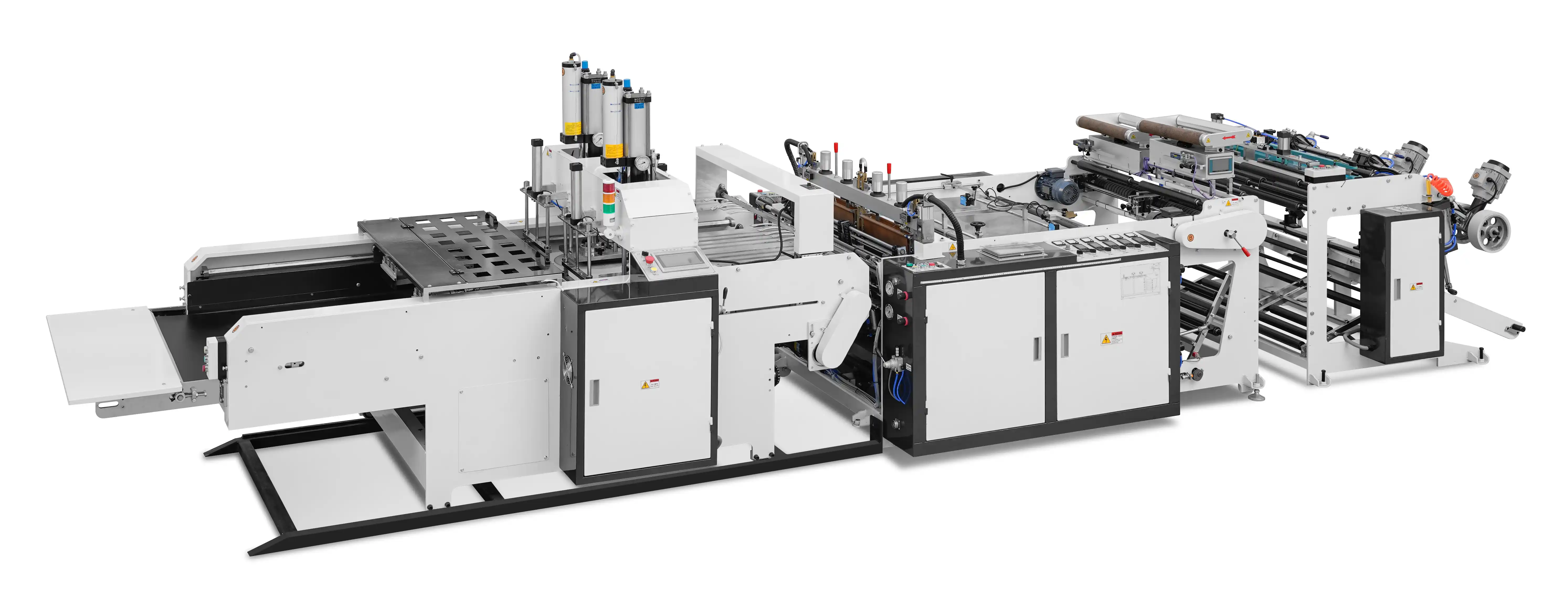
Option A: Side Seal – Seals run vertically on both sides. The bottom is a continuous fold, creating a clean, strong bottom edge. Side seal bags are typically produced using a side sealing bag making machine, which can integrate gussets or wicket holes.
Option B: Bottom Seal – The main seal is at the bottom, with a side seal or fold. Bottom seal bags often have a visible seal line across the bottom and a side seam. They are produced on a bottom sealing bag making machine, which may require additional stations for side sealing or folding.
Buyer note: Side seal bags are generally preferred for mailers and garment bags where a clean, fold-free bottom enhances appearance. Bottom seal bags can be more economical for simple sack-style packaging.
Both approaches are viable for courier and apparel applications, but the choice affects downstream operations such as packing, sealing, and branding.
How Do Seal Appearance and Strength Affect Courier and Apparel Packaging?
Apparel and courier packaging often demands a polished look. Seam visibility, seal strength, and the risk of leaking or tearing are critical. Below we compare the visual and mechanical trade-offs.
Seal Aesthetics and Strength
Option A: Side Seal – The fold at the bottom provides a smooth, uninterrupted edge without a seal line. Side seals are typically narrow and located at the bag edges, offering a more uniform appearance. Seal strength is high because the bottom is a fold, and side seals can be heat-sealed or hot-cut for clean edges.
Option B: Bottom Seal – The bottom seal line is visible and may be wider. Side seams can create additional seal lines. Bottom seal bags can be strong, but the bottom seal is a potential failure point under heavy loads. For lightweight apparel items like t-shirts, this is usually acceptable.
Buyer note: If brand presentation matters (e.g., premium garment bags), side seal provides a more finished look. For cost-sensitive mailer applications, bottom seal may suffice.
Comparing Production Speed and Changeover Efficiency
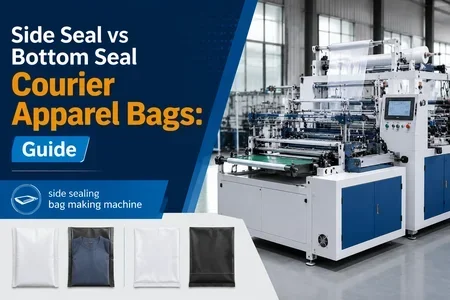
Production speed and changeover ease are key factors for high-volume operations. Side seal and bottom seal machines differ in their mechanical setups and typical throughput.
| Criterion | Side Seal Machine | Bottom Seal Machine |
|---|---|---|
| Seal direction | Vertical (left and right sides) | Horizontal (bottom), plus side seal |
| Typical speed (bags/min) | 80–150 (varies by width and film) | 60–120 (varies by configuration) |
| Changeover complexity | Moderate – requires adjusting seal bars and folders | Lower – fewer seal stations, but may need side seal tooling |
| Common applications | E-commerce mailers, garment bags on wicket, poly apparel bags | Simple courier packs, flat poly bags, some apparel sacks |
Speed and changeover times are highly dependent on film type, bag size, and machine model. Validate against your specific spec before finalizing.
Evaluating Your Operating Requirements for Courier and Apparel Bags
To choose between side seal vs bottom seal courier apparel bags, assess your production environment with the following checkpoints.
- Bag design: Do you need a clean bottom fold for branding? Side seal is preferable. Is a simple seal acceptable? Bottom seal works.
- Insertion method: Side seal bags are easier for manual or automated garment insertion because the bottom is open? Actually, side seal bags have the opening at the top, bottom is closed. Both can be configured. Consider your packing station workflow.
- Film compatibility: Both systems handle polyethylene films, but side seal machines often work better with thinner films (e.g., 0.01–0.05 mm) used in retail poly bags.
- Volume and changeover frequency: If you run many SKUs, low changeover time favors bottom seal. If you run high volume of few SKUs, side seal's speed advantage may dominate.
Decision Checklist for Procurement Teams
When evaluating a side seal vs bottom seal courier apparel bags solution, use the following flow to guide your team.
Step 1: Define Bag Specifications
List required bag dimensions, film gauge, seal strength (leak test), and printing/lamination needs. This filters which machine can meet baseline requirements.
Step 2: Match to Production Volume
Estimate daily/weekly bag output. For volumes above 100,000 bags/day, side seal machines often provide higher throughput. For lower volumes, bottom seal machines may offer better ROI with lower capital cost.
Step 3: Assess Upstream and Downstream Integration
Ensure the bag making machine aligns with your film unwind, printing, and packing lines. Side seal machines can integrate wicket hole punching for automated garment bagging. Bottom seal machines may need additional modules for side sealing or folding.
Use this checklist to compare supplier quotes and machine specifications objectively.
FAQ
What is the main advantage of side seal bags for courier apparel?
Side seal bags provide a cleaner bottom edge (fold) which improves the appearance of garment bags and e-commerce mailers. This is often preferred for branded packaging.
Are bottom seal bags cheaper to produce?
Generally, bottom seal machines have a lower initial cost and simpler operation. However, for high-volume production, side seal machines can offer lower per-bag cost due to higher speed and reduced waste.
Can both bag types be used on the same packing line?
Yes, both can be used interchangeably if the packing line is designed for flexible bag types. However, side seal bags may require specific handling equipment for wicket feeding or reclosure.
Which is better for thin film apparel poly bags?
Side seal machines typically handle thinner films more reliably because the fold bottom reduces stress on the seal. Bottom seal machines can also run thin films but may require careful tension control.
Conclusion: Choosing the Right Bag Making Approach
Side seal vs bottom seal courier apparel bags each offer distinct advantages depending on your application, volume, and quality standards. Side seal excels in appearance and speed for mailers and garment bags, while bottom seal provides simplicity and lower entry cost for basic poly sacks. Evaluate your bag specifications, production volume, and integration needs before investing. For a tailored recommendation, consult equipment suppliers and request model-specific data.
Related site pages: side seal vs bottom seal courier apparel bags, Home.