EN
EN
 ES
ES
 AR
AR


Article Overview: This buyer's guide helps procurement managers, sourcing teams, and project engineers evaluate the GDFR-400X3 three lines t-shirt bag making machine. You will learn key specifications, procurement checkpoints, RFQ preparation, and how to avoid common mistakes when selecting a high-speed triple-lane bag making solution. The article stays focused on the GDFR-400X3 and related multi-lane t-shirt bag production.
What Makes the GDFR-400X3 Three Lines T-Shirt Bag Making Machine Different?
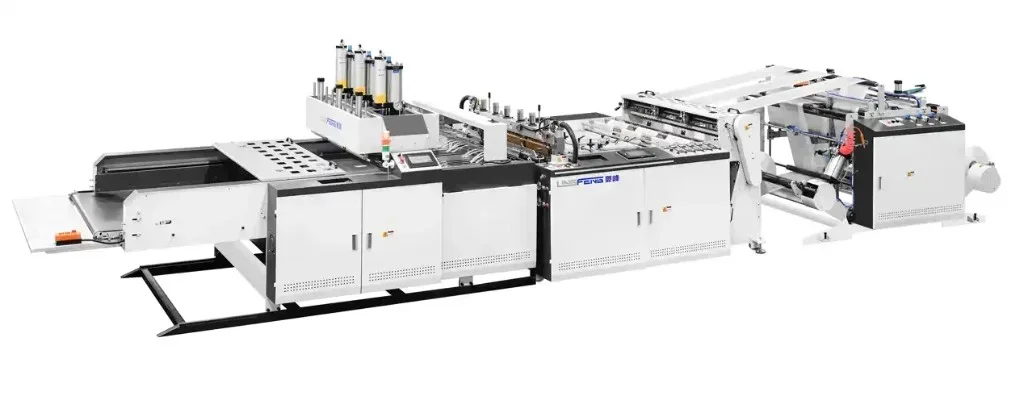
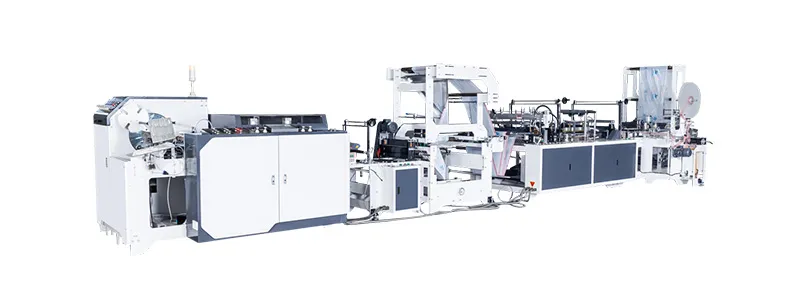
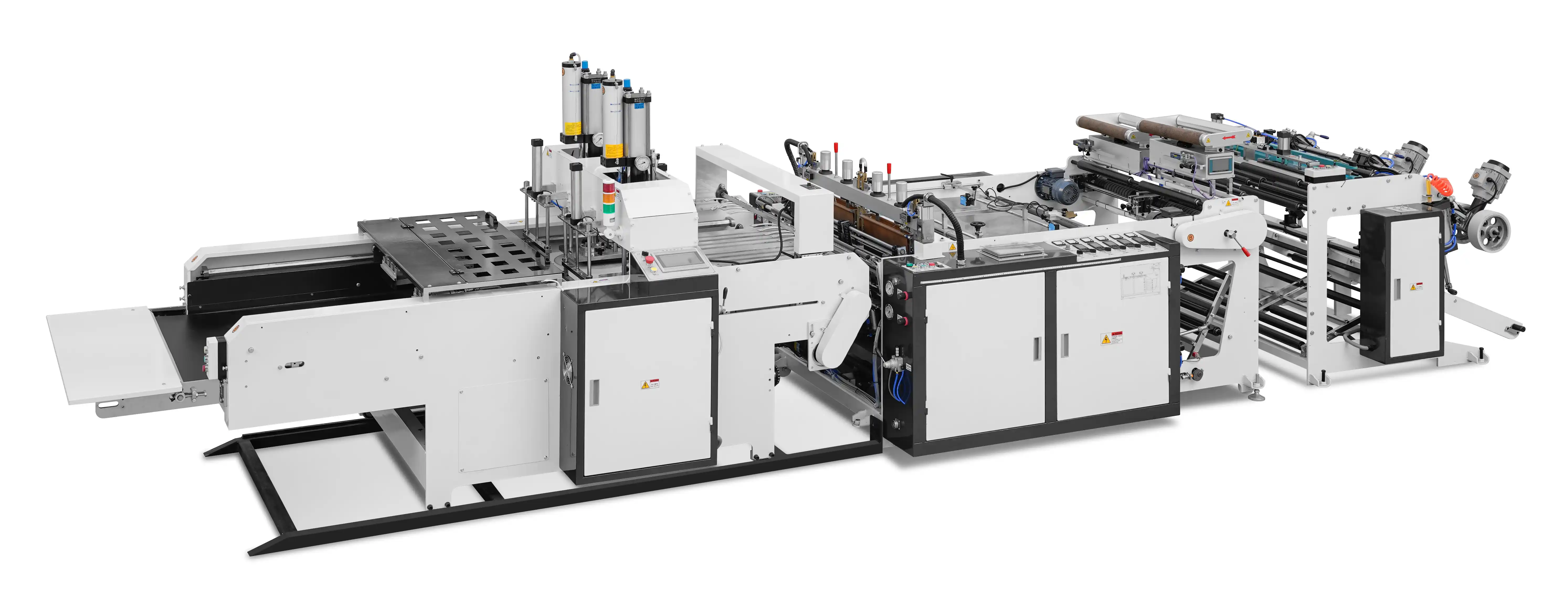
The GDFR-400X3 three lines t-shirt bag making machine is engineered to produce three lanes of t-shirt bags simultaneously from a single extruded film web. This design multiplies output without proportionally increasing floor space or operator headcount. For buyers accustomed to single- or double-lane machines, the GDFR-400X3 represents a step change in throughput efficiency.
Key differentiators include independent tension control per lane, patented hot-cut sealing, and anti-stick stacking. These features reduce waste and improve bag quality, especially when running high-speed cycles of 280 bags per minute per lane. The machine also supports biodegradable films such as PLA+PBAT, making it suitable for manufacturers moving toward compostable packaging.
What Should Buyers Verify Before Purchasing a Three-Line Machine?
Before committing to a triple-lane solution, procurement teams must validate several technical and operational factors. The table below outlines the critical checkpoints.
Phase 1: Production Requirements Audit
Action: Define the exact bag dimensions, film thickness (HDPE/LDPE), and daily volume targets. The GDFR-400X3 operates optimally with 400mm film width per lane, bag length from 300 to 650mm, and thickness 0.008–0.05mm. Mismatched specifications can lead to reduced speed or poor seal quality.
Validation: Review your current order mix and future product roadmap. If your bags exceed these dimensions, consider alternative configurations or custom engineering.
Phase 2: Supplier Capability Check
Action: Request detailed technical documentation, including control system schematics, power consumption, and maintenance intervals. Confirm the supplier's experience with multi-lane registration control and tension management. Ask for references of existing GDFR-400X3 installations.
Validation: A reputable supplier like Lingfeng Machinery should provide a comprehensive quality certificate and factory acceptance test report.
Additionally, consider the following procurement checklist:
- Electrical compatibility: Voltage, frequency, and phase (380V/50Hz three-phase standard, but verify with your facility).
- Operator training: Does the supplier include on-site training for multi-lane operation?
- Spare parts availability: What is the lead time for critical components like sealing bars and servos?
- Software language: Ensure the HMI supports your operator's language (English menus are common).
How to Prepare an RFQ for a Triple-Lane T-Shirt Bag Making Machine
A well-structured RFQ (Request for Quotation) reduces miscommunication and speeds up supplier evaluation. Use the following steps to create an effective solicitation.
Step 1: Specify Process and Material Requirements
State the type of bags (t-shirt, die-cut handle, etc.), lane count (three), and preferred film materials. Example: "HDPE bags with single-thickness handles, printed registration mark, and bottom fold." Include tolerance limits on bag dimensions and seal strength.
Step 2: Request Performance Guarantees
Ask suppliers to commit to a minimum output rate (e.g., 840 bags per minute across three lanes) under defined conditions (film type, thickness, bag size). Also request energy consumption data per 1,000 bags to calculate total cost of ownership.
Step 3: Evaluate Service and Support
Include clauses for installation supervision, training hours, warranty period (typically 12–24 months), and response time for technical support. Ask about remote diagnostics capabilities.
After receiving responses, compare offers using a weighted scoring matrix based on price, throughput, build quality, and after-sales service. The Lingfeng Machinery product range includes multiple multi-lane bag making machines that can serve as benchmarks.
Application Scenarios: Which Industries Benefit from Triple-Line Output?
The GDFR-400X3 is particularly suited for high-volume bag producers serving retailers, quick-service restaurants, and grocery chains. Three-lane output enables a single operator to produce enough bags for several packing lines. Common applications include:
- Retail t-shirt bags for supermarkets and department stores.
- Biodegradable shopping bags compliant with local environmental regulations.
- Promotional printed bags requiring consistent registration across lanes.
When evaluating the business case, compare the GDFR-400X3's per-lane cost against multiple single-line machines. For example, a single GDFR-400X3 at 840 bags/min may replace three older 250 bag/min machines, reducing total power consumption and maintenance labor.
FAQ
What is the maximum bag width per lane on the GDFR-400X3?
Each lane handles a maximum film width of 400mm (15.75 inches), with a maximum bag width of approximately 380mm after center sealing.
Can the GDFR-400X3 process biodegradable or compostable films?
Yes, the machine is compatible with PLA, PBAT blends, and other biodegradable materials. However, optimal speeds will vary; we recommend running trials with your specific film formulation.
Does the GDFR-400X3 include inline punching and handle cutting?
Yes, the standard configuration includes a hot-punch unit for handle cutouts and a servo-driven sealing system. Optional modules for patch reinforcement are available.
What is the typical payback period for upgrading to a three-line machine?
Based on published industry data, many buyers achieve a payback within 12 to 18 months when replacing two or more aging single-line machines, assuming consistent order volumes above 5 million bags per month.
Conclusion: Making an Informed Purchase Decision
The GDFR-400X3 three lines t-shirt bag making machine offers a proven path to higher throughput with a single machine footprint. By following the procurement checklist and RFQ steps outlined in this guide, buyers can reduce the risk of mismatched specifications and avoid costly production delays. Always verify supplier service records and request a factory acceptance test before finalizing your order. For a detailed specification sheet and machine demonstration, contact the manufacturer directly.