EN
EN
 ES
ES
 AR
AR


Article Overview: This procurement guide helps decision-makers evaluate a side sealing machine for mailing garment wicket bags. We cover essential specifications, RFQ preparation, common mistakes, and supplier evaluation—all aimed at reducing risk and ensuring the right courier bag making machine for your production line.
What Is a Side Sealing Machine for Mailing Garment Wicket Bags?
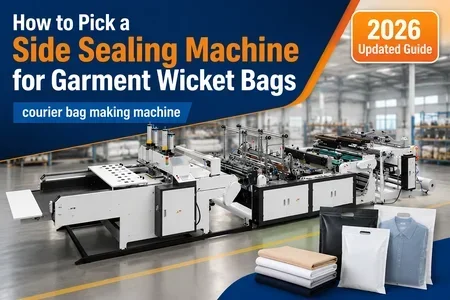
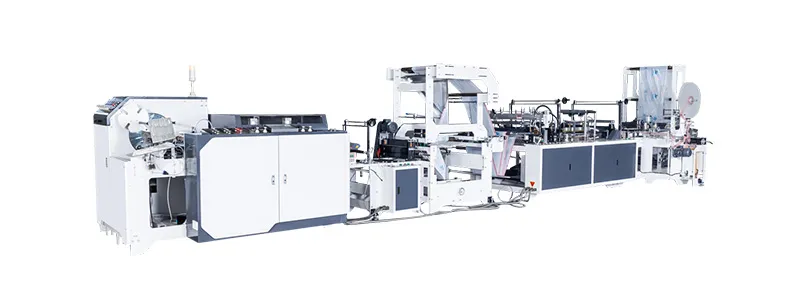
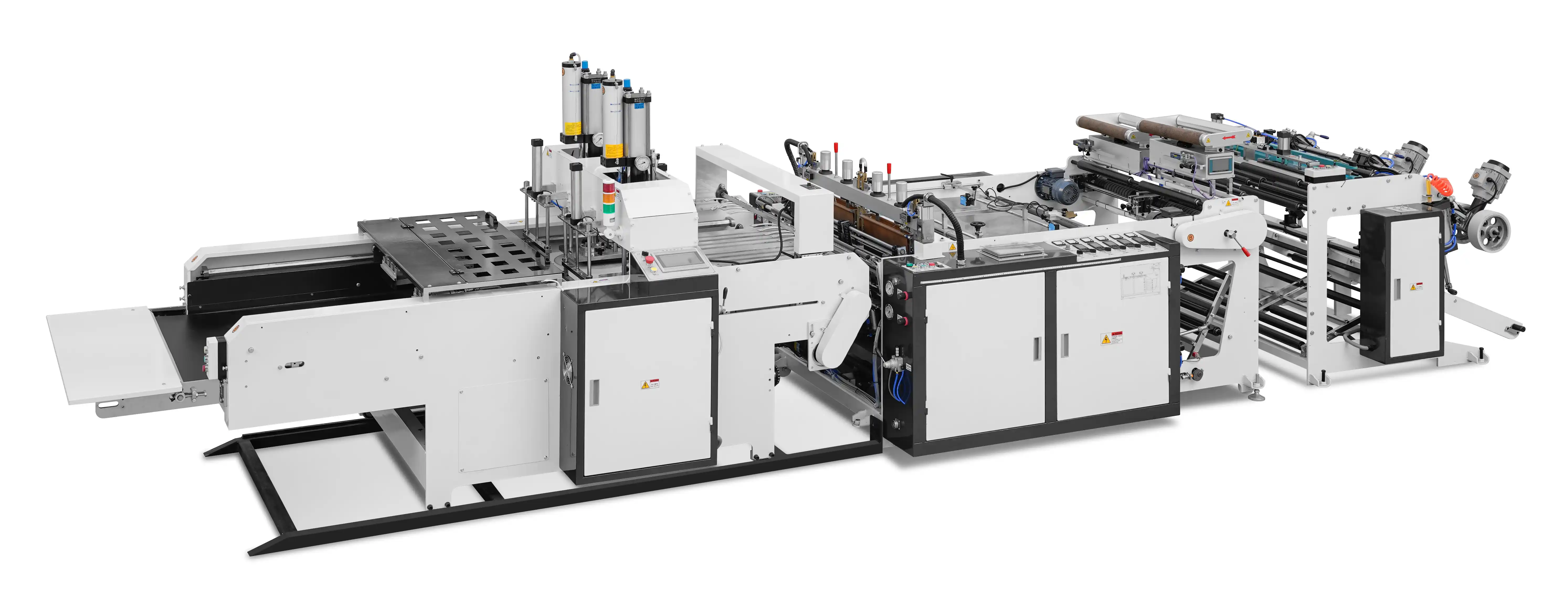
A side sealing machine for mailing garment wicket bags is a specialized unit that creates sealed edges along the vertical sides of plastic bags, enabling features like wicket holes, lip openings, and flap closures. These machines are integral to high-volume production of courier bags, garment covers, and wicket-style packaging used in e-commerce fulfillment. Unlike bottom sealers, side sealers maintain a consistent bag orientation for automated wicket feeding, which is critical for packing lines that require rapid loading.
When evaluating a courier bag making machine, buyers should focus on the core process: film unwinding, side sealing, cutting, and wicket punching. The machine must handle films such as LDPE, HDPE, or biodegradable blends, and produce seals that are strong enough for automated opening yet visually clean. For garment wicket bags, precision in punch alignment (±0.5 mm) is non-negotiable to prevent jams in downstream equipment.
What Key Specifications Should You Validate Before Purchase?
Before sending an RFQ, procurement teams need a clear technical checklist. Below are the most critical parameters for a side sealing machine for mailing garment wicket bags.
Step 1: Define Bag Dimensions and Film Compatibility
Confirm the machine's bag width range (typically 200–800 mm) and whether changeover is tool-less. List your exact bag dimensions, film gauge (e.g., 20–100 microns), and any print registration requirements. Ensure the machine's sealing system can handle your material—biodegradable films may require different temperature profiles.
Step 2: Verify Sealing and Wicket Specifications
Ask about seal width (e.g., 8–10 mm), pattern options (flat, embossed, serrated), and seal strength data. For wicket bags, the punch diameter and spacing must match your packing line. Request tolerance specifications (e.g., punch position within ±0.5 mm) and ask for test samples.
Step 3: Assess Speed and Cycle Time
Rated speed (bags per minute) varies with film thickness and bag length. Look for 80–200 bpm for typical garment wicket bags. Request cycle time data under your specific material conditions—never rely on generic figures alone.
Step 4: Review Film Handling System
Check roll diameter capacity (e.g., up to 600 mm), automatic tension control, and edge-guidance accuracy. Poor film handling leads to wrinkling and sealing defects. Also ask about power consumption, compressed air needs, and floor space.
For comparison, bottom sealing machines handle different bag orientations; if your line requires both wicket and flat bags, a side sealing machine often provides faster changeover. Explore how bottom sealing bag making machines differ in seal placement and wicket compatibility.
How to Prepare an RFQ for Your Courier Bag Making Machine?
An effective RFQ aligns supplier proposals with your production reality. Use the following flow to structure your request.
Phase 1: Document Bag Specifications and Quality Standards
Provide exact bag dimensions, film material (including recycled content if applicable), print registration requirements, and any special features (lip, flap, tape, or perforation). Specify wicket hole diameter and spacing.
Phase 2: Define the Process Flow and Optional Modules
Ask suppliers to describe the machine's workflow: unwind, seal, cut, stack, wicket. Inquire about options like in-line printing, handle punching, or banding. This helps compare total line cost and footprint.
Phase 3: Request Quality Control and Testing Protocols
Request sample runs with your own film. Ask for seal strength reports, stack alignment measurements, and changeover time between bag sizes. A trustworthy supplier will offer a trial or video proof.
Phase 4: Compare Total Cost of Ownership
Beyond purchase price, get data on energy consumption, spare part availability, and maintenance intervals. Include installation, training, and warranty terms in the quote.
Common Procurement Mistakes and How to Avoid Them
Even experienced buyers can miss details that cause delays or underperformance. Below are frequent pitfalls when sourcing a side sealing machine for mailing garment wicket bags.
- Ignoring Film Type Variability: Some machines perform poorly with recycled or biodegradable films. Always test with your actual material under production speeds.
- Underestimating Wicket Accuracy: Inconsistent punch placement leads to jams in automated loaders. Specify placement tolerance (e.g., ±0.5 mm) and verify with sample runs.
- Skipping Operator Training: Complex machinery requires skilled operators. Negotiate on-site training as part of the contract to minimize ramp-up time.
- Not Planning for Future Product Changes: Choose a machine that can handle slight upsizing in bag width or length without major retrofits. Modular designs offer flexibility.
By anticipating these issues early, you can structure supplier evaluations to mitigate risks. A thorough RFQ will reveal whether a manufacturer has experience with high-speed wicket bag production.
Supplier Evaluation Criteria for a Side Sealing Machine
When comparing suppliers for a courier bag making machine, adopt a systematic scoring approach. Consider these factors:
- Industry Experience: How many years has the supplier built side sealers for garment and wicket bags? Request at least two references from similar projects.
- Testing and Warranty: Does the supplier offer pre-shipment testing at their facility? What is the warranty coverage for seals and electrical components?
- After-Sales Support: Check lead times for spare parts, availability of remote diagnostics, and service technician travel policy. Downtime costs can offset initial price differences.
- Certifications: While not always required, CE, UL, or ISO 9001 indicate quality management practices. Ask for documentation.
Use a weighted scorecard to rank bids. Technical fit should outweigh price alone, as an ill-suited machine quickly erodes savings through lost production.
FAQ
What is the difference between a side sealing machine and a bottom sealing machine for wicket bags?
A side sealing machine creates seals along the vertical edges, allowing the bag opening to be at the top or bottom. Bottom sealers leave a seal at the bag bottom, which may not suit wicket stacking where consistent opening direction is needed. For garment wicket bags, side sealing is preferred for easier automated feeding.
Can a side sealing machine for mailing garment wicket bags also produce courier flat bags?
Yes, many machines offer quick changeover by adjusting the wicket punch and stacking module. Confirm with the supplier if the machine includes a removable punch and adjustable stacker for flat bag production.
How do I determine the correct sealing temperature for my film?
Sealing temperature depends on film material, thickness, and line speed. Modern machines use PID controllers to maintain consistent heat. Ask the supplier for a recommended temperature range for your specific film. Always run trial samples before final acceptance.
What maintenance is required for a side sealing machine?
Routine tasks include cleaning sealing bars, lubricating moving parts, checking tension controls, and replacing wear parts like cutting blades and seal strips. Follow the manufacturer's schedule to minimize downtime.
How long does installation typically take?
Installation usually requires 2–5 days depending on line complexity. Many suppliers offer installation supervision and operator training. Plan for site preparation—electrical, compressed air, and floor space—before delivery.
Conclusion
Selecting a side sealing machine for mailing garment wicket bags demands a structured approach that balances technical specs, operational needs, and supplier capability. By focusing on validated performance data, a clear RFQ, and thorough supplier evaluation, procurement teams can avoid common pitfalls and secure equipment that delivers consistent output and low total cost of ownership. Use the checkpoints outlined above to guide your decision, and always request material testing with your own film. For a comprehensive view of available options, review the side sealing machine for mailing garment wicket bags product range from reputable manufacturers.