EN
EN
 ES
ES
 AR
AR


Article Overview: This procurement guide helps buyers and decision-makers evaluate suppliers of bags on roll making machines. It covers core applications, RFQ preparation, technical evaluation criteria, cost-risk tradeoffs, and common purchasing mistakes—enabling you to select a supplier that aligns with your production goals and budget.

What are bags on roll and why do they matter for procurement?
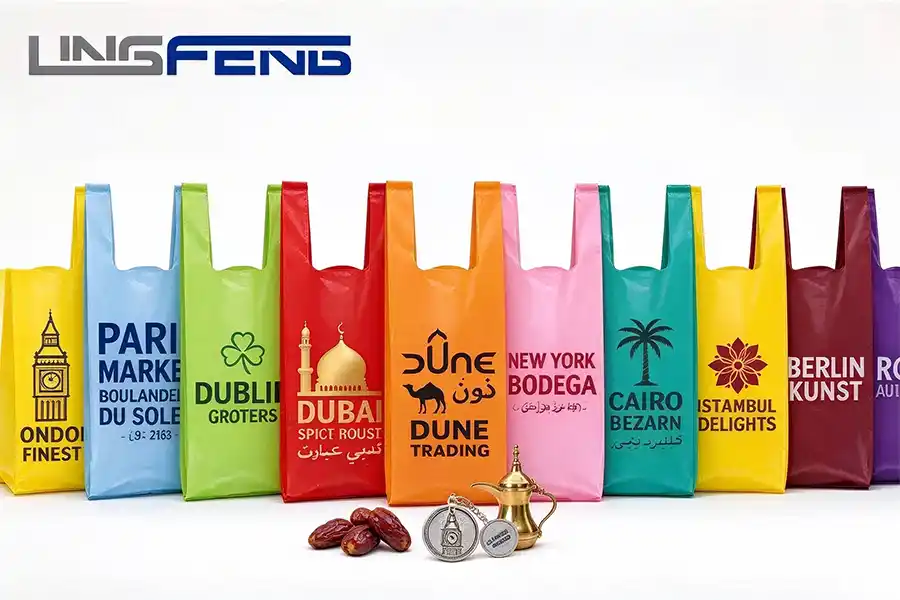
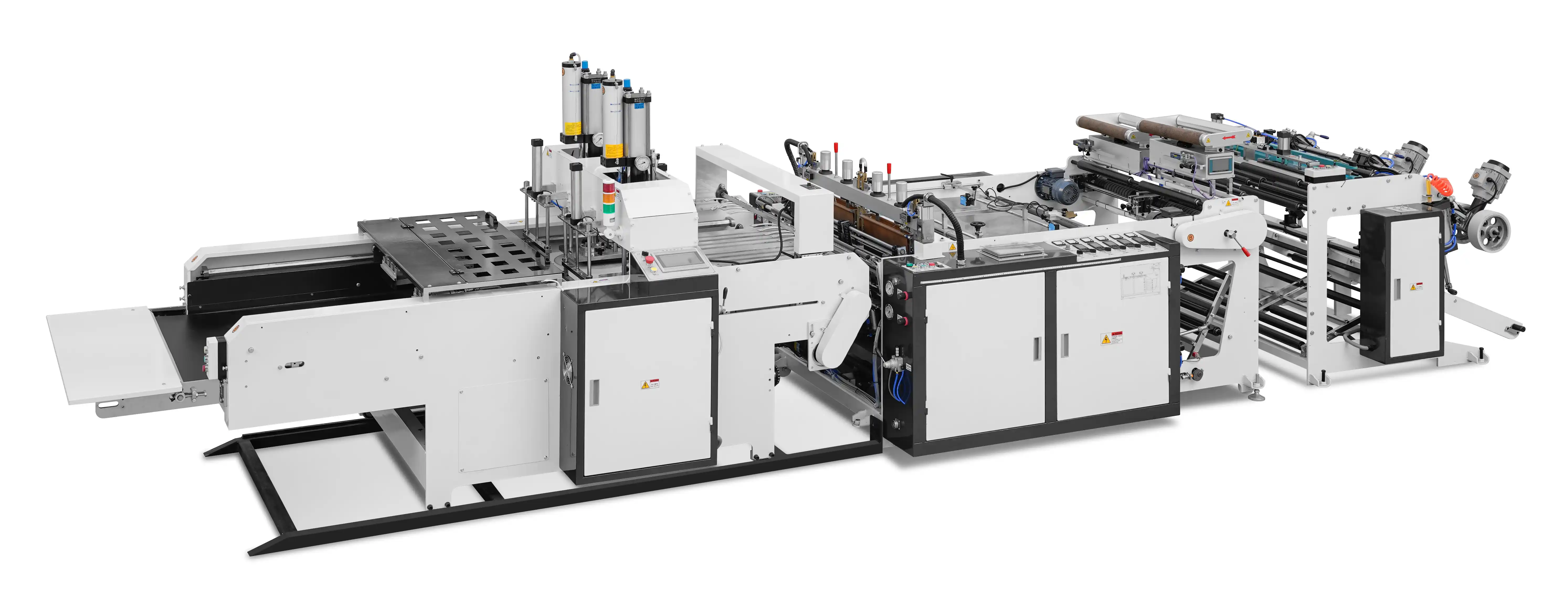
Bags on roll are continuous lengths of plastic bags wound onto a core for easy dispensing. Common end products include garbage bags, T-shirt bags, drawstring bags, and flat bags. They are widely used in retail, food service, healthcare, and waste management. For procurement teams, understanding the specific bag type and material is the first step in matching a bags on roll making machines to your production line. The efficiency of converting raw film into finished rolls directly affects your operational costs. When evaluating suppliers, look for those that offer machines suited to your bag dimensions, film thickness, and required throughput. A mismatch here can lead to frequent downtime and higher per-unit costs. Common bag-on-roll bag-on-roll applications include packaging for supermarkets, hospitals, and industrial waste. Each application may require different film properties: HDPE for strength, LDPE for flexibility, or biodegradable materials for environmental compliance. Procurement managers should map their application to machine capabilities early in the process to avoid costly re-specifications.
How to evaluate a bags on roll making machine supplier?
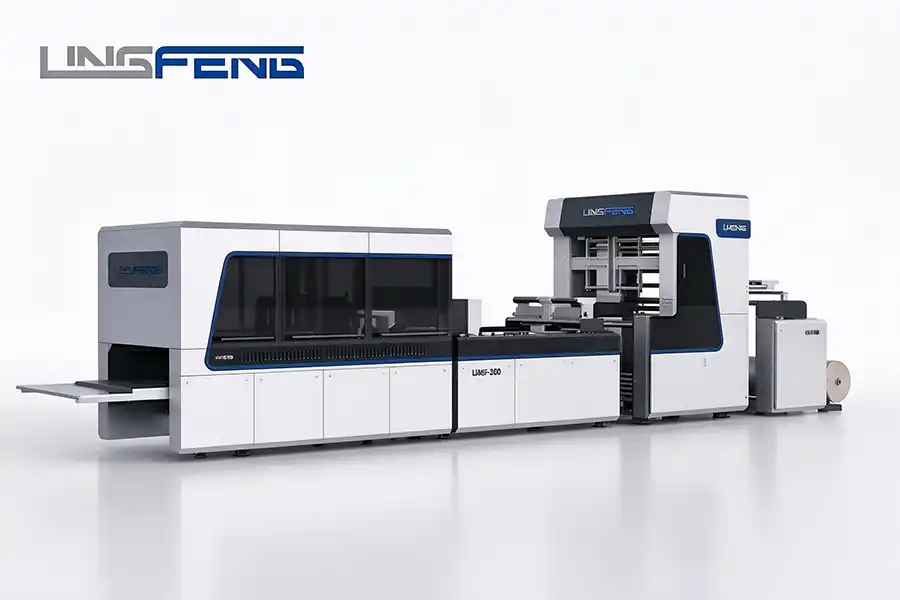
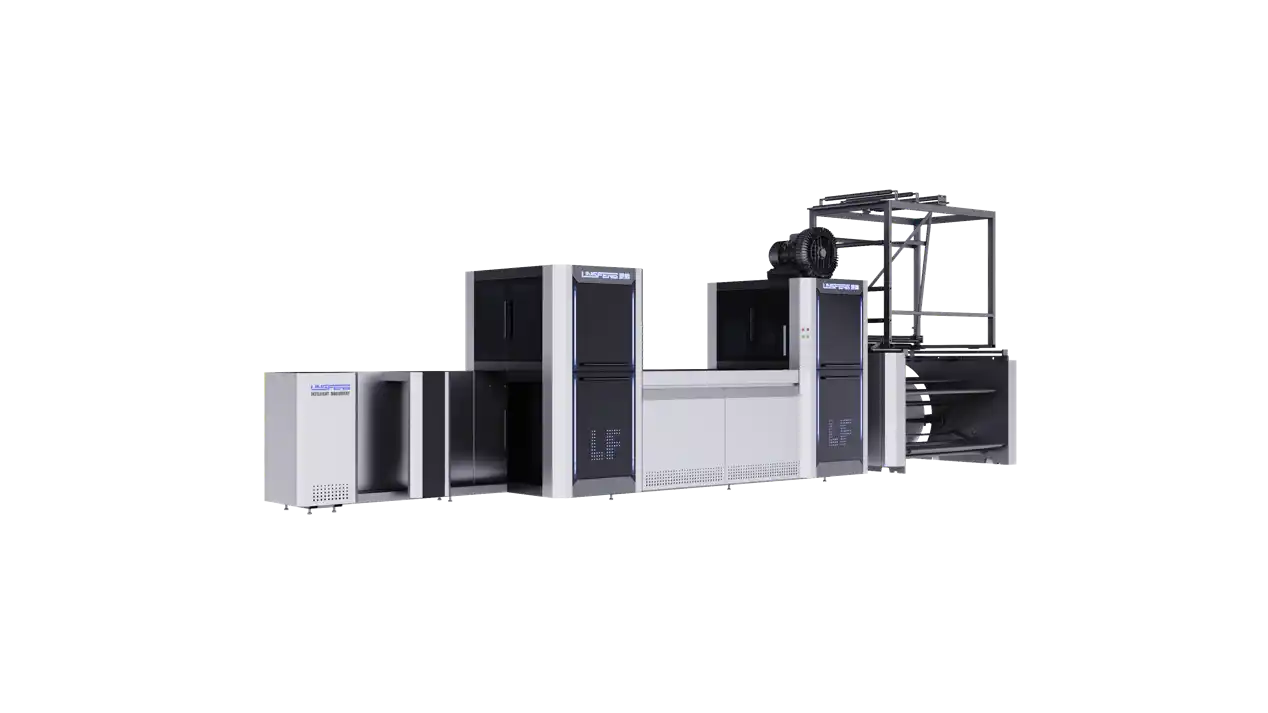
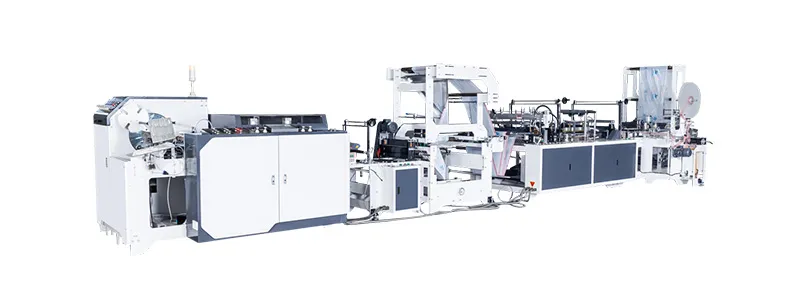
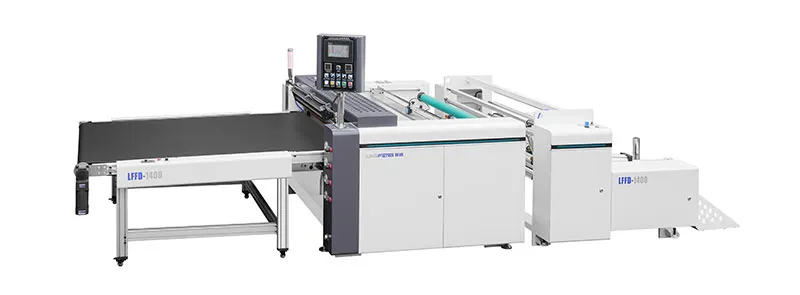
Supplier evaluation should go beyond the initial price quote. Start by assessing the supplier's track record with similar bag-on-roll applications. Request case studies or client references that demonstrate successful installations in your industry. Verify the supplier's manufacturing capabilities—do they produce the machine in-house, or are they an integrator? In-house production often means better control over quality and spare parts availability. Also check the range of machine configurations offered. A supplier that provides multiple options (e.g., single-line vs. dual-line, servo-driven vs. mechanical) can better tailor a solution to your production volume and budget. Browse the range of machine configurations to compare types and features. Use a structured RFQ template that includes minimum technical specifications, expected output speed, film type compatibility, and core size requirements. This reduces the risk of receiving incomparable quotes. Consider visiting the supplier's factory or requesting a remote demonstration to see the machine in operation. Finally, review after-sales support: availability of local technicians, warranty terms, and spare parts inventory. For specialized production, such as T-shirt bag production, verify that the supplier has experience with that specific format.

What key technical criteria should you include in your RFQ?
When drafting an RFQ for a bags on roll making machine, include the following parameters to ensure accurate and competitive bids:
- Bag type and dimensions: Specify whether you need T-shirt bags, drawstring bags, flat bags, or garbage bags. Provide exact width, length, and thickness range.
- Material compatibility: State the film materials (HDPE, LDPE, LLDPE, biodegradable resins) and any additives like color or UV stabilizers.
- Production speed: Define the required output in bags per minute or meters per minute. Consider both peak and sustained speeds.
- Roll core specifications: Include core inner diameter, outer diameter, and winding method (center vs. surface winding).
- Sealing and cutting: Indicate whether you need star sealing, S-cut, or draw tape features. Check if the machine uses servo-driven or mechanical cutting for consistent perforation. Explore bottom sealing features for bag types that require flat seals.
- Automation level: Request details on automatic roll change, film tension control, and waste reduction systems. For high-speed lines, review side sealing options for additional flexibility.
- Certifications: Ask for CE, ISO, or other relevant certifications that verify safety and quality standards.
Including these criteria in your RFQ helps avoid vague responses and allows you to compare suppliers on a like-for-like basis. A detailed RFQ also reveals which suppliers truly understand your production environment.

What common procurement mistakes should you avoid?
Many buyers focus solely on the purchase price of the machine, overlooking total cost of ownership. Maintenance downtime, energy consumption, and spare part availability can significantly impact long-term profitability. A cheap machine that frequently jams or requires manual intervention will offset any initial savings. Another frequent error is neglecting film quality requirements. If your resin supplier changes, the machine may not handle the new melt flow index, causing inconsistent sealing or wrinkles. Always discuss material trials with the supplier before purchase. Additionally, some buyers under-specify automation needs, only to later face labor shortages or quality issues. Evaluate options like automatic tension control, flying knife systems, and automatic roll changers to justify the investment. Finally, don't ignore the supplier's capacity to scale. If you plan to increase production in the future, will the same supplier offer modular upgrades? Check modular upgrade options for future expansion. For a complete production system, consider the Bags On Roll Making Machines solution that integrates with your existing line.
FAQ
What is the typical lifespan of a bags on roll making machine?
With proper maintenance, a well-built machine can last 10–15 years. Key factors affecting longevity include quality of components (servo motors, bearings, sealing bars), regular maintenance schedules, and operating environment (temperature, humidity).
Can a single machine produce different bag types on rolls?
Yes, many machines offer quick-change tooling for different bag sizes and sealing patterns. However, switching between materials (e.g., HDPE to biodegradable) may require adjustments in sealing temperature and tension settings. Confirm with the supplier the range of bag types the machine can handle without major modifications.
How do I determine the right production speed for my needs?
Calculate your daily or weekly bag demand, then factor in shift hours and planned downtime. A good rule of thumb is to select a machine with a rated speed 20–30% above your current peak demand to allow for future growth and process variability. Always request validated speed figures under actual production conditions.
What safety certifications should I look for?
At minimum, the machine should comply with CE (European) or equivalent safety standards. Look for certification marks on electrical and mechanical components. For higher-risk environments, ask about guard interlocks, emergency stops, and noise levels.
Is it better to buy a new machine or a refurbished one?
New machines offer full warranty, latest technology, and predictable operation. Refurbished machines can be cost-effective but require thorough inspection of wear parts and control systems. If you choose refurbished, ensure the supplier provides a performance guarantee and service contract.
Conclusion
Procuring a bags on roll making machine is a significant investment that directly impacts your production efficiency and product quality. By using a systematic approach—understanding your application, evaluating supplier capabilities, preparing detailed RFQs, and avoiding common pitfalls—you can select a solution that fits your operational and financial goals. Start by mapping your bag requirements and production targets, then use the Bags On Roll Making Machines system as a reference to compare available configurations. With thorough preparation, your procurement team can reduce risk and secure a reliable partner for years to come.