EN
EN
 ES
ES
 AR
AR


Article Overview: This article provides an introductory overview of bags on roll production, covering core technology, materials, selection criteria, and market applications. It is designed for technical and procurement decision-makers who are building foundational knowledge before evaluating specific equipment or suppliers.
What Are Bags on Roll and Why Are They Important?
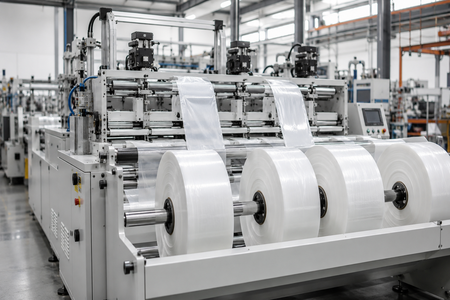
Bags on roll (also known as roll bags or bag-on-roll products) are continuous lengths of plastic bags that are perforated and wound onto a core, allowing individual bags to be dispensed one at a time. This format is widely used in retail, food service, healthcare, and industrial packaging due to its convenience, space efficiency, and cost-effectiveness. Common examples include produce bags, trash bags, medical waste bags, and drawstring kitchen bags. The production of bags on roll requires specialized machinery that integrates film feeding, sealing, perforation, and winding into a single automated process. Understanding the basics of this production line is essential for manufacturers looking to invest in efficient packaging solutions.
How Do Bags on Roll Making Machines Work?
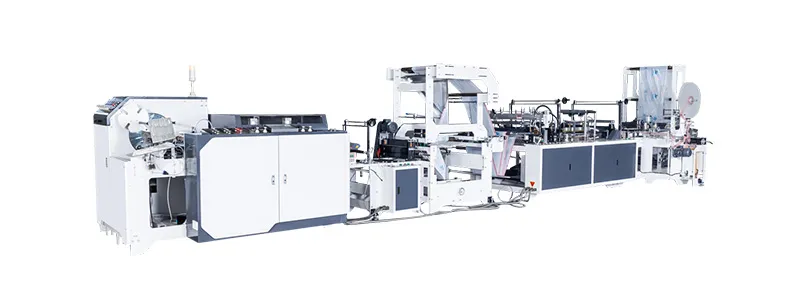
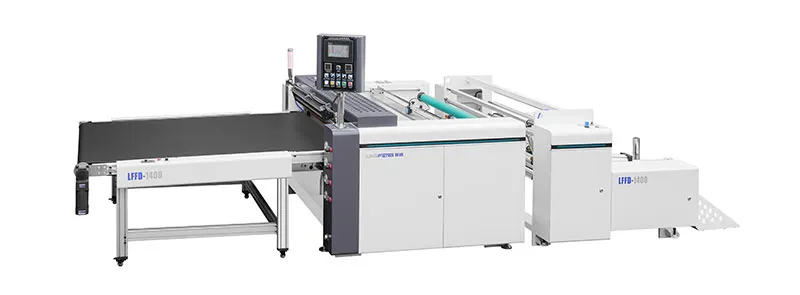
Bags on roll making machines convert flat or folded plastic film into finished rolls of perforated bags. The typical process includes the following stages:
- Film Unwinding: A roll of plastic film (often HDPE, LDPE, or blends) is mounted on an unwinding stand with tension control.
- Sealing and Perforation: The film passes through heated sealing rollers that create bottom seals and, depending on the bag style, side seals or star seals. A perforation blade or wheel creates tear lines between bags.
- Winding: The continuous web of sealed and perforated bags is wound onto a paper or plastic core. Automatic winding systems ensure consistent roll density and length.
- Optional Functions: Many machines include features like printing registration, embossing, drawstring insertion, and core loading.
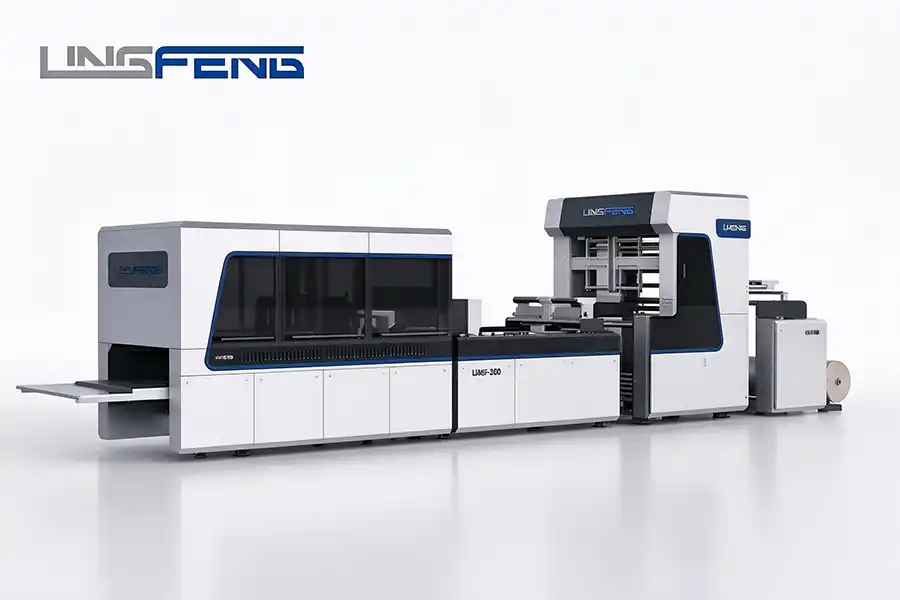
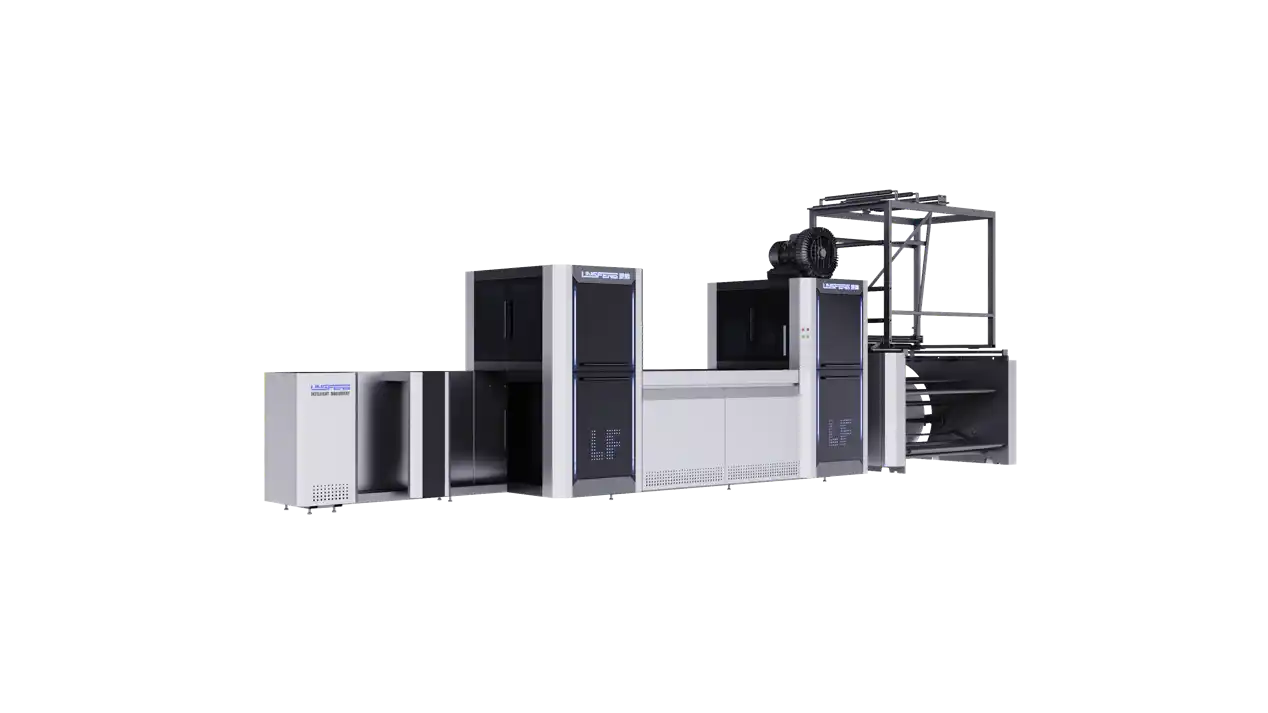
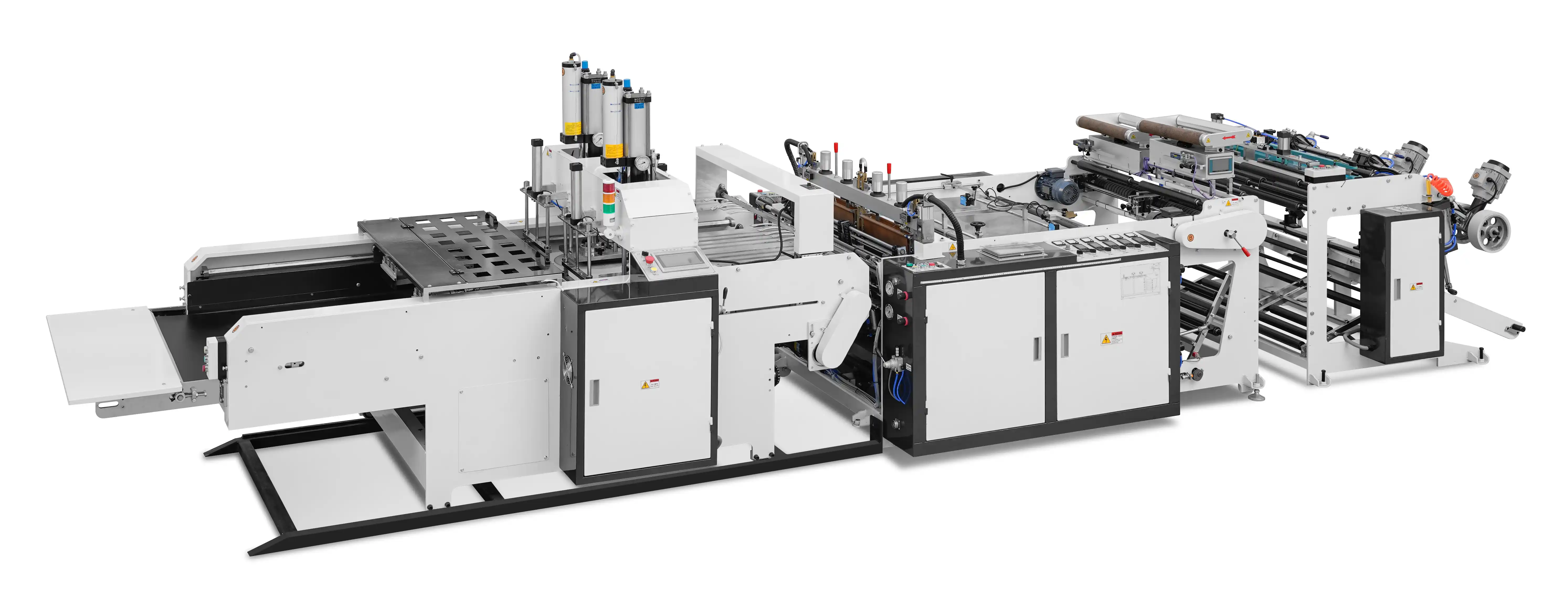
For example, a high-speed double-lines roller bag making machine can produce two lanes of bags simultaneously, doubling output. Advanced models incorporate servo-driven tension control and automatic roller changing to minimize downtime. To learn more about specific configurations for different bag styles, explore modern bag-on-roll production equipment.
What Materials Are Commonly Used for Bags on Roll?
The most common materials for bags on roll are polyethylene resins, primarily HDPE (high-density polyethylene) and LDPE (low-density polyethylene). HDPE offers strength and stiffness, making it suitable for produce bags and lightweight trash bags. LDPE provides more flexibility and puncture resistance, ideal for drawstring bags and heavier-duty applications. Some manufacturers also use LLDPE or biodegradable additive blends to meet environmental regulations. The choice of material affects sealing temperature, film thickness, and machine speed. When selecting a machine, verify compatibility with the intended film type and thickness range. For those working with environmentally sensitive products, biodegradable bag machinery can be a relevant consideration.
What Should You Consider When Selecting a Bags on Roll Making Machine?
Choosing the right machine requires evaluating several technical parameters that directly impact production efficiency, quality, and total cost of ownership.
- Speed and Output: Machine speeds are typically rated in bags per minute or meters per minute. High-speed machines (e.g., 150–200 bags per minute) are suitable for large-volume production. Double-lines configurations can effectively double output.
- Sealing Technology: Hot sealing (heat seal) is the most common. Star sealing is used for drawstring and T-shirt bags. Ensure the machine can produce consistent, leak-proof seals at required speeds. Specialized machines like T-shirt bag making machines often incorporate advanced sealing methods.
- Winding System: Options include surface winding and center winding. Automatic tension control is critical for producing tight, uniform rolls without wrinkles or telescoping.
- Perforation Method: Blade or knife perforation is standard. Some machines offer adjustable perforation depth and pitch to accommodate different bag lengths.
- Automation Level: Features such as automatic film splicing, core loading, and roll discharge reduce labor and increase uptime. Servo-driven systems improve accuracy and repeatability.
- Material Handling: The machine should handle the specific film width, thickness (typically 8–50 microns), and roll diameter. Some machines can process multiple lanes simultaneously.
These factors interact; for example, higher speed often requires more sophisticated tension control. It is advisable to test machines with your actual film and bag design before committing. For specific sealing styles, review bottom sealing bag making machines and side sealing bag making machines.
Applications and Market Trends for Bags on Roll
Bags on roll are ubiquitous in the packaging industry. Key application segments include:
- Retail and Grocery: Produce bags, bakery bags, and general merchandise bags.
- Food Service: Takeout bags, sandwich bags, and drawstring trash bags.
- Healthcare: Medical waste bags and disposable glove dispensing rolls.
- Industrial: Heavy-duty bags for waste or bulk materials.
Market trends include increasing demand for biodegradable and compostable films, as well as higher automation to reduce labor costs. Manufacturers are also exploring inline printing and customization to serve niche markets. For specialized applications such as medical waste bag production or heavy duty garbage bag manufacturing, dedicated machine configurations may be required. Visit the applications overview for a broader look at end-use possibilities.
Frequently Asked Questions
What is the typical lifespan of a bags on roll making machine?
With proper maintenance, a well-built machine can operate for 10–15 years. Key factors include the quality of heating elements, bearings, and servo motors. Regular servicing of sealing bars and perforation blades is essential.
Can one machine produce multiple bag styles?
Yes, many machines are designed with interchangeable sealing modules and adjustable perforation. For example, a machine can be configured for flat bags, star-sealed drawstring bags, or T-shirt bags by changing tooling. However, changeover time and cost should be considered.
What is the difference between a single-line and double-line machine?
A single-line machine produces one lane of bags at a time. A double-line machine produces two lanes simultaneously, effectively doubling output for the same floor space. Double-line machines are preferable for high-volume operations but require more precise control to maintain twin web tension.
How do I determine the correct film thickness for my bags?
Film thickness depends on the bag's end use. Light produce bags often use 8–15 micron HDPE. Drawstring trash bags may use 15–25 micron LDPE. Heavy-duty industrial bags can go up to 50 microns. Machine specifications will list a film thickness range; ensure your target thickness is within that range.
Are biodegradable films compatible with standard bags on roll machines?
Many standard machines can process biodegradable films (e.g., PLA, PBAT blends) with adjustments to sealing temperature and tension. However, some biodegradable materials have different shrink and melt characteristics, so it is recommended to test compatibility or consult the machine supplier. Machines designed specifically for biodegradable bag production are also available.
Conclusion
Bags on roll production is a mature yet evolving segment of plastic packaging manufacturing. Understanding the fundamental processes, material options, and machine features is essential for making informed procurement decisions. By focusing on core technical parameters—speed, sealing reliability, winding quality, and automation—manufacturers can select a system that balances output, flexibility, and total cost. For those beginning their evaluation, exploring specific machine types such as roll bag manufacturing systems provides a concrete starting point. Further investigation of complementary equipment, including T-shirt bag making solutions and bottom sealing bag making equipment, can offer additional perspective on varied production needs.