EN
EN
 ES
ES
 AR
AR


Article Overview: Compare bags on roll making machines by speed, automation, material compatibility, and core winding. A decision framework for CTOs and procurement teams evaluating production line equipment.
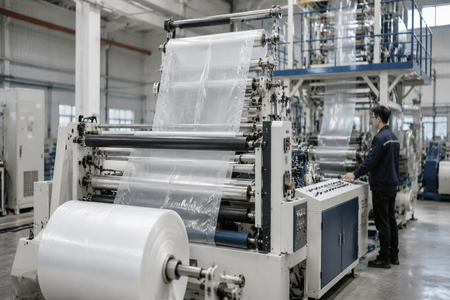

Article Overview: This guide provides an objective comparison framework for evaluating bags on roll making machines. It covers core machine types, key specification criteria, trade-offs in automation and material handling, and operational risks. The goal is to help technical decision-makers—CTOs, architects, procurement teams—match equipment capabilities to their specific production requirements without being swayed by marketing claims.
What Is a Bags on Roll Making Machine?
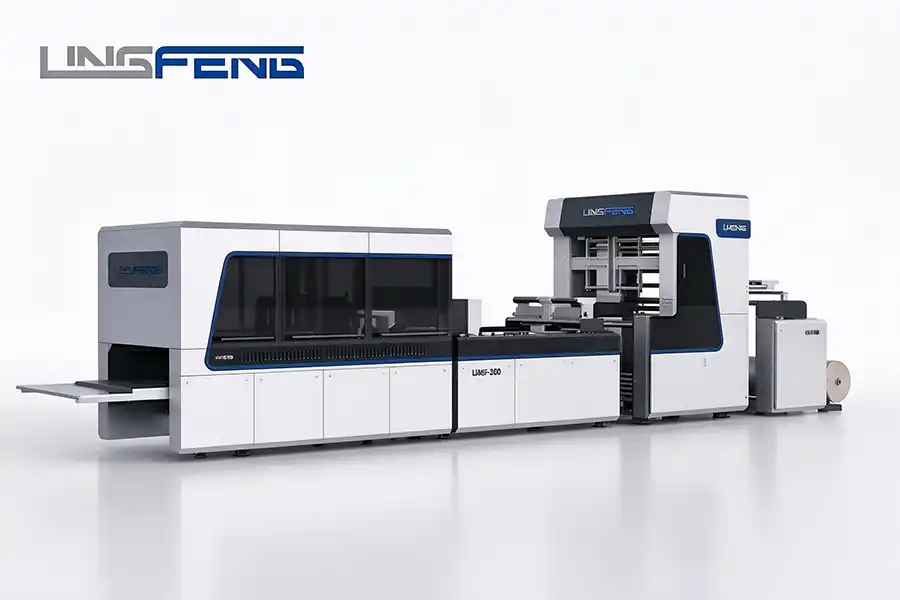
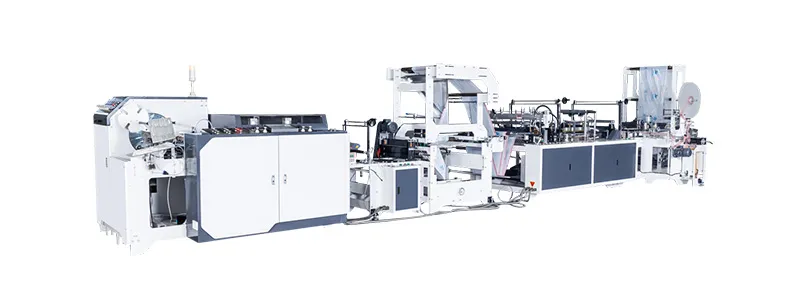
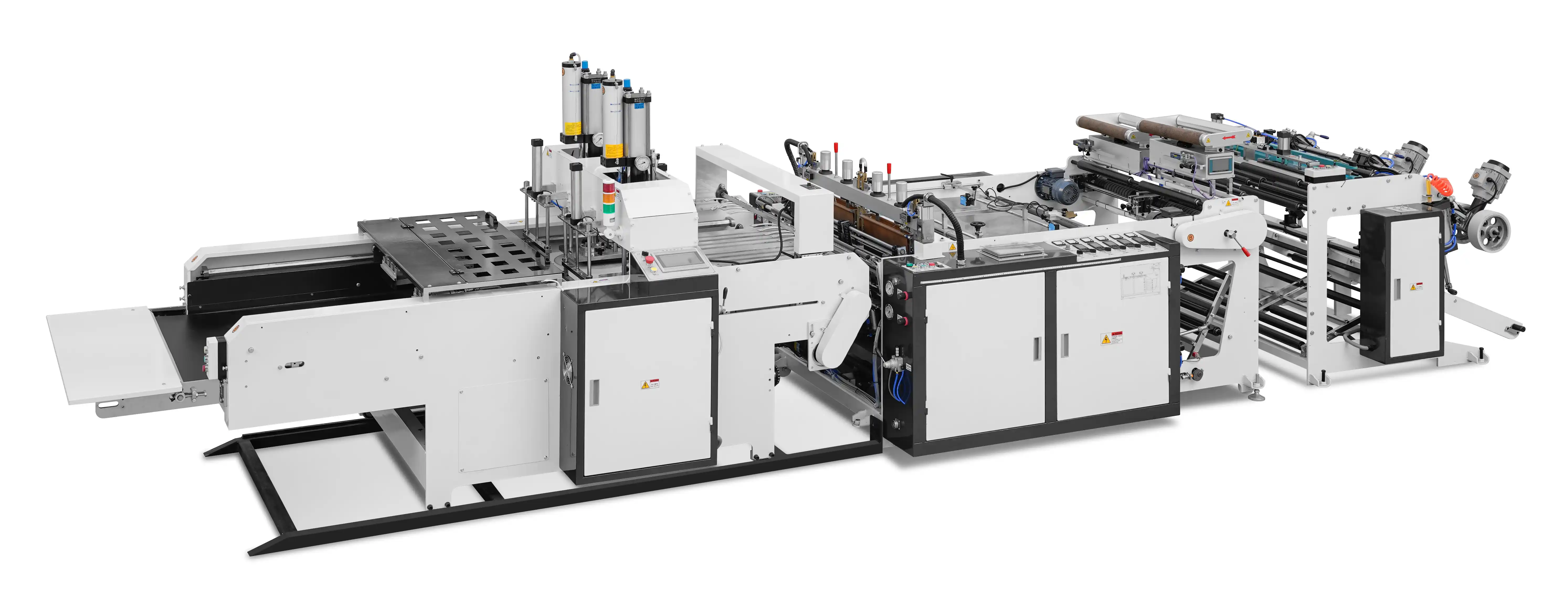
A bags on roll making machine is a specialized plastic bag production line that manufactures bags continuously wound onto a core, forming a roll. These rolls are used in retail, food packaging, waste management, and sanitary applications. The machine typically integrates unwinding, bag forming (bottom seal, side seal, or draw tape), perforation, folding if required, and rewinding onto a roll core. Key differentiating factors include the number of lanes (single or double lines), web width, sealing technology (heat sealing, ultrasonic), and the mechanism for core insertion and roll changing.
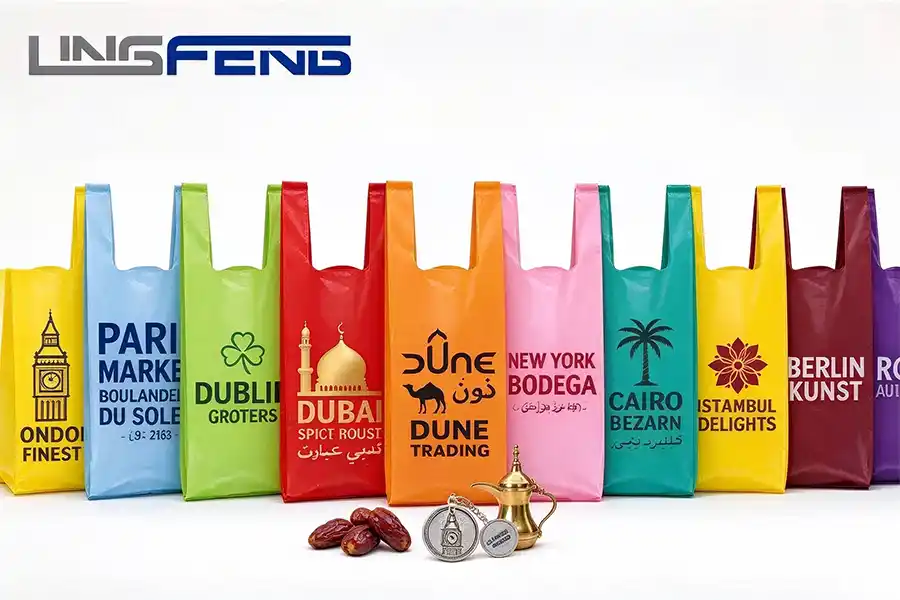
Common output types include T-shirt bags on a roll, draw tape bags, garbage bags on a roll, and flat bags on a roll. The same base machine platform often accommodates different bag styles through module changes. For example, a Bags On Roll Making Machines solution can be configured for either coreless or core-wound rolls, depending on downstream packaging or dispensing requirements.
Key Evaluation Criteria for Bags on Roll Equipment

When comparing machines, evaluation committees should focus on five core criteria that directly affect line efficiency, product quality, and total cost of ownership:
- Output Speed and Line Configuration: Single-line machines typically operate at 100–200 bags per minute, while double-line machines can exceed 300 bags per minute. The choice depends on volume targets and floor space. A T Shirt Bag Making Machines line, for instance, may prioritize high-speed cutting, whereas bags-on-roll lines emphasize accurate rewinding tension.
- Web Width and Material Compatibility: Common web widths range from 200 mm to 1200 mm. Machines must handle HDPE, LDPE, and biodegradable films. Check the allowable film thickness range—some machines handle 0.008–0.10 mm, others are optimized for heavier duty. Material stiffness affects sealing and winding behavior.
- Sealing and Perforation Quality: Heat sealing with servo-controlled temperature and pressure yields consistent seals. Some machines offer optional flying knife systems for clean perforation. Mismatched seal alignment can cause roll rejects.
- Roll Core Winding and Changing: Automatic core insertion and roll change reduce downtime. Systems like the RC-800/1000 automatic roller changer (as mentioned in evidence) enable continuous operation. Manual winding is cheaper but labor-intensive.
- Automation Level: From semi-automatic (manual core change, manual tension) to fully automatic (servo-driven tension, auto core insertion, EPC for edge positioning). Higher automation lowers labor but increases capital cost and maintenance complexity.
How to Match Machine Specifications to Your Production Needs?
Matching starts with identifying your bag specifications: width, length, gusset, thickness, and roll diameter. Map these to the machine's maximum web width and rewind capacity. For high-volume production, consider double-line machines such as the Full Automatic High Speed Double Lines Bags with Core On Roll Making Machine. These achieve higher throughput but require more floor space and a consistent film supply.
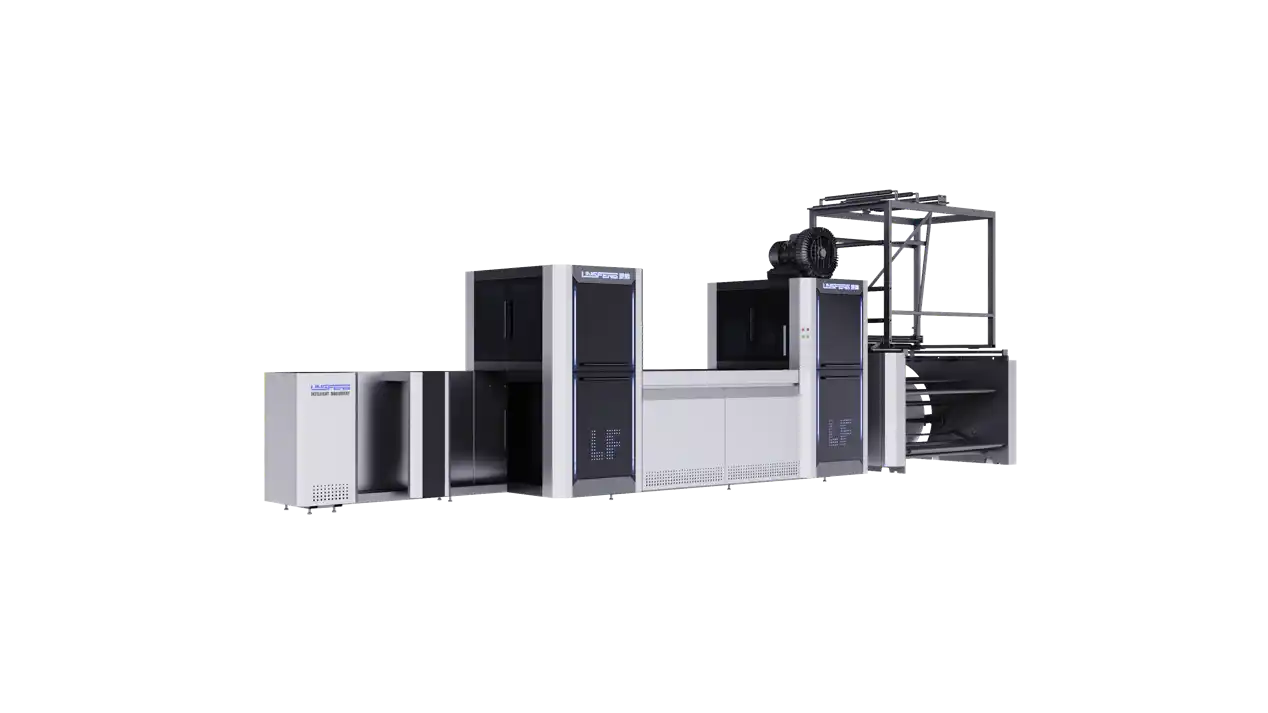
Example scenario: A mid-size packaging supplier producing 1 million sanitary bags per month might choose a single-line machine with automatic core changing and servo-driven tension to balance speed and operator oversight. In contrast, a large waste bag manufacturer with continuous 24/7 operations may invest in a double-line system with integrated film blowing (using Products like the RC series) to create a seamless extrusion-to-roll workflow.
Another critical factor is the bag design. Draw tape bags need a draw tape insertion module; T-shirt bags require a punch and cut unit. Verify that the machine platform supports the intended bag style without excessive changeover time.
Trade-offs in Automation, Speed, and Material Compatibility
Higher automation reduces labor costs but increases capital expenditure and technical support needs. A fully automatic machine with EPC, servo tension, and auto core change may cost 30–50% more than a semi-automatic equivalent. The breakeven depends on local labor rates and production volume. For operations with skilled technicians, advanced automation can yield faster return on investment through reduced waste and higher uptime.
Speed trade-offs involve material properties. Thicker films or biodegradable resins often require slower line speeds to maintain seal integrity. Running LDPE at maximum rated speed may cause film stretching; a conservative approach is to test at 80% of max speed initially. Similarly, machines optimized for HDPE may not handle co-extruded films well without seal bar adjustments.
Operating implications include training for setup and troubleshooting. Machines from Bottom Sealing Bag Making Machines lines often share mechanical principles with bags-on-roll equipment, so cross-training operators across lines is feasible. However, the rewinding section demands specialized knowledge—dancer arm tuning, core alignment, and tension profiling.
Operating Implications and Buyer-Side Risk Considerations
When evaluating bids, consider not just machine price but also:
- Spare parts availability: Are seal bars, knives, and belts locally stocked? Long lead times can halt production.
- Technical support response: Does the supplier offer remote diagnostics or on-site commissioning? Machines from international suppliers may face communication hurdles.
- Warranty and performance guarantees: Look for clauses that tie acceptance to throughput and waste percentages. For example, a 3% waste guarantee on a full automatic high-speed line can significantly affect profitability.
- Integration with upstream and downstream equipment: Ensure the machine can connect to your existing film blowing line (Bags On Roll production often feeds directly from extruders) or downstream automatic packaging systems.
Risk avoidance: Conduct a factory acceptance test (FAT) using your own film and core materials. Verify that the machine produces rolls with consistent outer diameter, no telescoping, and clean perforation. Request a trial run of at least one full shift to assess real-world uptime.
FAQ
What is the typical output speed of a bags on roll making machine?
Output varies widely: single-line machines run 100–200 bags per minute, double-line up to 400 bags per minute. Actual speed depends on bag size, material, and sealing method.
Can one machine produce both T-shirt bags and draw tape bags on a roll?
Some modular platforms allow changeover by swapping sealing and folding components. However, dedicated units for each style often yield better consistency and less downtime. Check with the manufacturer for changeover time and tooling costs.
How important is automatic core changing?
For high-volume production, automatic core change is critical to maintain continuous operation. It eliminates manual intervention and reduces cycle time by 10–20 seconds per roll. For lower volumes (fewer than 50 rolls per shift), manual core change may be acceptable.
What maintenance is required for the rewinding section?
Regular cleaning of tension sensors, dancer roller bearings, and core chucks. Seals and knives require periodic replacement. Servo motors need firmware updates and cable inspection. A preventive maintenance schedule should be part of the purchase agreement.
Conclusion
Selecting the right bags on roll making machine requires a systematic evaluation of production volume, bag specifications, automation level, and total cost of ownership. There is no single best machine; the optimal choice depends on your specific material mix, labor strategy, and quality requirements. Use the criteria outlined here—speed, web width, sealing technology, core winding, and integration readiness—to create a weighted scorecard for each candidate. Combine that with a hands-on trial and a clear understanding of support and spare parts logistics. For further exploration, compare related equipment like Side Sealing Bag Making Machines and Bottom Sealing Bag Making Machines to see how they complement your bags on roll line. Ultimately, a process-first mindset—prioritizing the bag design and production workflow before choosing the machinery—will lead to a more reliable and scalable investment.
Related site pages: Bags On Roll Making Machines, Home, Products, T Shirt Bag Making Machines, Bottom Sealing Bag Making Machines, Side Sealing Bag Making Machines.