
Article Overview: This guide helps procurement managers and project engineers evaluate suppliers and prepare an RFQ for a plastic bag production line. It covers line layout, capacity planning, supplier assessment, and procurement checkpoints to reduce risk and ensure a turnkey solution that meets production needs.
Contents
A plastic bag production line integrates extrusion, bag-making, punching, and rewinding into a continuous process. For buyers producing bags in high volumes—such as T-shirt bags, garbage bags, or carrier bags—a dedicated turnkey line reduces per-unit cost, improves consistency, and shortens lead times. Investing in a complete line rather than standalone machines minimizes integration issues and streamlines maintenance.
Before committing, you must define target bag types (e.g., bottom seal, side seal, star seal) and output speed (bags per minute). These requirements directly influence the choice of extruder, die, and bag-making machine. A well-designed plastic bag production line can achieve up to 200 bags per minute for standard flat bags, though specific capacity depends on film width, thickness, and sealing complexity. For example, a line producing 1000 kg of film per day may require a 55 mm extruder with a 600 mm die width. Such specifications should be validated with supplier data sheets.
List your target bag dimensions, film thickness, material (HDPE, LDPE, LLDPE, or biodegradable), and daily output volume. This forms the basis for line design. For instance, a line for 50×70 cm T-shirt bags at 30 microns may need a 1200 mm film width and a 70 mm extruder.
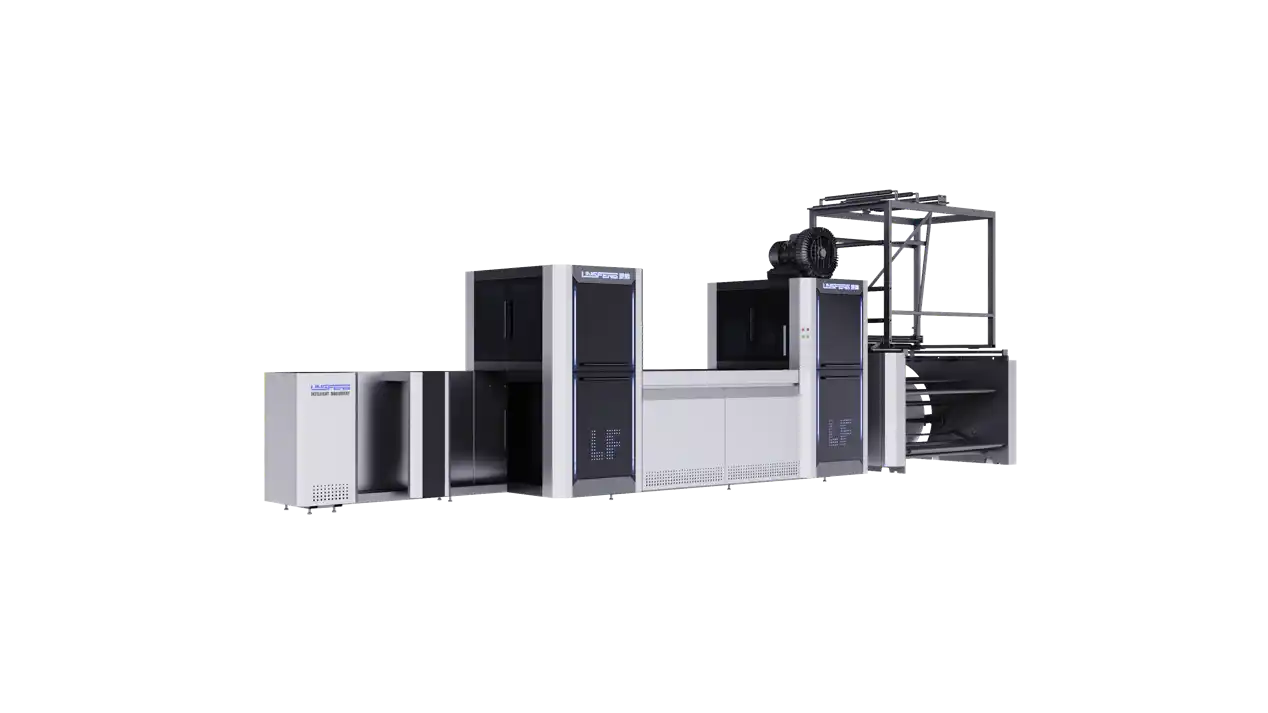
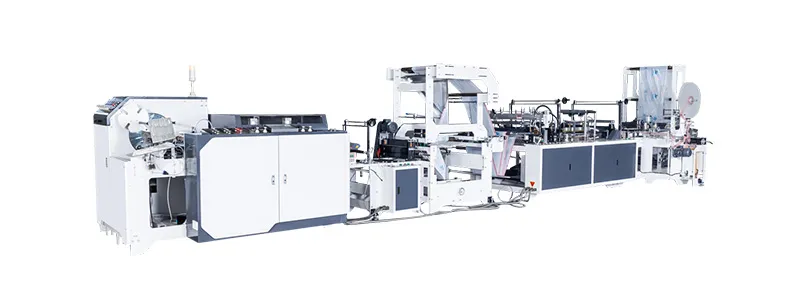
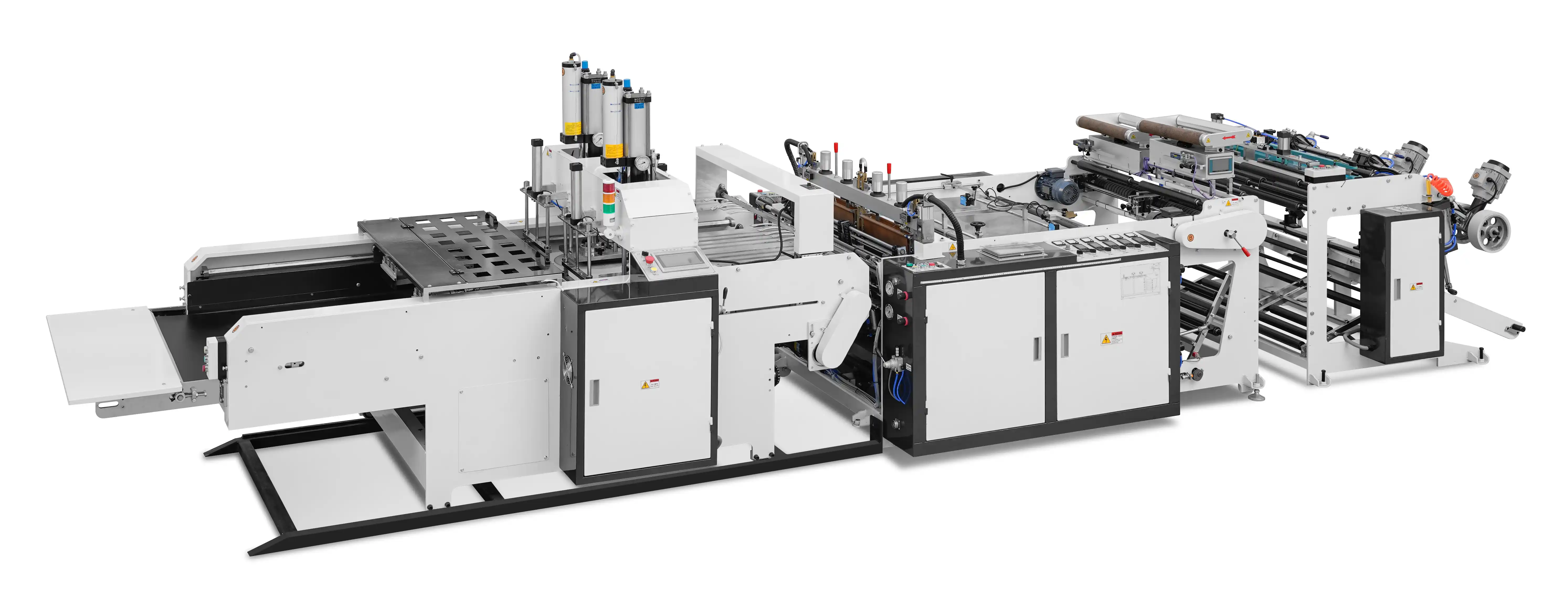
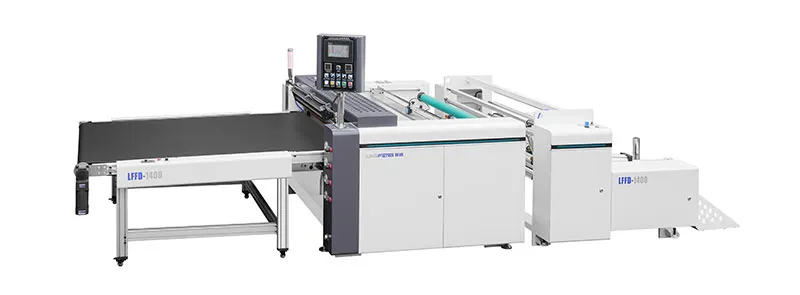
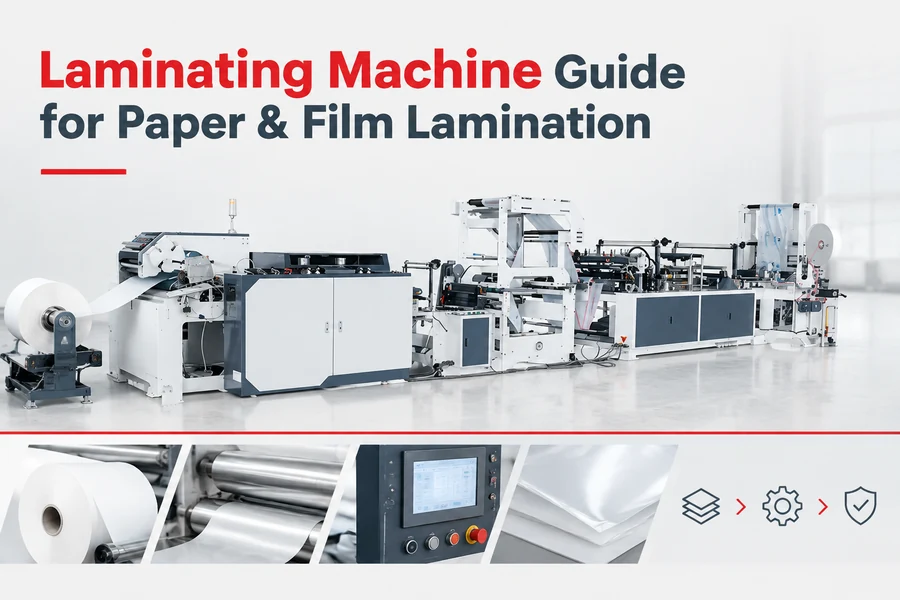
A typical plastic bag production line includes the following key stations. Understanding each component helps you evaluate supplier proposals and avoid gaps in the scope of supply.
When evaluating a supplier, ask whether they provide all components from a single source or integrate third-party modules. A turnkey vendor like Lingfeng Machinery offers a plastic bag production line that covers extrusion through finished bag packaging, reducing coordination risk.
An RFQ (Request for Quotation) is your tool to compare supplier proposals fairly. Include the following elements to get accurate, comparable bids for your plastic bag production line.
Supplier evaluation goes beyond price. Use a structured checklist to assess their ability to deliver a reliable turnkey solution.
After RFQ submissions, compare technical proposals line by line. Focus on extrusion capacity, bag-making speed, and energy consumption. Request a layout drawing showing floor space requirements (e.g., for a line producing 150 kg/h, you may need 25 m × 8 m).
Before signing a contract, verify these critical checkpoints to avoid costly errors.
What is the typical lead time for a custom plastic bag production line?
Lead time varies from 8 to 16 weeks depending on customization level and supplier workload. Built-to-order lines with special dies or automation take longer. Always include lead time in your contract to align with your project schedule.
Can a single plastic bag production line produce multiple bag types?
Yes, but with limitations. Many lines can switch between bottom-seal and side-seal by changing the bag-making module. However, drastic changes in bag dimension or film thickness may require downtime for mechanical adjustments. For high flexibility, consider a line with quick-change sealing bars and adjustable die gaps.
What maintenance is required for a plastic bag production line?
Routine maintenance includes cleaning the die head, lubricating bearings, inspecting seals, and replacing worn cutting blades. A preventive schedule extends machine life and reduces unplanned downtime. Ask your supplier for a recommended maintenance checklist and spare parts kit.
How do I calculate the ROI of a plastic bag production line?
ROI depends on your throughput, material cost, labor savings, and bag selling price. A typical line with 150 kg/h capacity and 85% uptime can produce ~1000 tonnes per year. Compare that against your current purchase cost of finished bags; the payback period is often 12–24 months for medium-scale operations. Use a simple spreadsheet with input costs, power, operator wages, and depreciation.
Setting up a plastic bag production line is a major capital decision that requires thorough planning. By defining your production parameters, crafting a detailed RFQ, and evaluating suppliers against technical and service criteria, you can select a turnkey solution that delivers consistent quality and fast payback. Start by documenting your bag specifications and reach out to reputable suppliers for a preliminary layout and quotation. For a comprehensive complete bag making solution that covers extrusion through packaging, consider Lingfeng Machinery as a partner in your project.



 EN
EN
 ES
ES
 AR
AR