EN
EN
 ES
ES
 AR
AR


Article Overview: This article provides a neutral, criteria-based comparison of draw tape and star seal bags on roll configurations. It covers operating principles, winder implications, material compatibility, and typical application fit to help procurement and engineering teams select the appropriate draw tape vs star seal bags on roll solution for their line. The focus is on draw tape vs star seal bags on roll, examining how each format impacts production complexity, end-user experience, and overall cost.
What Are Draw Tape and Star Seal Bags on Roll?
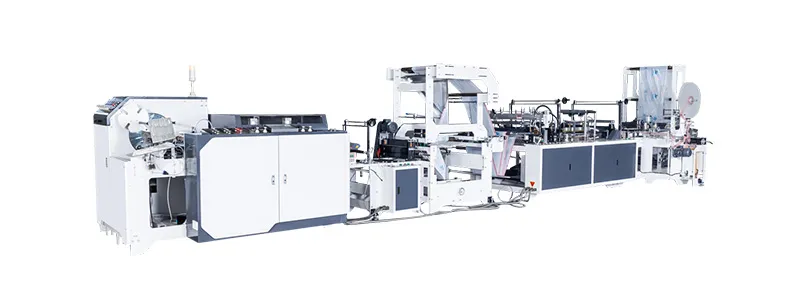
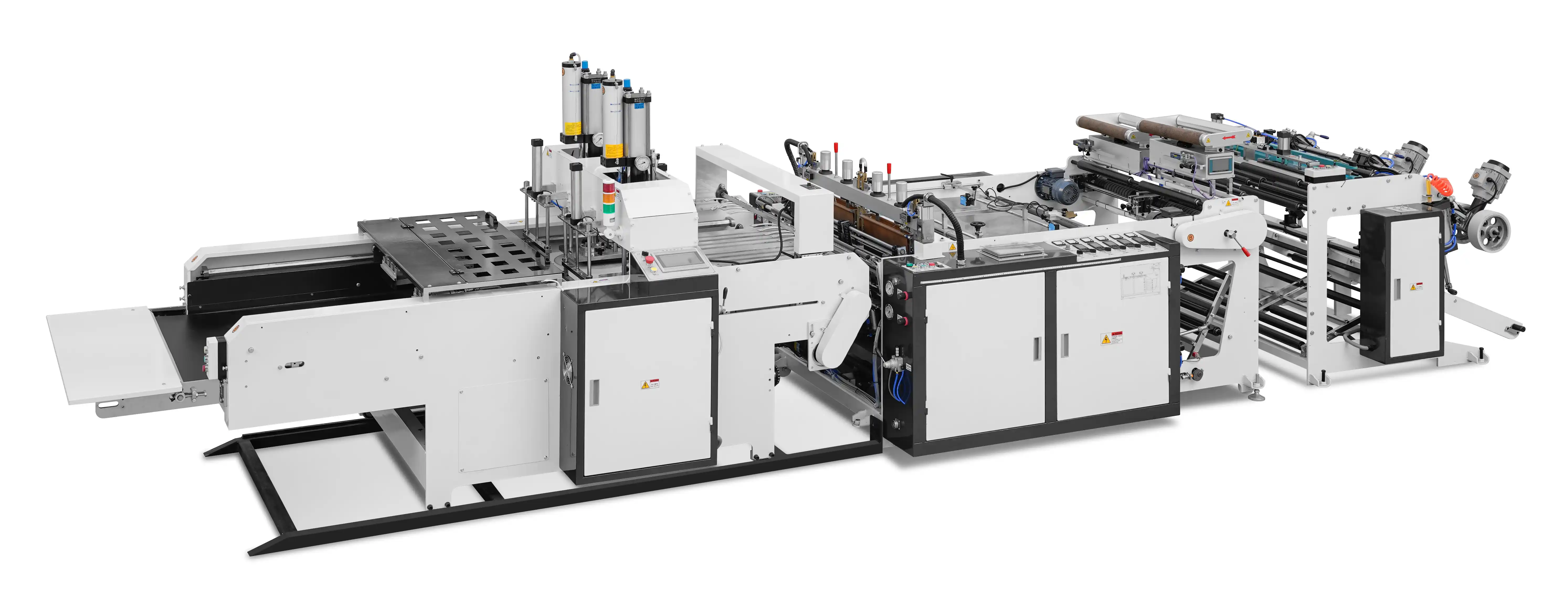
Draw tape bags on roll incorporate an integrated drawstring sealed within a folded hem at the bag top. When the user pulls the string, the bag cinches closed—a feature valued in consumer-facing applications such as kitchen and pet waste bags. Star seal bags on roll, by contrast, use a star-shaped bottom seal that allows the bag to be tied closed after filling. The star seal creates a flat, leak-resistant bottom, making these bags common in industrial waste, construction debris, and medical waste disposal. Both formats are produced on dedicated or convertible bag-on-roll making machines, with the primary differences lying in sealing stations, winding adjustments, and perforation patterns.
How Do Draw Tape and Star Seal Bags on Roll Compare by Key Criteria?
When evaluating draw tape vs star seal bags on roll, decision-makers should assess closure mechanism, winding complexity, material usage, and throughput. Below are two conceptual comparisons covering the most critical factors.
Closure Mechanism and User Experience
Option A (Draw Tape): The drawstring is inserted and sealed into a hem during production. End users pull the drawstring to close the bag—no separate tie required. This adds convenience and reusability but increases machine complexity (tape insertion, folding, and sealing stations).
Option B (Star Seal): The bag bottom is formed with a star-shaped seal, then the bag is tied shut by the user. No additional components are needed, simplifying the bag-on-roll making machine design. However, closure requires manual tying, which may be less convenient for high-volume use.
Buyer note: Choose draw tape if the end customer requires quick reclosure; choose star seal if simplicity and low per-unit cost are paramount.
Winding and Perforation Compatibility
Option A (Draw Tape): Drawstring alignment during winding is critical—misalignment can cause tangling or uneven tension. Center winding is often recommended. Perforation must be placed precisely between individual bags to avoid drawstring damage.
Option B (Star Seal): The star seal adds local thickness at the bag bottom, which can affect winding uniformity. Surface winding with or without a core is typical. Perforation is straightforward because no internal string interferes.
Buyer note: Validate that your bag-on-roll making machine’s winder type (center vs. surface) can handle the chosen format without modifications. Core diameter and roll length also differ between the two.
Additional considerations for draw tape vs star seal bags on roll:
- Material waste: Draw tape requires an extra strip of film for the drawstring, increasing material consumption by approximately 5-10% depending on design.
- Sealing quality: Star seal requires precise temperature control to avoid leaks; draw tape demands consistent hem sealing to prevent string pull-out.
- Speed: Star seal lines can run at slightly higher speeds (up to 120 bags/min in some configurations) due to simpler mechanics; high-end draw tape machines with shuttle systems can match or exceed this.
Which Application Fits Each Format Best?
The choice between draw tape vs star seal bags on roll often comes down to the end user's workflow. Below are typical scenarios for each format.
- Draw tape bags on roll: Best suited for retail consumer goods such as kitchen trash bags, dog waste bags, and drawstring garbage bags. The integrated closure appeals to convenience-driven buyers.
- Star seal bags on roll: Commonly used in heavy-duty waste management, construction, healthcare (non-hazardous waste), and industrial packaging. The simple tie-off works well when bags are not resealed multiple times.
In some procurement evaluations, the breakeven point occurs when the cost of the drawstring plus machine wear offsets the user convenience benefit. For high-volume, low-cost applications, star seal often wins; for premium consumer lines, draw tape commands a price premium.
Key Specification Comparison Table
| Criterion | Draw Tape | Star Seal |
|---|---|---|
| Closure type | Integrated drawstring | Star-shaped bottom seal (tie-off) |
| Machine complexity | Higher – tape insertion, folding, and sealing stations | Lower – simple sealing and perforation |
| Winder requirement | Center winding often recommended | Surface winding typical; core optional |
| Material compatibility | LDPE, HDPE, biodegradable blends | LDPE, HDPE, linear low-density |
| Bag opening | Easy open with drawstring pull | Open top; tie closure |
| Reusability | Possible if drawstring intact | Single use typical |
| Typical gauge range | 0.010–0.035 mm | 0.015–0.050 mm |
Note: Exact specifications vary by bag-on-roll making machine configuration and material formulation. Always validate with your equipment supplier.
How to Evaluate a Bags on Roll Making Machine for Your Format
Use the following decision framework to assess whether a draw tape or star seal bag-on-roll making machine aligns with your production goals.
Step 1: Define the end-use closure requirement
Determine if the end user needs reclosure (draw tape) or single-use tie-off (star seal). This drives the bag design and machine configuration. Example: In healthcare, star seal is often preferred for single-use waste bags; in retail, draw tape adds perceived value.
Step 2: Check material and film gauge
Draw tape bags often require thinner film for the drawstring area to maintain flexibility; star seal can accommodate thicker gauges for heavy loads. Verify that your bag-on-roll making machine can handle the selected film without frequent adjustments.
Step 3: Assess winding and core requirements
If you need cores for dispensing (e.g., in automatic bag dispensers), ensure the winder can produce consistent rolls with either format. Some machines offer changeover kits for draw tape vs star seal production—ask whether the conversion affects throughput.
Step 4: Run a cost-per-unit analysis
Factor in material cost (drawstring vs. seal-only), machine amortization, scrap rate, and labor. For long production runs, star seal may have lower per-bag cost; for niche consumer products, draw tape can justify a premium.
FAQ
Can the same machine produce both draw tape and star seal bags on roll?
Some modular bag-on-roll making machines can be configured for both formats, but typically require changeover parts and adjustments—such as replacing the sealing and tape insertion stations. Dedicated lines may offer higher throughput for each format. Consult the manufacturer for retrofit options and changeover time.
Which format has lower material waste?
Star seal generally generates less waste because it does not require an extra tape strip. However, draw tape bags may reduce over-packaging if end users reuse them. The net impact depends on the application lifecycle and disposal habits.
What is the typical speed difference between draw tape and star seal lines?
Star seal lines can run slightly faster due to simpler sealing geometry—up to 10-15% higher in some configurations. However, modern high-speed draw tape machines (e.g., shuttle system designs) achieve comparable outputs (80-120 bags/min). Validate specific speeds with the machine datasheet.
Conclusion: Making the Right Choice for draw tape vs star seal bags on roll
Deciding between draw tape vs star seal bags on roll requires a balanced view of end-user needs, production complexity, and total cost. Draw tape offers reclosure convenience at the expense of higher material and machine investment; star seal delivers simplicity and lower per-unit cost for single-use applications. For further information on bag-on-roll making machines, refer to a reliable draw tape vs star seal bags on roll solution provider to match your production requirements. Always validate with prototype runs and machine capability statements before committing to a format.