EN
EN
 ES
ES
 AR
AR


Article Overview: This comprehensive guide helps procurement professionals and decision-makers understand the key factors that determine bottom seal bag making machine cost. It provides a framework for evaluating supplier quotes beyond the price tag, explains how to prepare a detailed RFQ, highlights common purchasing mistakes, and answers frequently asked questions. For a detailed comparison of machine options, refer to the bottom seal bag making machine cost solutions page.
What Factors Drive Bottom Seal Bag Making Machine Cost?
Understanding the components of bottom seal bag making machine cost allows you to budget realistically and compare quotes on an apples-to-apples basis. While final prices vary depending on supplier, market conditions, and configuration, several consistent drivers influence the overall investment:
- Bag Width Capacity: The width of the bag the machine can produce is the single most significant geometric cost factor. Machines designed for wider film rolls require larger frames, heavier unwinds, and more robust sealing mechanisms. For example, a machine rated for 600 mm width will have a substantially lower bottom seal bag making machine cost than one rated for 1200 mm width.
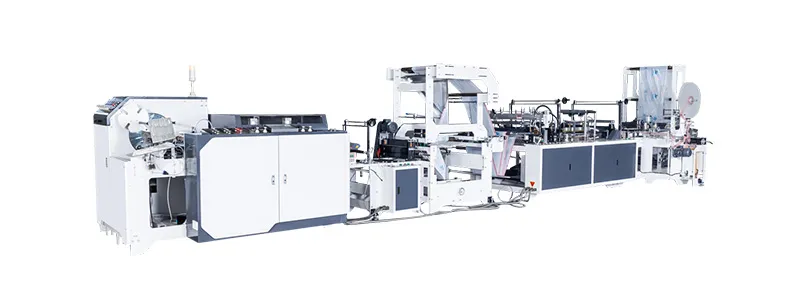
- Servo Drive System: Full servo-driven machines offer precise tension control, higher speed, and lower maintenance compared to clutch-brake systems. Although servo upgrades increase upfront cost, they reduce long-term operational expenses by improving energy efficiency and reducing wear.
- Automation Level: Options such as automatic stacking, counting, and packaging integration significantly boost productivity but also raise the bottom seal bag making machine price. Evaluate whether the level of automation matches your labor cost environment—high automation is beneficial in high-wage regions, whereas manual or semi-automatic models may be more cost-effective in lower-wage settings.
- Cutting and Sealing Technology: Flying knife, hot knife, and ultrasonic sealing each have different tooling costs and maintenance requirements. Hot knife is common for bottom seal bags but requires periodic replacement of the blade. Ultrasonic sealing, while more expensive upfront, offers longer life and better seal quality for certain materials.
- Material Compatibility: Machines designed for HDPE, LDPE, or biodegradable films require different sealing bar temperatures and controls. Multi-material machines typically cost more due to added flexibility.
- Brand and Certification: Established suppliers with CE, UL, or ISO certifications often price higher due to testing, compliance, and quality assurance costs. However, the peace of mind and reliability may justify the premium.
These factors interact. For instance, a high-speed machine with full servo drive and automatic stacker for wide bags will have the highest bottom seal bag making machine cost, whereas a basic manual unit for narrow bags will be at the lower end. Always align the configuration with your specific production volume and quality requirements.
How to Evaluate Bottom Seal Bag Making Machine Cost Beyond the Price Tag
A low bottom seal bag making machine price may conceal a higher total cost of ownership. Use the following three-phase evaluation to compare suppliers fairly and avoid hidden pitfalls.
Phase 1: Technical Compliance Check
Verify that each quoted machine meets your required bag dimensions (length, width, gusset), film thickness range, production speed (bags per minute), and seal quality. Request documented test results using a sample bag you supply. Reject any quote that does not specify these parameters clearly. A machine that fails to meet your technical baseline is not a bargain at any price.
Phase 2: Total Cost of Ownership (TCO) Analysis
Compare not just the purchase price but also installation costs, training fees, spare parts availability, energy consumption, and expected maintenance intervals. A machine with a slightly higher bottom seal bag making machine cost but lower power draw and fewer breakdowns often delivers a better return on investment over a five-year period. Include all ancillary costs, such as foundation work and electrical upgrades, which can add 10–20% to the initial budget.
Phase 3: Supplier Capability Review
Request references from other buyers in your industry, such as those producing retail bags or packaging materials. Confirm the supplier's after-sales support structure, typical response time for spare parts, and availability of remote troubleshooting. A reliable partner can prevent costly downtime. For example, a supplier offering a 24-hour hotline and local service network may justify a higher quote.
Document your findings in a comparison matrix, weighting each factor according to your operational priorities. Remember that the cheapest offer is rarely the cheapest in the long run when factoring in downtime and maintenance.
What Should You Include in Your RFQ for Bottom Seal Bag Making Machine Cost?
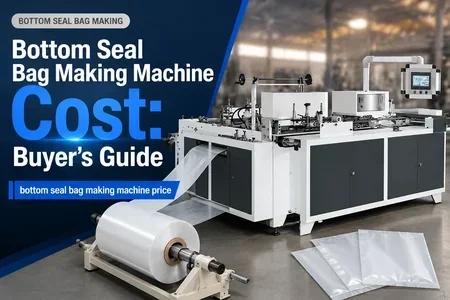
Sending a detailed RFQ reduces ambiguity and ensures you receive comparable bids. Below is a checklist of items to include when requesting bottom seal bag making machine price quotes from multiple suppliers.
- Bag Specification: Include bag length, width, gusset (if any), film thickness, and material type. Provide a physical sample if possible.
- Production Volume: State your required output per shift, for example, 10,000 bags per hour, and whether you need single or multi-line operation.
- Automation Preferences: Specify whether you need automatic stacking, counting, in-line printing, or packaging integration.
- Utility Requirements: Indicate available power supply (voltage, phase), compressed air pressure, and floor space dimensions.
- Installation and Training: Ask whether installation supervision, operator training, and documentation are included in the bottom seal bag making machine cost.
- Warranty and Service: Request warranty period, a spare parts list with prices, and the average response time for technical support.
Send the same RFQ to at least three suppliers to get a balanced view. Evaluating responses side-by-side helps you identify hidden costs and value-added services, such as extended warranties or free training.
What Are Common Procurement Mistakes When Buying a Bottom Seal Bag Making Machine?
Even experienced buyers can overlook critical details when purchasing a bottom seal bag making machine. Here are five frequent pitfalls and how to avoid them.
- Ignoring installation costs: Foundation work, electrical upgrades, and conveyor integration can add 10–20% to your budget. Include these in your TCO from the start.
- Specifying too much speed: A machine rated at 200 bags per minute may never achieve that in real production due to film slippage or sealing dwell time. Ask for sustained speed under your actual film and bag conditions.
- Overlooking spare parts availability: If a critical component, such as a servo motor or sealing bar, takes weeks to arrive, your line stops. Confirm lead times and consider stocking key spares.
- Neglecting operator training: High-end features are wasted if operators cannot use them. Insist on on-site training as part of the purchase agreement.
- Failing to test with your film: Different film formulations behave differently during sealing and cutting. Always request a trial run with your actual material before committing to a purchase.
Procurement success comes from balancing upfront bottom seal bag making machine cost with long-term reliability and support. Take the time to validate each claim with evidence.
FAQ
What is the typical price range for a bottom seal bag making machine?
It is difficult to provide a fixed price because configurations vary widely. Entry-level machines for standard bags may start around $8,000–$12,000, while high-speed, fully automated lines with servo drives and stackers can exceed $30,000. Always request a quote tailored to your exact specifications. For a broad overview of pricing, consult a bottom seal bag making machine cost comparison resource.
How does bag width affect the bottom seal bag making machine cost?
Larger bag widths require heavier frames, wider sealing bars, and more powerful unwinds. A machine for bags up to 600 mm width is generally less expensive than one for 1200 mm width. Expect a proportional increase in price as width capacity rises. For instance, a 1000 mm width machine may cost 30–50% more than a 600 mm model from the same supplier.
Should I buy a new or used bottom seal bag making machine?
Used machines have lower upfront cost but may lack modern servo controls, have higher maintenance needs, and come without warranty. For stable production and lower total cost of ownership, a new machine with support is usually preferable unless your volume is very low or intermittent. If considering used, factor in refurbishment costs and the risk of outdated technology.
What is the difference between entry-level and high-speed machines?
Entry-level machines often use clutch-brake drives, manual tension control, and basic stacking. High-speed machines use full servo drives, automatic tension adjustment, flying knife cutting, and integrated stackers. The high-speed option has a higher bottom seal bag making machine price but delivers significantly more output per shift, often achieving 150–200 bags per minute compared to 60–100 for entry-level models.
How long does installation and training typically take?
Installation usually takes 1–3 days depending on site preparation. Operator training can be completed in 1–2 days. Some suppliers offer remote setup assistance to reduce travel costs. Include these timeframes in your project plan and confirm whether they are included in the quoted bottom seal bag making machine cost.
Conclusion
Understanding bottom seal bag making machine cost involves more than comparing price tags. By focusing on the technical drivers—bag width, servo drive, automation, material compatibility—and evaluating total cost of ownership, you can select a machine that delivers reliable, high-quality output for years. Use the RFQ checklist and procurement checkpoints above to streamline your supplier evaluation. For a structured side-by-side comparison of features and pricing, explore the bottom seal bag making machine cost comparison page and connect with multiple suppliers to obtain tailored quotes.