EN
EN
 ES
ES
 AR
AR


Article Overview: This article provides procurement managers and engineers with a practical framework for selecting a bottom seal machine for flat and garbage bags. It covers key specifications, supplier evaluation criteria, common mistakes, and actionable steps to prepare for an RFQ.
What Is a Bottom Seal Machine for Flat and Garbage Bags?
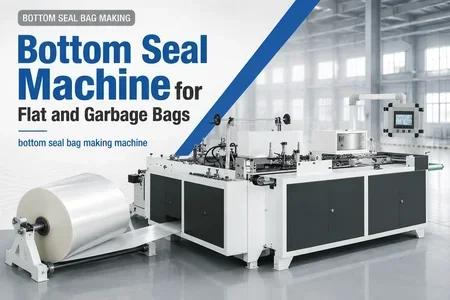
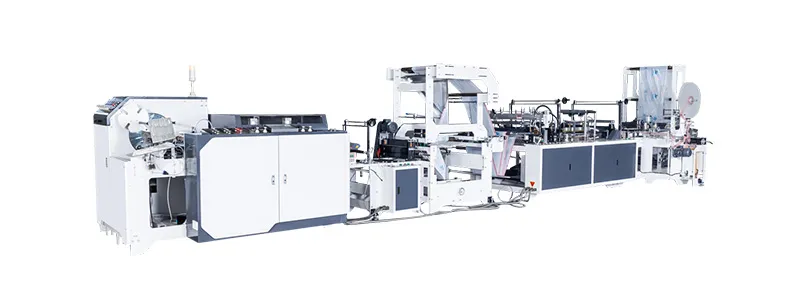
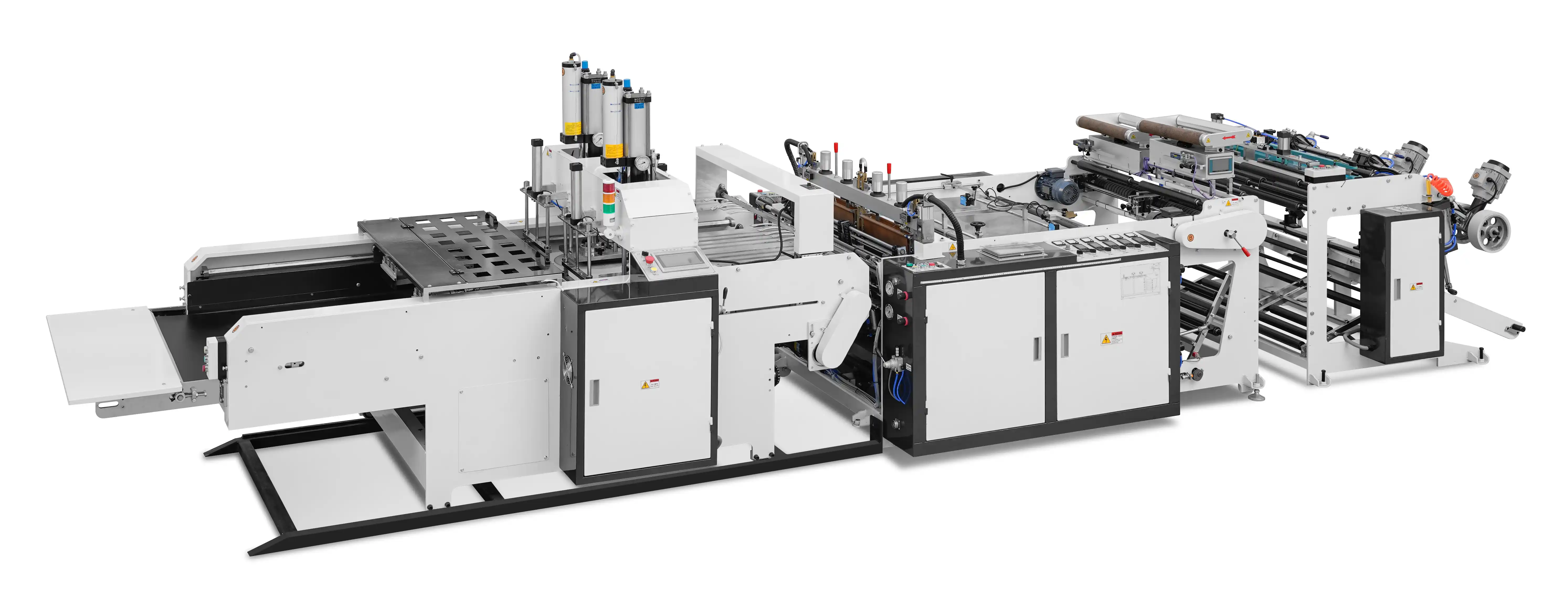
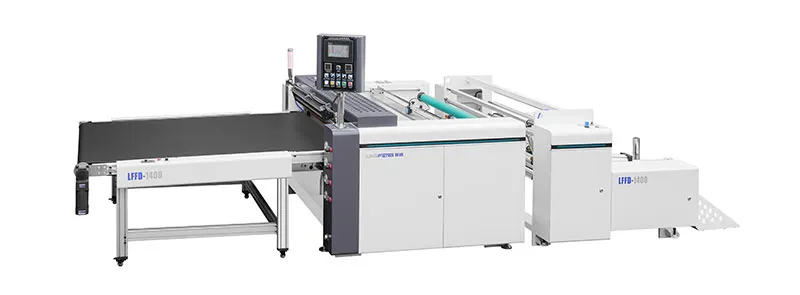
A bottom seal machine for flat and garbage bags is a plastic bag making line that produces bags by sealing the bottom edge transverse to the film web. Unlike side seal machines that seal the sides of a pre-folded tube, bottom seal machines start with a flat film roll and create individual bags with a bottom seal. They are versatile for both thin HDPE/LDPE flat bags (used in retail, packaging) and heavy-duty garbage bags (used in waste management, industrial disposal). The machine typically includes unwinding, sealing, cutting, and optional stacking or winding units.
When evaluating a bottom seal machine for flat and garbage bags, buyers must consider the bag size range, film thickness, material compatibility (including recycled content), and sealing accuracy. The ability to switch between bag types quickly is a key operational factor for many manufacturers.
Key Specifications to Validate Before Purchase
Before sending an RFQ, ensure the machine can handle your required bag dimensions and materials. Below is a checklist of critical parameters:
- Maximum bag width and length: Typically 200–1500 mm width; length up to 2000 mm or more depending on model.
- Film thickness range: Standard machines handle 0.01–0.20 mm; heavy-duty versions up to 0.35 mm.
- Sealing system: Servo-driven sealing head provides consistent pressure and temperature; mechanical clutches are cheaper but less precise.
- Cutting method: Hot knife vs. cold knife; hot knife also seals the bag end but may leave a bead.
- Speed: Expressed in bags per minute (e.g., 80–200). Higher speed requires robust film handling and tension control.
- Automation level: Automatic stacking, punching (for die-cut handles), and packaging integration reduce labor cost.
- Material compatibility: Confirm ability to run HDPE, LDPE, LLDPE, bio-based films, and post-consumer recyclate.
Document your own bag specifications before comparing quotes. Use these points as a baseline for supplier questionnaires.
How to Evaluate Supplier Capabilities and RFQ Responses?
When you receive proposals from manufacturers, use a structured process to validate their fit. The following steps help you assess technical and commercial aspects systematically.
Step 1: Define Your Production Requirements
Prepare a clear specification sheet: bag width, length, thickness, material, output per shift, and any special features (e.g., gusset, star sealing, embossing). This will be the basis for comparing proposals.
Step 2: Request Technical Datasheets
Ask each supplier for a datasheet that lists motor type (servo vs. step vs. chain), sealing jaw width, cooling system, power consumption, and spare parts list. Compare side-by-side to identify gaps.
Step 3: Ask About Changeover Time
For a bottom seal machine for flat and garbage bags, time to switch between bag sizes directly impacts production flexibility. Servo-controlled models often feature programmable size change within seconds; mechanical adjustment may take 15–30 minutes.
Step 4: Request Customer References and Trial Data
Ask for contact details of buyers running similar applications. If possible, arrange a factory visit or video trial using your own film and bag design. Confirm sealing strength (e.g., peel test results) and dimensional accuracy.
Step 5: Evaluate After-Sales Support
Check spare parts availability, warranty terms, and technical support response time. Suppliers with local agents or remote diagnostics can reduce downtime significantly.
For a detailed walkthrough of specific models, review the bottom seal machine for flat and garbage bags product range to see how different configurations address these criteria.
What Are Common Procurement Mistakes with Bottom Seal Machines?
Even experienced buyers sometimes overlook key factors. The following list highlights frequent pitfalls and how to avoid them.
- Ignoring material compatibility: Some machines have narrow temperature bands and may not seal biodegradable films or high-recyclate mixes. Request a material test before purchase.
- Over-specifying speed: A machine rated for 200 bags/min requires consistent film quality and high-speed unwinding. If your production volume is moderate, a 120 bags/min model with better reliability may offer lower cost of ownership.
- Neglecting sealing pressure adjustment: Fixed-pressure systems cannot compensate for film thickness variations. Servo-controlled pressure adjustment is recommended for multi-product lines.
- Underestimating floor space and utilities: Large machines require adequate ventilation, compressed air, and electrical capacity. Check the supplier's layout recommendations.
- Skipping spare parts review: Sealing belts, heaters, and photoelectric sensors wear out. Confirm local sourcing or supplier warehouse stock.
By addressing these points early, you reduce the risk of costly modifications after installation.
FAQ
What is the difference between a bottom seal machine and a side seal machine?
A bottom seal machine creates bags by sealing across the film width, producing bags with a seal at the bottom only. Side seal machines seal the sides of a pre-folded film tube, often used for T-shirt bags. Bottom seal machines are more suitable for flat bags and garbage bags without handles.
Can a bottom seal machine for flat and garbage bags produce gusseted bags?
Many bottom seal machines can be equipped with gusset forming attachments to produce bags with side folds. This is common for garbage bags that need a flat bottom or specific volume capacity. Confirm with the supplier if gusseting is integrated or requires an add-on module.
How do I determine the servo motor requirement?
Servo motors provide precise control over bag length, sealing position, and speed. If your bags require tight length tolerances (±1 mm) or frequent size changes, full servo drive is recommended. For constant, large-volume runs of the same bag size, mechanical drives with servo-assisted feeding may be sufficient.
What is the typical maintenance frequency for a bottom seal machine?
Routine maintenance includes daily cleaning of sealing jaws, weekly lubrication of drive chains (if any), and monthly inspection of belts and sensors. Replace sealing elements every 6–12 months depending on production volume. Refer to the manufacturer's manual for specific intervals.
Conclusion
Selecting the right bottom seal machine for flat and garbage bags requires a careful balance of technical specifications, supplier reliability, and total cost of ownership. Use the checkpoints in this article to structure your RFQ and supplier evaluation. Document your bag requirements precisely, validate supplier claims with sample tests, and plan for after-sales support. A well-chosen machine will deliver consistent output and low downtime, supporting your production goals for years. To start your evaluation, explore the available bottom seal machine for flat and garbage bags configurations and request a quote tailored to your application. For a broader view of bag making equipment, visit the Products page to compare different lines.