English
 Español
 عربي
عربي 

Article Overview: This procurement guide provides a structured checklist for t-shirt bag and T Shirt Bag Making Machines. Aimed at buyers and decision-makers, it covers key evaluation criteria, supplier assessment, cost-risk tradeoffs, and actionable next steps to ensure a successful investment.
What Are the Critical Procurement Checkpoints for T-Shirt Bag?
Purchasing a t-shirt bag requires more than price comparison. Buyers must verify specifications match end-use requirements such as thickness, dimensions, handle cut-out style, and material type (HDPE, LDPE, recycled content). The following checkpoint checklist ensures quality and consistency:
- Material Composition: Confirm resin grade and additive package (UV stabilizers, color masterbatch). Request certificates of analysis for each batch.
- Dimensional Tolerances: Measure bag length, width, gusset depth, and handle opening against defined standards. Use digital calipers on samples.
- Seal Strength: Perform burst tests and leak tests on bottom and side seals. Minimum strength targets should be agreed in the specification sheet.
- Print Quality: If customization is required, assess registration accuracy, ink adhesion via tape test, and color consistency under standardized lighting.
- Packaging and Lead Time: Define unit packaging (polybag, box, pallet configuration) and acceptable delivery windows. Include penalty clauses for late shipments.
- Environmental Compliance: Verify recycled content percentage if applicable, and check for biodegradability certifications relevant to your market.
These checkpoints align supplier output with your procurement specifications, reducing costly rejections. Always request pre-production samples and a quality control plan before committing to large volumes.
How to Evaluate T Shirt Bag Making Machines Suppliers?
When sourcing T Shirt Bag Making Machines, a systematic evaluation process is essential. Use the following step-by-step approach to assess both technical capability and commercial reliability.
Step 1: Define Production Requirements
Identify the bag types you need to produce (star-seal, bottom-seal, on-roll), target output speed (bags per minute), working widths, and material types. This forms the basis for machine selection and ensures the supplier understands your volume and flexibility needs.
Step 2: Assess Machine Specifications
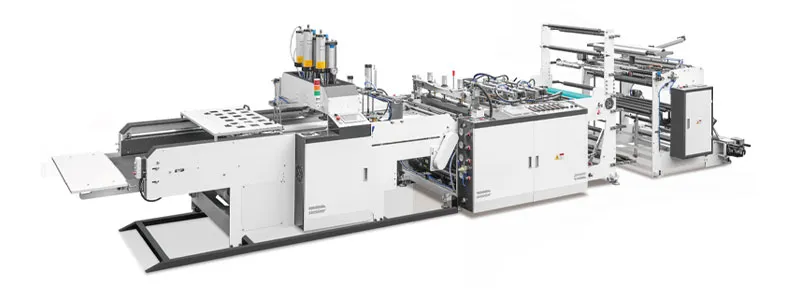
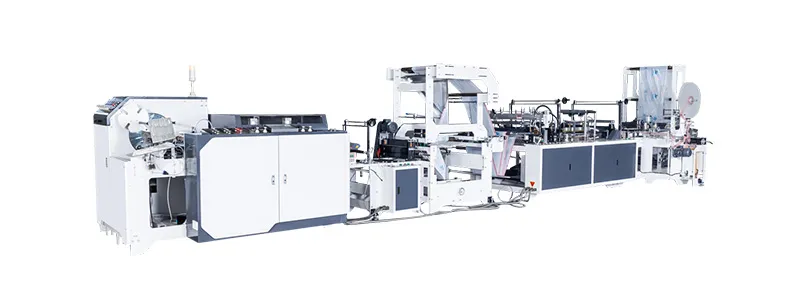
Compare servo motor versus mechanical drive systems, sealing methods (impulse, constant heat), automation level (PLC, HMI, servo tension control), and safety features. Request detailed datasheets and, if possible, witness a live trial with your bag specification. Note: T Shirt Bag Making Machines solutions often include modular options that allow future upgrades.
Beyond technical specs, evaluate the supplier’s after-sales support: spare parts availability, warranty terms, installation and training services. Request customer references and visit installed lines if feasible. For supplementary equipment, such as Bottom Sealing Bag Making Machines, apply similar due diligence to maintain consistent quality across your production.
What Cost-Risk Tradeoffs Should Buyers Consider?
Investing in a t-shirt bag production line involves balancing upfront capital against long-term operational costs. Key tradeoffs include:
- Machine Price vs. Output Efficiency: Higher-speed machines reduce per-bag labor and overhead costs but require a larger initial investment. Calculate payback period based on projected volume.
- Automation Level vs. Maintenance Complexity: Fully automated systems with integrated stackers and counters reduce manual handling but may require specialized technicians for troubleshooting. Simpler machines are easier to maintain but more labor-intensive.
- Material Versatility vs. Changeover Time: Multi-purpose units handle various bag sizes and materials but often require longer setup changes. Dedicated lines achieve faster changeovers but limit product flexibility.
Conduct a total cost of ownership (TCO) analysis that includes energy consumption, spare parts consumption (sealing tapes, blades), expected downtime for maintenance, and scrap rates. A transparent supplier will provide historical data to support your calculation.
Implementation Outcomes and Next-Step Actions
Successful procurement leads to consistent t-shirt bag quality, reduced waste, and faster order fulfillment. After selecting a T Shirt Bag Making Machines system, follow these actions to minimize integration risk:
- Negotiate a detailed contract with clear acceptance criteria, payment milestones, and performance guarantees.
- Schedule factory acceptance testing (FAT) at the supplier’s facility with your raw materials and bag design.
- Plan on-site installation, operator training, and a trial production phase before full ramp-up.
- Establish a spare parts inventory and preventive maintenance schedule aligned with the supplier’s recommendations.
- Define key performance indicators (e.g., uptime, output rate, scrap percentage) and set review cadence after installation.
These steps accelerate time to full production and ensure the investment delivers the expected return.
FAQ
What should buyers evaluate first about t-shirt bag?
Start with fit, evidence-backed requirements, and supplier proof relevant to t-shirt bag before shortlisting vendors.
How can teams reduce procurement risk for t-shirt bag?
Use structured comparison, validate specifications early, and review implementation or quality checkpoints with documented evidence.
Related articles
- T-Shirt Bag Guide: Production Methods and Applications
- How to Build a Defensible t-shirt bag Shortlist
- T-Shirt Bag Machine Procurement Checklist & RFQ Tips
Conclusion
Procuring t-shirt bag production equipment requires a disciplined approach that balances technical fit, supplier reliability, and cost efficiency. Use the checkpoint and evaluation steps outlined above to guide your decision. Start by linking your requirements to a proven T Shirt Bag Making Machines solution, and proceed with structured validation to achieve a sound investment.