EN
EN
 ES
ES
 AR
AR


Article Overview: This article provides an educational introduction to the t-shirt bag, a widely used plastic bag with a distinctive handle cutout. It explains the bag’s design, the production process involving T Shirt Bag Making Machines, key machine components, material considerations, and common applications. The goal is to help readers understand the basics of this packaging product and the machinery used to manufacture it, supporting informed decision-making for potential buyers or industry newcomers.
What Is a T-Shirt Bag?
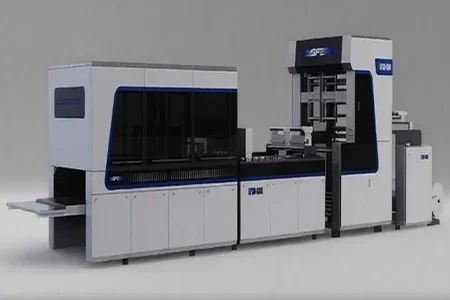
A t-shirt bag is a type of plastic bag with a central body and two die-cut handles at the top, resembling the silhouette of a t-shirt. These bags are typically made from low-density polyethylene (LDPE) or high-density polyethylene (HDPE) film. They are commonly used in retail stores, supermarkets, and takeaway food services because of their lightweight, cost-effectiveness, and ease of carrying. The design allows the bag to hold moderate-weight items securely while providing comfortable handholds. The term "t-shirt bag" is standard in the packaging industry and is directly linked to the machinery that produces them, known as T Shirt Bag Making Machines.
How Are T-Shirt Bags Produced?
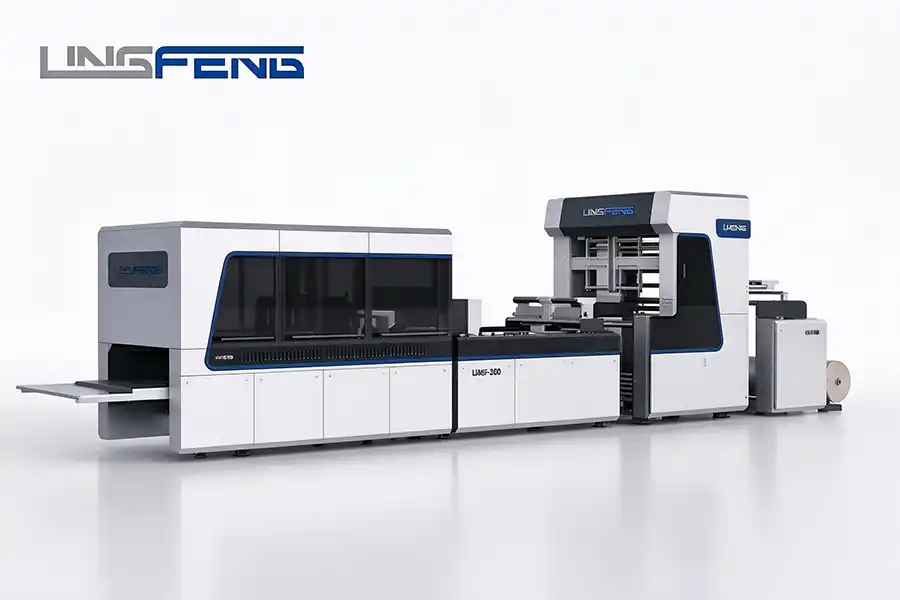
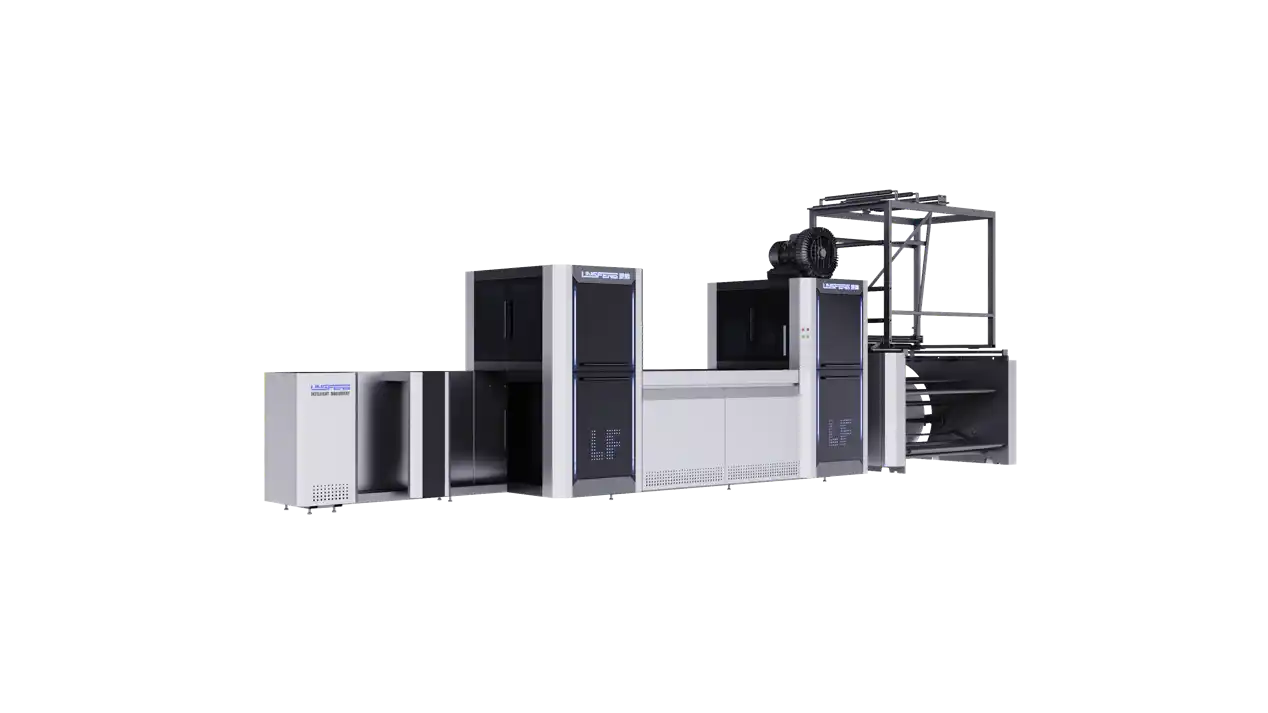
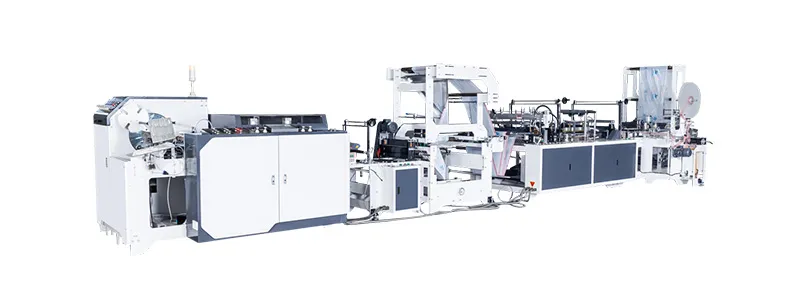
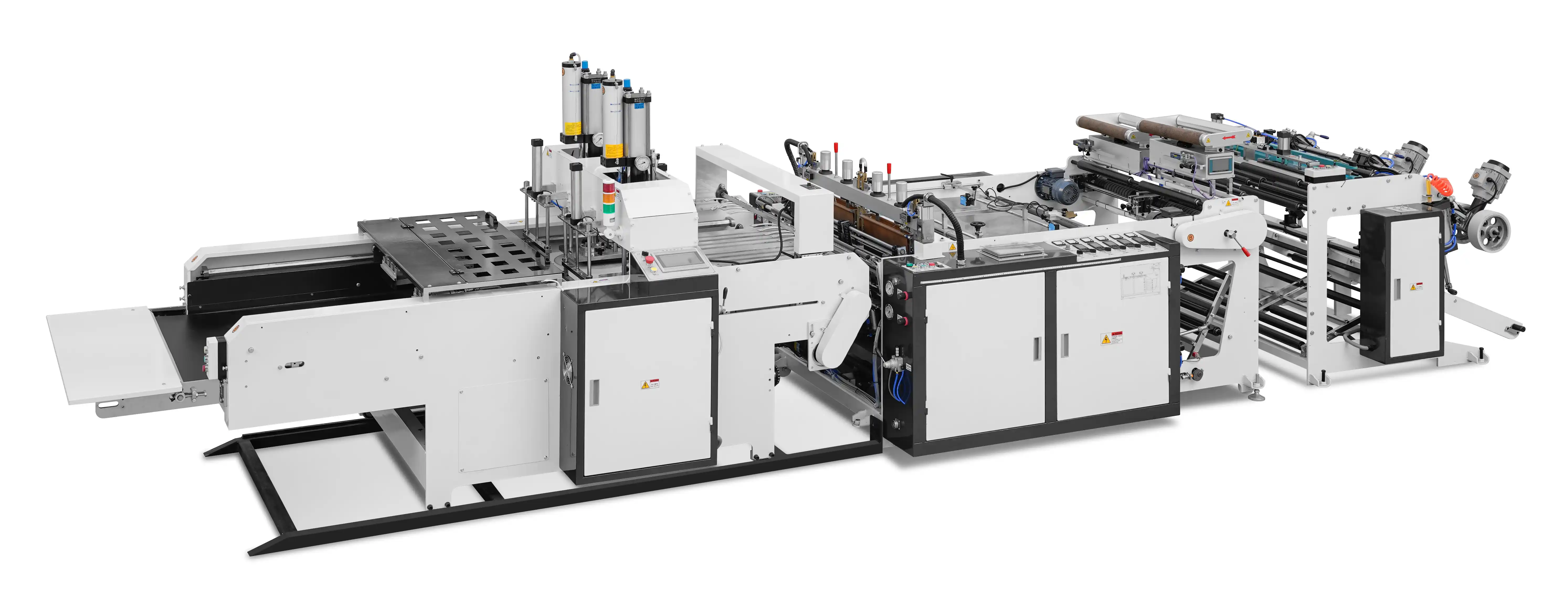
The production of t-shirt bags involves a series of steps that convert raw plastic resin into finished bags. Understanding this process helps buyers appreciate what to look for in a manufacturing line. The core equipment is the T Shirt Bag Making Machine, which integrates several functions.
Step 1: Extrusion of Plastic Film
Raw plastic pellets (usually LDPE or HDPE) are fed into an extruder, melted, and blown into a tubular film. This film is then cooled and wound into rolls. The thickness and width of the film are controlled to meet the desired bag specifications. The quality of the film directly affects the strength and appearance of the final t-shirt bag.
Step 2: Printing (Optional)
If the bags require branding or information, the film rolls are sent to a printing press. Flexographic printing is commonly used for t-shirt bags, applying one to six colors. This step is typically performed before bag conversion, though some machines integrate inline printing.
Step 3: Bag Making on the T Shirt Bag Making Machine
The printed or plain film roll is mounted on the T Shirt Bag Making Machines. These machines perform several operations in sequence:
- Unwinding the film from the roll.
- Sealing the bottom of the bag (bottom seal) using heated bars.
- Cutting the handle shape (the “t-shirt” cutout) using a die-cutting station.
- Separating individual bags from the continuous web.
- Stacking and counting the finished bags for packaging.
Modern machines are highly automated and can produce thousands of bags per hour. Key parameters include sealing temperature, cutting speed, and alignment precision.
What Are the Key Components of a T-Shirt Bag Making Machine?
Buyers exploring T Shirt Bag Making Machines should understand the main parts that influence performance and output quality. Here is a breakdown of essential components:
- Unwinding unit – holds the film roll and maintains tension to prevent wrinkles.
- Sealing mechanism – heated bars or servo-driven sealers that create the bottom seam. Precise temperature control is critical for strong seals.
- Handle cutting station – uses die sets to punch out the handle shape. Worn dies can cause rough edges or incomplete cuts.
- Perforation or cut-off unit – separates individual bags, either by cutting or perforating for tear-off.
- Stacking and counting conveyor – organizes finished bags into stacks and counts them for packaging.
- Control system – PLC and servo drives that synchronize all moving parts. Advanced machines allow recipe storage for different bag sizes.
For a deeper look at related machinery, see our Bottom Sealing Bag Making Machines page, which shares similar sealing technology.
How Do T-Shirt Bag Making Machines Ensure Quality?
Quality control in t-shirt bag production involves monitoring several factors. The T Shirt Bag Making Machines are designed to maintain consistent seal strength, handle cut accuracy, and bag dimensions. Modern machines use sensors to detect film misalignment or seal failures. Regular maintenance of heating elements and cutting dies is essential. Buyers should consider machines with easy-access panels for cleaning and part replacement. Many manufacturers also offer servo-driven models that reduce waste and improve energy efficiency. For example, using a T Shirt Bag Making Machines solution with programmable logic control can minimize downtime and allow quick changeovers between different bag sizes.
What Are the Common Applications of T-Shirt Bags?
T-shirt bags are ubiquitous in the retail and food service sectors. Common uses include:
- Grocery store checkouts – for packing purchased items.
- Clothing retail – as shopping bags with handles for easy carrying.
- Takeaway restaurants – for delivering food orders.
- Convenience stores – for small to medium purchases.
- Pharmacy and drugstores – for over-the-counter products.
The bag's design allows it to be opened quickly by shaking or using a thumb at the handle cutout. Many jurisdictions have regulations regarding single-use plastics, so manufacturers increasingly produce t-shirt bags from recycled content or biodegradable materials. The same machines can often run these alternative films with adjustments. For more on sustainable options, see our Biodegradable Bags page.
What Should Buyers Consider When Choosing a T-Shirt Bag Making Machine?
Investing in T Shirt Bag Making Machines requires careful evaluation. Here are key points:
- Production speed – measured in bags per minute. Match to your volume requirements.
- Bag size range – ensure the machine can handle the smallest to largest bag dimensions you need.
- Material compatibility – can it run HDPE, LDPE, recycled, or biodegradable films?
- Automation level – automatic stacking and counting can reduce labor costs.
- Servo vs. mechanical – servo-driven machines offer greater precision and less waste.
- Brand reputation and support – look for manufacturers with strong after-sales service.
Many suppliers offer trial runs or sample production using your materials. It is advisable to request a demonstration and check the machine's construction quality. Also consider the availability of spare parts. For general support on bag making equipment, refer to the Products page for an overview of available machinery.
FAQ
What is a t-shirt bag used for?
A t-shirt bag is a plastic shopping bag with die-cut handles, commonly used in retail and grocery stores to carry purchased items. It is lightweight, economical, and easy to handle.
What is the difference between a t-shirt bag and a flat bag?
A t-shirt bag has handles cut from the bag body, while a flat bag is a simple rectangular pouch without handles. Flat bags are often used for packaging smaller items or as inner liners.
Can T Shirt Bag Making Machines handle biodegradable materials?
Yes, many modern T Shirt Bag Making Machines can process biodegradable and compostable films, though machine settings may need adjustment for different material properties. Always verify compatibility with the manufacturer.
How do I maintain a T Shirt Bag Making Machine?
Regular maintenance includes cleaning sealing bars, lubricating moving parts, sharpening or replacing cutting dies, and checking electrical connections. Follow the manufacturer’s service schedule for optimal performance.
What is the typical output of a T Shirt Bag Making Machine?
Output varies by machine size and technology, but typical speeds range from 80 to 150 bags per minute for standard automatic models. High-speed servo machines can exceed 200 bags per minute.
Conclusion
The t-shirt bag remains a staple in the packaging industry due to its practicality and low cost. Understanding the production process and the capabilities of T Shirt Bag Making Machines empowers buyers to make informed purchasing decisions. This article has covered the definition of a t-shirt bag, step-by-step manufacturing, key machine components, quality considerations, and application areas. Whether you are a new manufacturer or looking to upgrade equipment, focusing on the right machine features and material compatibility will help you achieve efficient and consistent bag production. For further reading, explore our Applications page to see how different bag types are used across industries, or return to the Home page for an overview of all our solutions.