EN
EN
 ES
ES
 AR
AR


Article Overview: This guide helps procurement managers and decision-makers navigate the t-shirt bag making machine selection process. It covers bag width, thickness, production targets, line count, servo options, changeover, gusset, punch, and stacker needs. You'll learn RFQ parameters, supplier evaluation criteria, and risk controls to ensure a successful purchase.
Why T-Shirt Bag Making Machine Selection Is Critical
Choosing the right t-shirt bag making machine is a high-stakes decision that directly impacts production efficiency, product quality, and long-term operational costs. A poor selection can lead to frequent breakdowns, inconsistent bag dimensions, and wasted raw materials. Conversely, a well-matched machine maximizes throughput, minimizes waste, and delivers a strong return on investment. This section explains why your t-shirt bag making machine selection must align with your bag specifications, production volume, and factory layout. Whether you are starting a new production line or upgrading existing equipment, understanding the core parameters—such as bag width (typically 200–600 mm), film thickness (15–80 μm), and daily production target (pcs/day)—is the foundation of a sound procurement decision. Begin your t-shirt bag making machine selection by mapping these requirements to available machine configurations, including the number of lanes, servo motor options, and automation features like automatic gusseting or hole punching.
What Bag Specifications Drive Your Machine Choice?
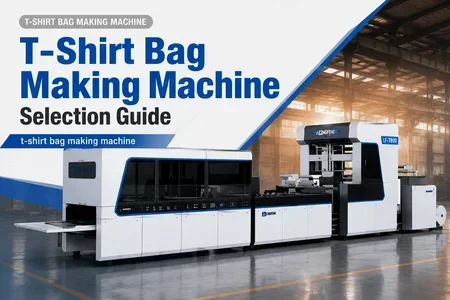
Before evaluating any machine, define your bag specifications precisely. Your t-shirt bag making machine selection should be driven by these key variables:
- Bag Width and Length: Typical widths range from 200 mm to 600 mm. Ensure the machine can handle your maximum required width, and consider future product variations.
- Film Thickness: Common thicknesses are 15–80 μm. Thicker films require more robust sealing and cutting mechanisms, which may influence the machine's servo power and heating system.
- Bag Design Features: Decide if your bags need a gusset, punch handle, star seal, or wicketing. Some machines offer modular add-ons for these features, but they must be specified early in the t-shirt bag making machine selection process.
- Production Volume: Calculate your target output in pieces per day. High-volume lines may need dual-lane or multi-lane machines with automatic stacking and packaging.
Once these specifications are documented, you can match them against the technical data sheets of shortlisted machines. Most suppliers provide compatibility charts; use them to narrow your t-shirt bag making machine selection.
How to Evaluate Production Speed and Line Configuration?
Production speed is often measured in cycles per minute (CPM) or bags per hour. However, actual throughput depends on the line configuration. Use this step-by-step approach to assess speed requirements:
Step 1: Determine Your Target Daily Output
Calculate the number of bags needed per day, including a 10–15% buffer for peak demand or unplanned downtime. For example, if you need 50,000 bags per day and run two 8-hour shifts, your machine should deliver at least 3,125 bags per hour.
Step 2: Match Speed to Machine Type
Check the machine's maximum CPM rating. A single-lane machine may run at 60–80 CPM; a dual-lane can achieve 120–160 CPM. However, raw CPM doesn't account for downtime from film roll changes or jam clearing. Always request real-world throughput data during your t-shirt bag making machine selection process.
Step 3: Consider Servo vs. Mechanical Drives
Servo-driven machines offer faster acceleration, precise positioning, and easier format changes. For high-speed production with frequent bag size changes, servo systems are strongly recommended. This choice is a major factor in your t-shirt bag making machine selection for a flexible production environment.
Key Factors in T-Shirt Bag Making Machine Selection for Your Production Line
Beyond speed and specifications, several technical features should influence your t-shirt bag making machine selection:
- Changeover Speed: How quickly can the machine switch between bag sizes? Quick-change tooling reduces downtime.
- Gusset Mechanism: If you produce gusseted bags, ensure the gusset assembly is robust and adjustable.
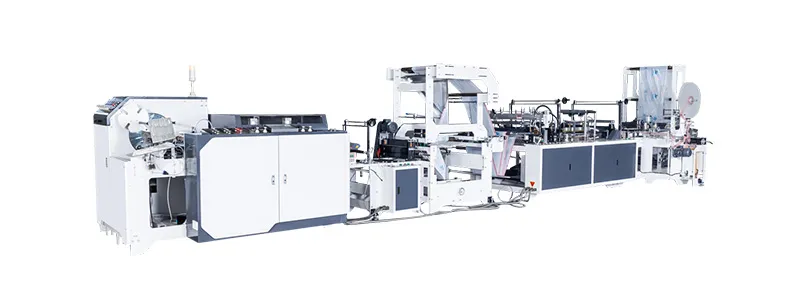
- Punch and Stacker Options: Automatic punching and stacking improve consistency and reduce labor costs. Evaluate the reliability of these sub-systems.
- Sealing Technology: Star sealing, flat sealing, and bottom sealing each have tradeoffs in bag strength and aesthetic. Test samples if possible.
- Energy Consumption: Servo machines generally consume less power than older hydraulic or pneumatic systems. Include energy costs in your total cost of ownership analysis.
Each of these features contributes to the overall efficiency and reliability of your production line. A thorough t-shirt bag making machine selection process will weigh these factors against your budget and long-term goals.
Supplier Evaluation and Risk Controls
Selecting a supplier is as important as the machine itself. Use these criteria to evaluate potential partners during your t-shirt bag making machine selection:
- Track Record: Ask for references in your industry. A supplier with experience in t-shirt bag production will understand common pitfalls.
- After-Sales Support: Confirm availability of spare parts, technical support, and on-site training. Downtime is costly.
- Warranty and Service Agreements: Standard warranties cover 1–2 years; extended options may be negotiable.
- Certifications: Look for CE, UL, or ISO certifications that indicate compliance with safety and quality standards.
To reduce selection risk, request a sample production trial or visit an existing installation. Many suppliers offer machine videos or customer testimonials—use these as supplementary evidence. Additionally, prepare a detailed RFQ that includes your bag specifications, production targets, and desired features. This helps suppliers provide accurate quotes and shortens your t-shirt bag making machine selection timeline.
For a deeper understanding of related machinery, explore our t-shirt bag making machine selection solutions, which cover a range of configurations from single-lane to high-speed multi-lane models. If your production also involves bottom-sealed bags, you may find the bottom sealing bag making machines page useful for comparison.
FAQ
What should buyers evaluate first about t-shirt bag making machine?
Start with fit, evidence-backed requirements, and supplier proof relevant to t-shirt bag making machine before shortlisting vendors.
How can teams reduce procurement risk for t-shirt bag making machine?
Use structured comparison, validate specifications early, and review implementation or quality checkpoints with documented evidence.
Related articles
- Plastic Bag Making Machine Cost Procurement Checklist
- Top T-Shirt Bag Making Machine Manufacturers
- Setting Up a Plastic Bag Production Line: Turnkey Guide
Conclusion
In summary, effective t-shirt bag making machine selection requires careful alignment of bag specifications, production targets, and machine features. By following a structured procurement process—defining requirements, evaluating technical options, and vetting suppliers—you can avoid costly mistakes and secure a machine that delivers long-term value. Always verify performance claims with real-world data and consider total cost of ownership including energy, maintenance, and spare parts. A well-chosen machine will boost your production efficiency and product quality, supporting your business growth.