EN
EN
 ES
ES
 AR
AR


Article Overview: This article explains the primary plastic bag machine types used to produce common bag styles such as T-shirt bags, side seal bags, bottom seal bags, and bags on roll. It provides a technical overview of each machine category, how they correspond to bag designs, and key factors for procurement and engineering teams evaluating production lines.
What Are the Main Plastic Bag Machine Types?
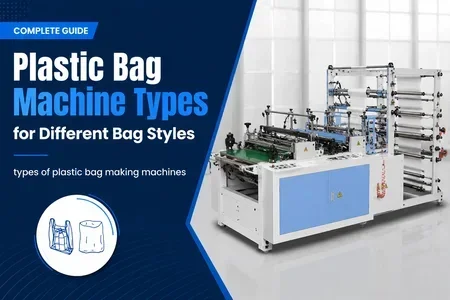
Plastic bag machine types are generally categorized by the sealing and cutting mechanisms they employ to form different bag geometries. The four most common categories in industrial production are:
- Side sealing bag making machines – produce bags with seals along the vertical edges; used for flat bags, courier pouches, and specialty shapes.
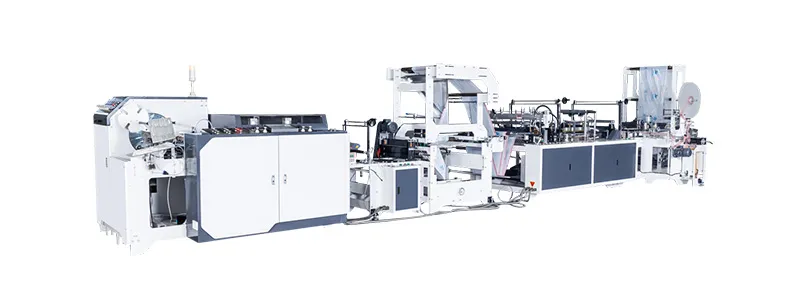
- Bottom sealing bag making machines – create bags with a seal at the bottom; typical for T-shirt bags, shopping bags, and some vest-style bags.
- Bags-on-roll making machines – produce continuous perforated bags wound on rolls; common for produce bags, garbage bags, and drawstring bags.
- Other specialized machines – including those for heavy-duty bags, biodegradable films, and custom handles.
Each machine type is optimized for a specific film path, sealing bar configuration, and cutting system (hot knife, cold knife, or perforation). Understanding these distinctions helps technical buyers align machine selection with end-product requirements.
How Do Plastic Bag Machine Types Correspond to Bag Styles?
The bag style dictates which plastic bag machine type is appropriate. Below is a mapping of common bag styles to the machine category that typically produces them:
- T-shirt bag (vest bag): Produced primarily on bottom sealing bag making machines with a hot knife or die-cut handle punch. The machine unwinds flat film, folds it, seals the bottom, and cuts the bag shape while simultaneously cutting out the handle openings.
- Side seal bag (flat or gusseted): Made on side sealing bag making machines. The film is folded, then sealed and cut along the sides. These machines can produce pouches with bottom or side gussets for a three-dimensional shape.
- Bags on roll (core or coreless): Produced on bags-on-roll making machines. The machine seals and perforates the film at regular intervals, then rewinds the continuous strip onto a roll. Drawstring versions use a shuttle system to insert a cord.
- Bottom seal bag (flat bag): Often made on bottom sealing machines with a simple seal bar. These are common for packaging small items, hardware, or food.
For a broader view of how these machine categories serve different production needs, visit the plastic bag machine types for different applications page.
Technical Considerations for Selecting Plastic Bag Machine Types
Choosing among plastic bag machine types requires evaluating your production parameters. Below is a phased evaluation workflow commonly used by engineering managers.
Phase 1: Define Bag Specifications
Document the bag dimensions, film thickness (gauge), seal width, handle style (if any), and desired output per minute. This data determines the required sealing bar length, servo motor size, and cycle time capability.
Phase 2: Match Machine Type to Bag Geometry
Select a side sealing machine if side seals dominate; choose bottom sealing for bottom-only seals. For bags-on-roll, confirm the perforation pattern and roll core diameter. If multiple bag styles are planned, a machine with modular changeover parts may be justified.
Phase 3: Evaluate Material Compatibility
Check whether the machine can process HDPE, LDPE, LLDPE, or biodegradable films. High-speed machines often require specific film quality to avoid sealing defects. Discuss material trials with the OEM before committing.
These steps help procurement teams narrow options and justify capital expenditure.
What Are the Typical Applications for Each Machine Type?
Different industries favor specific plastic bag machine types. The following list highlights typical end-uses:
- Retail and supermarkets: T-shirt bags (bottom sealing machines) for checkout counters, produce bags (bags-on-roll machines) for loose items.
- Logistics and courier: Side seal pouches for shipping documents and small packages; bottom seal bags for heavier items.
- Food packaging: Bottom seal bags for bread, frozen foods; bags-on-roll for bulk produce.
- Waste management: Heavy-duty garbage bags produced on bags-on-roll machines with thicker film capability.
Manufacturers targeting multiple sectors may invest in several plastic bag machine types to maintain production flexibility. The plastic bag machine types for various applications page provides a deeper dive into industry-specific recommendations.
FAQ
What is the difference between side seal and bottom seal bag making machines?
Side seal machines create seals along the vertical edges of the bag, producing pouches or flat bags. Bottom seal machines seal the bottom edge, which is typical for T-shirt bags and shopping bags. The choice depends on the bag shape and handle requirements.
Can one plastic bag machine produce both T-shirt bags and bags on roll?
Generally no. T-shirt bag production requires bottom sealing with handle cutting, while bags-on-roll machines require perforation and rewinding. Some high-end machines offer modular changeover, but most production lines are dedicated to one format for efficiency.
What materials can plastic bag making machines process?
Most machines handle HDPE, LDPE, LLDPE, and their blends. Biodegradable films (PLA, PBAT) are also possible but may require temperature adjustments and slower speeds. Always confirm material compatibility with the machine supplier.
How do I choose the right plastic bag machine type for my business?
Start by listing your target bag styles, volumes, film types, and budget. Consult a technical guide or speak with an OEM to match bag geometry with machine category. Pilot trials are recommended before full-scale purchase.
Conclusion
Selecting the appropriate plastic bag machine types is a technical decision that directly affects product quality, production speed, and overall cost efficiency. By understanding how side sealing, bottom sealing, and bags-on-roll machines map to different bag styles, procurement and engineering teams can make informed choices. For a comprehensive overview of available configurations and applications, visit the plastic bag machine types for various applications section.