
Procurement managers, sourcing teams, and project engineers face a complex decision when investing in t-shirt bag making machinery. T-shirt bags—those lightweight, die-cut handle bags ubiquitous in retail and grocery—are produced in billions of units annually. The machinery that manufactures them represents a significant capital expenditure, and selecting the wrong supplier or specification can lead to production bottlenecks, quality issues, and cost overruns. This guide provides a neutral, risk-aware framework for evaluating suppliers, preparing an RFQ, and validating machine performance before purchase. By understanding the market landscape, technical requirements, and supplier evaluation criteria, you can make a procurement decision that aligns with your production needs and long-term operational goals.
T-shirt bags are primarily used in retail environments—supermarkets, convenience stores, department stores, and take-out food outlets—for carrying purchased goods. Their design, characterized by a cut-out handle and open top, allows for easy packing and carrying. The global demand for t-shirt bags remains strong, driven by consumer convenience and the rebounding retail sector. However, regulatory shifts toward biodegradable materials and single-use plastic bans in many regions are reshaping production requirements.
From a procurement perspective, the key takeaway is that market demand directly dictates machine specifications. If your target market requires compostable or biodegradable films, the machine must be capable of processing materials such as PLA or PBAT blends. If your clients are large retailers with high-volume, consistent orders, you need high-speed, reliable machinery with automation features. Understanding the end-use application—whether the bags will be used for lightweight groceries or heavier merchandise, and whether they will be dispensed on rolls or folded in packs—helps you define the output format, sealing method, and handle style.
Example scenario: A procurement team in Southeast Asia needs t-shirt bags for a chain of supermarkets. The bags must be made from recycled HDPE with a minimum thickness of 15 microns, and they must be delivered on rolls for efficient checkout dispensing. This scenario demands a machine with a dual-line or single-line configuration, star sealing for easy opening, and adjustable film thickness control. Without linking product requirements to application, buyers risk purchasing equipment that cannot deliver the required bag characteristics.
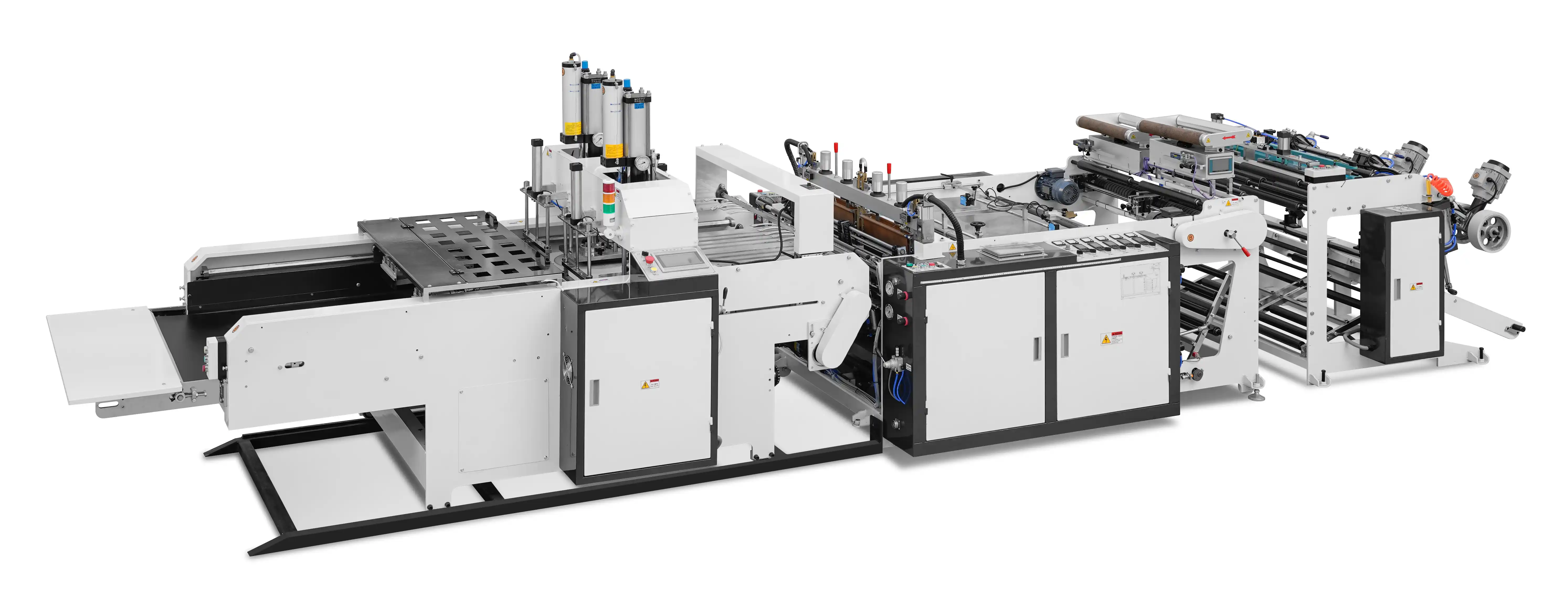
When evaluating t-shirt bag making machines, procurement professionals must assess several technical parameters. The following specifications directly impact production efficiency, product quality, and total cost of ownership.
Example scenario: A project engineer evaluating a double-line high-speed machine must verify that the servo-driven tension control can handle thin film (12–20 microns) without tearing or inconsistent registration. A supplier that provides a technical datasheet with tolerance ranges and allows a material trial on site can reduce the risk of post-installation issues.
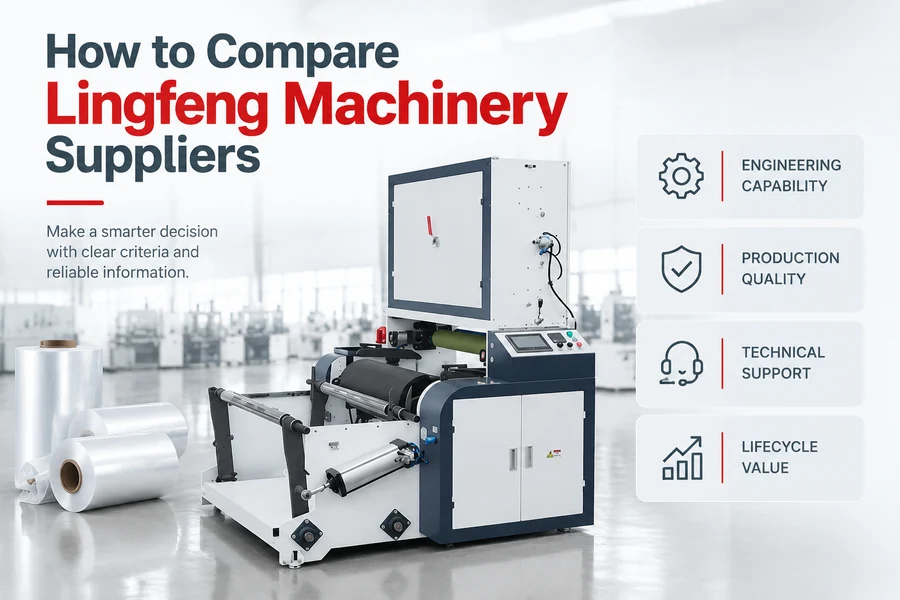
Procurement decisions often hinge on technical specifications, but the supplier’s capabilities and reliability are equally critical. Use the following criteria to structure your supplier evaluation:
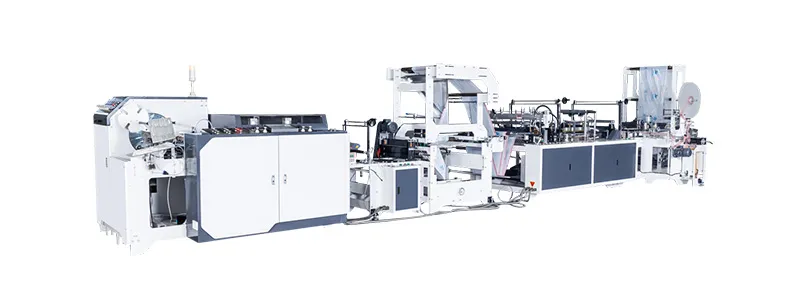
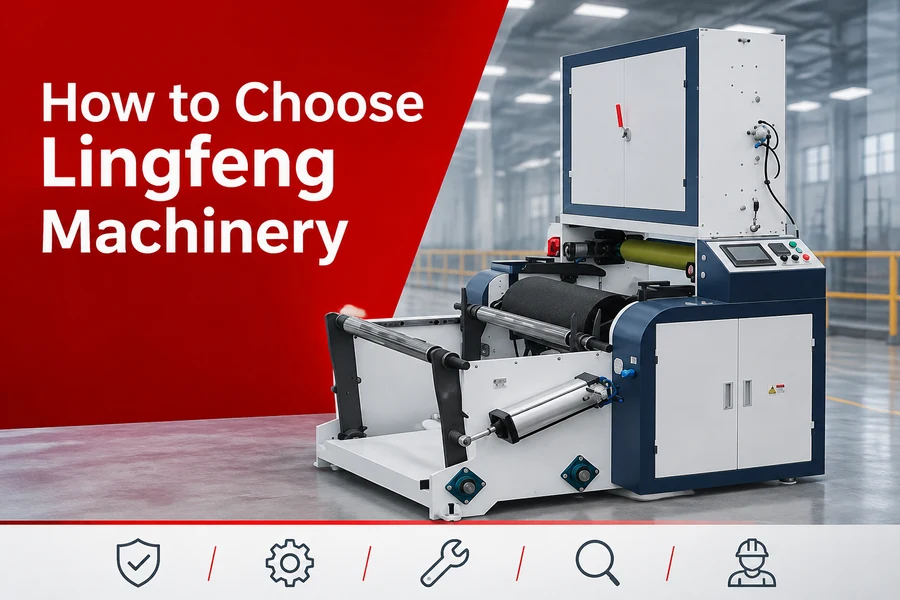
Notice how the snapshot of an automatic draw tape bag making machine with folding suggests that some suppliers produce integrated solutions. When evaluating, ask whether the machine can be upgraded later with additional modules (e.g., automatic roller changer, embossing unit).
A well-structured RFQ (Request for Quotation) is your best tool to compare suppliers on an apples-to-apples basis. It also forces internal alignment on requirements. Use the following checklist to prepare your RFQ for t-shirt bag making machines:
Procurement pitfalls to avoid: choosing solely on price (lowest cost often correlates with higher downtime and lower support), overlooking total cost of ownership (electricity, operator training, maintenance), and failing to verify material compatibility before signing the contract. If possible, supply a sample of your actual film to the vendor for a test run. Request a video recording of the test under your agreed parameters.
Example scenario: A sourcing team in Latin America prepared an RFQ for two double-line t-shirt bag machines. They included a requirement for automatic tension control and a specific brand of PLC. During evaluation, two suppliers met the technical criteria, but only one had a local service representative who could respond within 48 hours. The team chose the supplier with local support, reducing potential production downtime risk by an estimated 30%.
Q: What is the typical lifespan of a t-shirt bag making machine?
A: With proper maintenance, a well-built machine can last 10–15 years. Key factors affecting lifespan include the quality of components (servo motors, sealing bars) and how consistently the machine is used and serviced.
Q: Can I use the same machine for both t-shirt bags and flat bags?
A: Some machines can be converted with change parts (e.g., a different sealing section or cutting die). However, dedicated machines typically achieve higher efficiency and quality. If you need both types, consider separate machines or a supplier offering modular designs.
Q: How do I calculate the return on investment?
A: Calculate the total cost of ownership (machine purchase, installation, utilities, labor per bag produced) and compare it to the margin per bag. Also factor in downtime, scrap rate, and maintenance costs. A machine with higher initial cost but lower energy consumption and fewer rejects may yield a better ROI.
Q: What are the most common problems with t-shirt bag machines?
A: Common issues include misaligned sealing bars (causing weak seals), film tension variation (leading to inconsistent bag length), and wear on the punching die that cuts the handles. Regular preventive maintenance and operator training mitigate these problems.
Q: How should I evaluate a supplier’s after-sales service?
A: Request contact details for three recent customers in similar markets. Ask about response time for technical questions, availability of remote diagnostics, and speed of spare parts delivery. Also consider whether the supplier offers training programs for your operators and maintenance staff.
Investing in a t-shirt bag making machine is a strategic decision that affects your production capacity, product quality, and cost structure for years to come. By following the structured evaluation approach outlined in this guide—understanding market applications, scrutinizing technical specifications, thoroughly vetting suppliers, and preparing a comprehensive RFQ—you minimize the risk of costly mistakes. Remember that the lowest purchase price rarely represents the best value; instead, consider total cost of ownership, long-term reliability, and the level of support you will receive. Use the insights from this article to enter supplier negotiations with confidence, and always verify performance claims through factory acceptance tests or site visits. Your goal is to partner with a supplier who delivers not just a machine, but a solution that meets your production and business objectives.



 EN
EN
 ES
ES
 AR
AR