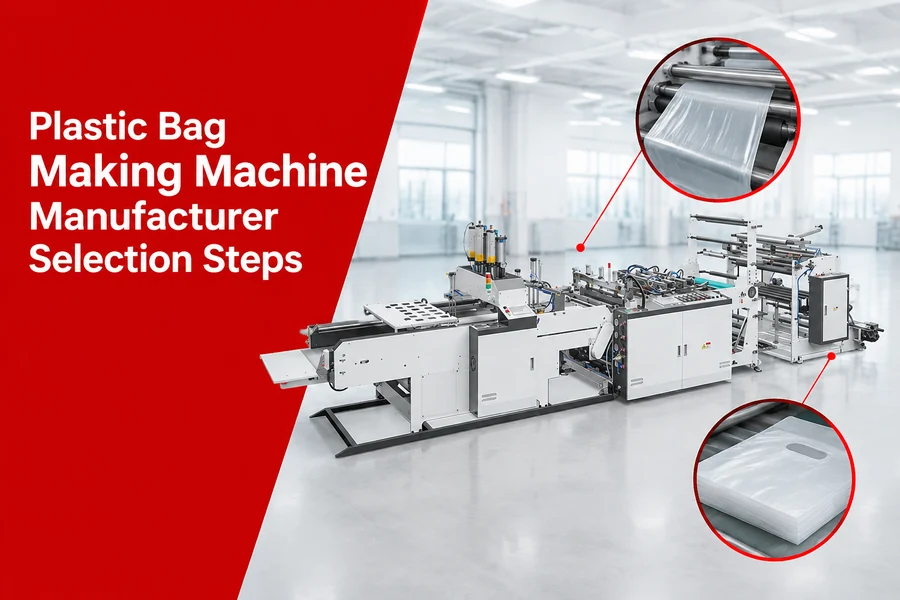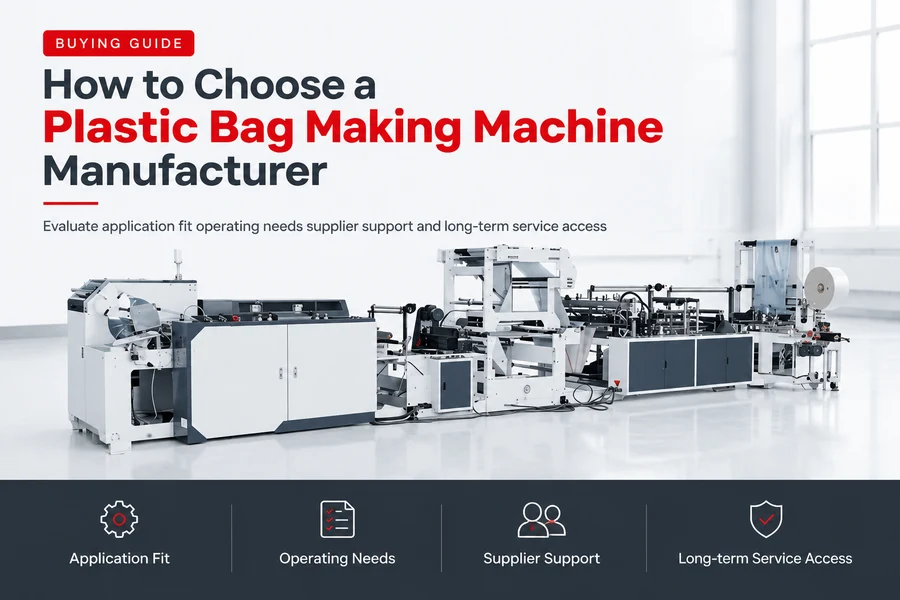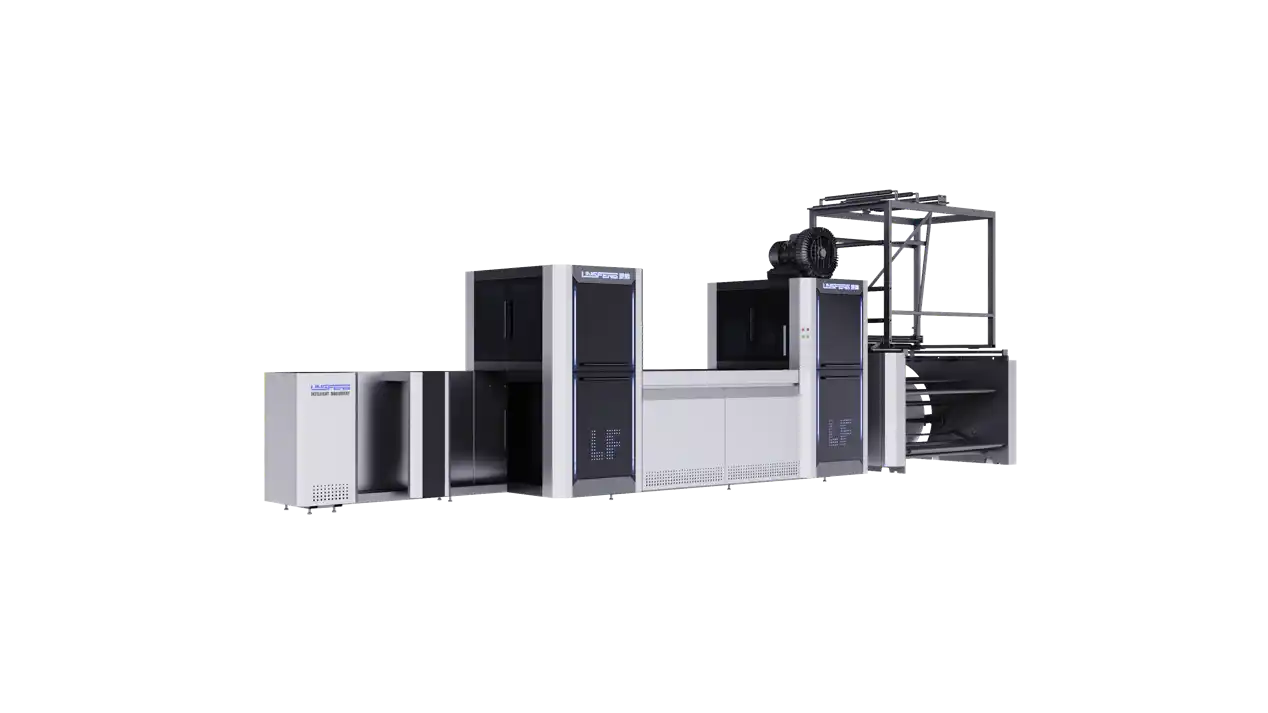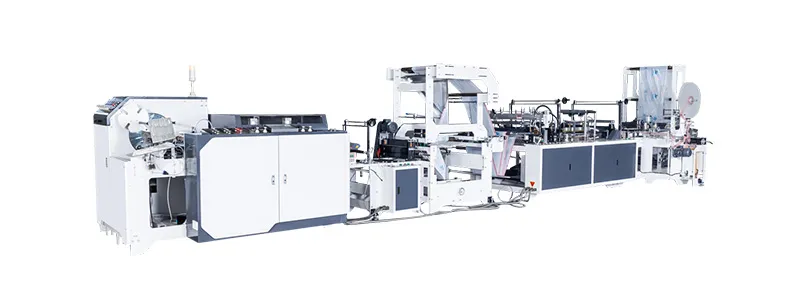

In the packaging industry, the T-shirt bag remains a staple for retail and grocery use. As demand grows for higher output and lower per-unit costs, many sourcing teams are evaluating automated bag making machines. This article provides a practical, neutral framework for procurement managers, project engineers, and decision-makers who are preparing to issue an RFQ or assess suppliers. Instead of marketing claims, you will find objective criteria, technical validation points, and risk-aware checklists to guide your evaluation.
Before reaching out to suppliers, define your production requirements clearly. The most critical factors include output speed, bag size range, material compatibility, and automation level. A machine that runs at 150 bags per minute might seem attractive, but if your typical order requires frequent size changes, you may need a model with quick-change tooling. Similarly, if you plan to use recycled or biodegradable films, confirm that the machine's sealing and tension control systems can handle variations in material thickness and melt flow index.
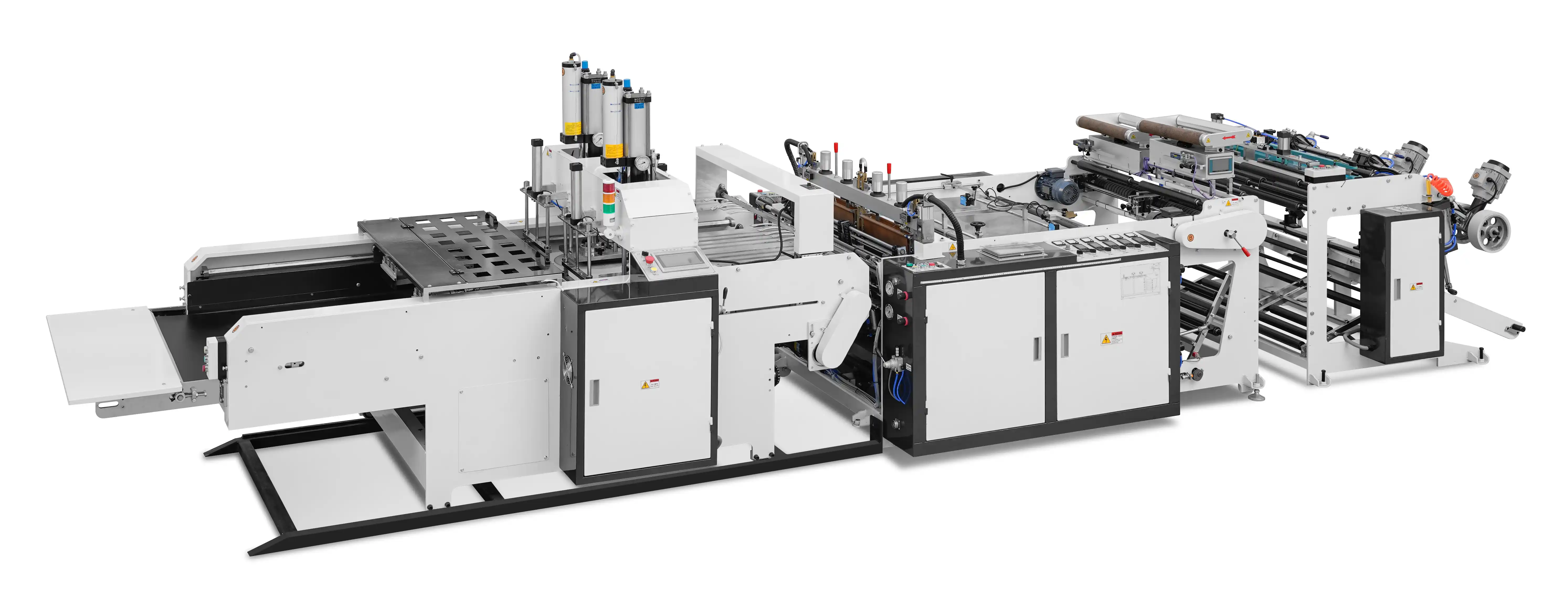
Another key consideration is the number of lanes. Single-line machines are simpler and lower in cost, but double-line machines can nearly double output without doubling floor space. For example, a double-line T-shirt bag on roll machine can produce two rolls simultaneously, which is ideal for high-volume operations. Evaluate whether your facility can accommodate the larger footprint and whether your operators can handle the increased complexity.
Automation features such as automatic tension control, servo-driven indexing, and PLC-based monitoring reduce manual intervention. These features also improve consistency and reduce waste. When comparing quotes, ask for detailed specifications on the control system, including the brand of PLC and servos, as these affect long-term reliability and spare parts availability.
An RFQ should request specific technical parameters beyond basic speed and bag size. Here is a list of what to validate:
By having these parameters clearly defined, you can compare apples-to-apples across suppliers. Ask for a technical datasheet that includes these items. If a supplier cannot provide a detailed spec sheet, consider that a red flag.
The machine itself is only part of the investment. The supplier's ability to support installation, training, maintenance, and spare parts supply is equally crucial. For procurement teams, consider these factors:
In a hypothetical scenario, a buyer might choose a slightly lower-priced machine but later find that the supplier's technical support team is only available during Asian business hours, causing delays in troubleshooting. Such risks should be mitigated during the evaluation phase.
Automation reduces labor but increases upfront capital expense. To make an informed decision, calculate the total cost of ownership (TCO) over a period of 3–5 years. Include:
Compare the TCO with the labor savings and scrap reduction. For example, a double-line automatic machine might replace two to three operators per shift. If your labor cost is $5 per hour per operator, and you run three shifts, the annual labor saving could be significant. However, also consider the learning curve – it may take weeks to reach optimal efficiency.
Risk factors include technology obsolescence, changing raw material costs, and market demand fluctuations. A machine that is highly specialized to one bag type may become a liability if your product mix changes. Therefore, consider modules or adjustable features that allow flexibility.
To help your team conduct a consistent evaluation, use the following checklist:
Using this checklist ensures that every option is evaluated on the same criteria, reducing the chance of overlooking critical issues.
Output speed varies by machine type and bag size. Single-line machines may run 100–150 bags per minute, while double-line machines can reach 200–300 bags per minute. However, actual speed depends on film thickness, bag length, and automation features.
Many modern machines can process biodegradable materials such as PLA or PBAT blends, but you must confirm with the supplier. Biodegradable films often have different melting points and require precise temperature control. Ask about sealing system compatibility and request test runs.
A single-line machine produces one bag at a time, while a double-line machine produces two bags side by side, effectively doubling output per hour. Double-line machines have a larger footprint and require more complex tension control, but they offer better cost efficiency for high-volume production.
Installation typically takes 1–2 weeks, depending on site preparation and complexity. Commissioning with operator training may take an additional 3–5 days. Plan for a ramp-up period of several weeks to reach optimal production efficiency.
Common recommended spares include sealing blades, heating elements, belts, sensors, and a few servo drives. Discuss with the supplier to identify the most failure-prone parts based on their service history. A starter spare parts kit can be ordered together with the machine.
Evaluating a T-shirt bag making machine is a multi-dimensional task that requires careful planning. By focusing on technical specifications, supplier support capabilities, and total cost of ownership, procurement teams can avoid costly mistakes. Use the checklist in this guide as a starting point for your RFQ and supplier discussions. Remember: the cheapest option often has hidden costs, while the most expensive may be over-engineered for your needs. A balanced, data-driven approach will lead to a purchase that meets your production goals and budget constraints.



 EN
EN
 ES
ES
 AR
AR