EN
EN
 ES
ES
 AR
AR


The global shift toward sustainable packaging has pushed biodegradable bags from niche specialty to mainstream requirement. For manufacturers, this transition introduces new technical challenges: biodegradable materials behave differently from conventional polyethylene, certification standards like EN 13432 impose strict performance criteria, and production lines must be adapted to maintain output speeds without compromising quality. This article explains the core concepts of biodegradable bag production, the role of material certification, and the practical implications for engineering and procurement decisions.
Understanding Biodegradable Bag Materials and Certification
Biodegradable bags are typically made from a blend of biopolymers and additives designed to break down under specific environmental conditions. The most common base materials include PBAT (polybutylene adipate terephthalate), PLA (polylactic acid), starch blends, and other compostable polyesters. Unlike conventional HDPE or LDPE, these materials have lower melting points, higher sensitivity to moisture, and different rheological properties that affect film blowing and sealing.
Certification to EN 13432 (European standard for compostable packaging) or ASTM D6400 (US equivalent) is the benchmark for biodegradable bags. These standards require that the bag disintegrates under industrial composting conditions, degrades biologically, and does not leave toxic residue. For production lines, certification imposes constraints on material formulation, film thickness, and additives. Example scenario: a bag made with PBAT and PLA must achieve at least 90% disintegration within 12 weeks in a composting test. This drives the need for consistent material sourcing and process control.
Manufacturers must ensure that every batch of raw material meets the certified formulation. Incoming material testing for melt flow index (MFI), moisture content, and thermal stability becomes routine. Without certification, the bag cannot be marketed as compostable, limiting its use in regulated waste collection schemes. It is also important to note that certification bodies may audit production facilities to verify that the manufacturing process does not introduce contaminants that could impair biodegradability. Therefore, a clear chain of custody for materials and documented process parameters are essential for maintaining certification over time.

Key Production Line Components for Biodegradable Films
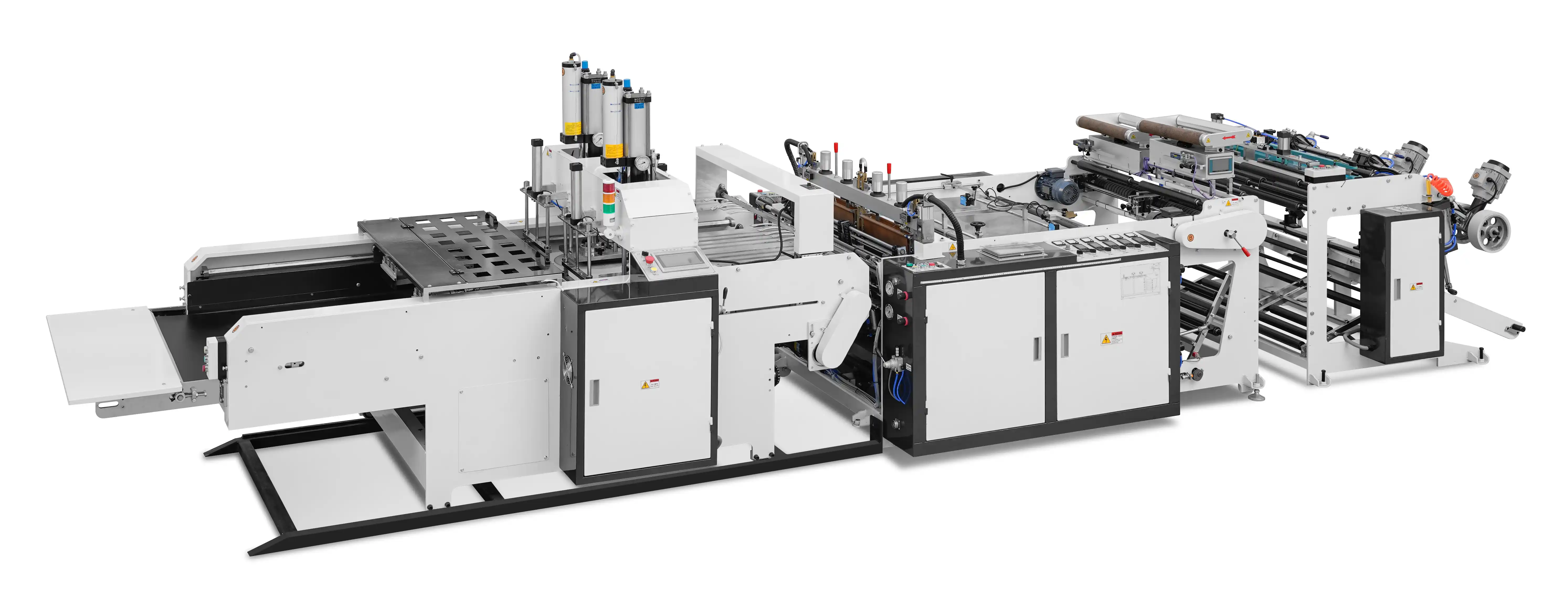
Producing biodegradable bags requires a line that can handle the specific processing window of compostable materials. The conventional extruder, film blowing tower, and bag making machine must be retuned or upgraded.
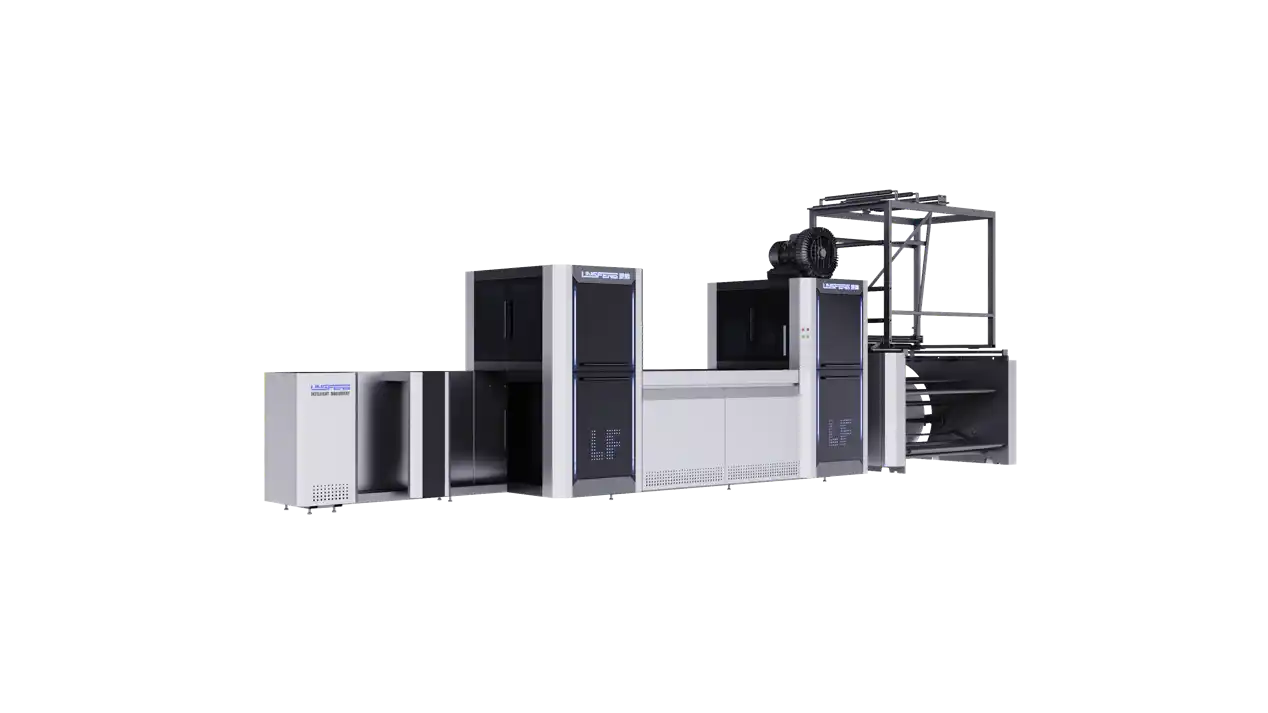
Extrusion and Film Blowing: Biopolyesters like PBAT have a narrow processing temperature range — typically 130–170°C — compared to PE’s 160–220°C. This demands precise temperature control along the barrel and die. Screw design may need adjustment to reduce shear heat generation. A grooved feed section helps convey soft materials consistently. The air ring and cooling system must also be optimized to prevent film sticking or bubble instability. Many modern extruders are equipped with multi-zone heating and PID controllers that can maintain ±1°C accuracy, which is critical for avoiding thermal degradation.
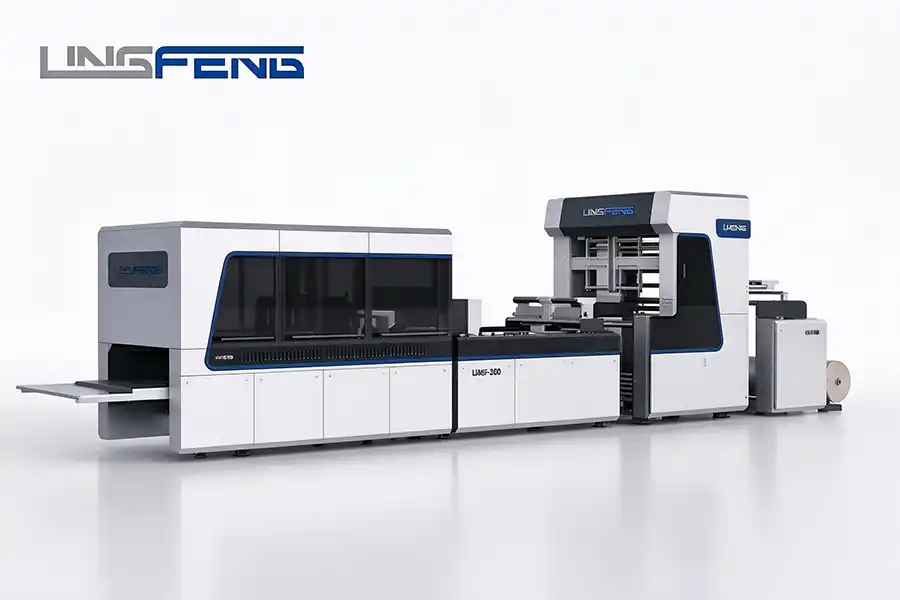
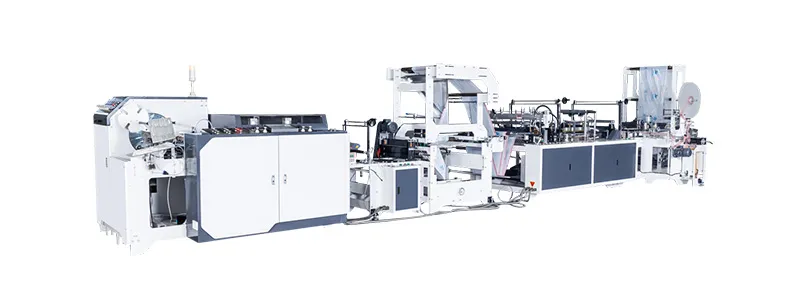
Bag Making Machine: The sealing station is critical. Biodegradable films require lower sealing temperatures and longer dwell times to avoid burning. Servo-driven systems with programmable seal pressure and temperature profiles are preferred. Example scenario: a machine designed for PE bags might seal at 150°C for 0.2 seconds; with PBAT/PLA, the optimal seal might be 110°C for 0.4 seconds. Additionally, the cutting mechanism (e.g., flying knife or hot knife) must be adjusted to prevent material adhesion or tearing. The equipment’s ability to switch between materials without extensive downtime is a key procurement consideration. Some bag makers now offer quick-change seal bars and software profiles that store parameters for different material grades.
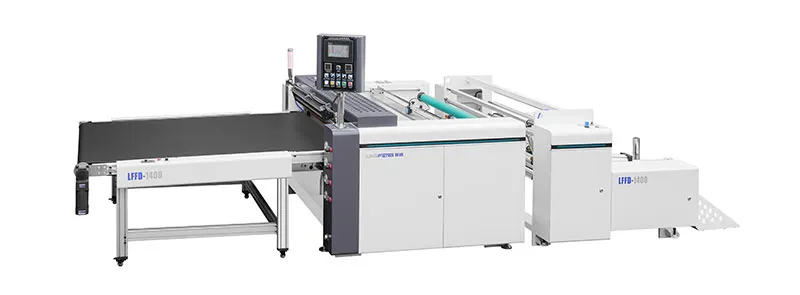
Winding and Collection: Biodegradable films often have higher coefficient of friction (COF) and lower tensile strength. Winding tension must be controlled to avoid wrinkles or telescoping. Servo-driven winding stands with tension sensors are common in modern lines. For bag-on-roll products, the perforation and rewinding sections must handle the film’s elasticity. In some cases, corona treatment or other surface modification may be applied to improve printability or adhesion, but this must be verified to not interfere with compostability certification.

High-Speed Bag Making: Process Adjustments and Material Handling
High-speed production of biodegradable bags — defined as line speeds above 150 bags per minute — requires careful synchronization of the entire process. The main challenges are material variability and thermal management.
Material variability arises from different suppliers, grades, or even batch-to-batch differences in MFI and additive content. A line that runs smoothly with one batch may experience tearing or poor seals with the next. Inline monitoring systems (e.g., thickness gauges, seal strength testers) help detect shifts early. Some manufacturers implement closed-loop control that adjusts temperature or pressure automatically based on film properties. For example, a system that measures seal temperature in real time and modulates the heating element could reduce scrap rates by 15–20%.
Thermal management is crucial because biodegradables are prone to thermal degradation if exposed to prolonged heat. The film blowing tower should be designed for efficient cooling, often using dual-lip air rings or additional chillers. In the bag making machine, the seal bars should be heated only when in contact with the film (pulse sealing) or use a Teflon-coated bar to reduce sticking. Example scenario: a line producing 200 bags per minute with a 0.4-second seal dwell time will have limited contact time; the machine must deliver consistent energy to the seal area without overheating the surrounding film. Advanced machines may employ servo-driven seal bars that precisely control the pressure profile and release timing.
Another practical consideration is film thickness. EN 13432 certified bags are typically limited to a maximum thickness of around 50–60 microns to ensure disintegration. Thicker films may require longer composting times and could fail certification. Therefore, the line must produce uniform thin films, often using a larger blow-up ratio (BUR) and precise die gap adjustment. Some lines incorporate automatic die centering systems that maintain gauge variation below 5% across the web, which is essential for consistent bag quality and certification performance.
Decision Criteria for Selecting a Biodegradable Bag Production Line
When evaluating equipment for biodegradable bag production, technical buyers and engineers should prioritize several factors beyond speed.
- Material compatibility: Does the line support PBAT, PLA, starch blends, and their combinations? Can it handle material changes with minimal downtime? Look for extruders with interchangeable screws or adjustable compression ratios. Some suppliers offer modular designs that allow quick screw swaps.
- Sealing system: Look for programmable seal temperature and dwell time, servo-driven pressure control, and options for pulse or impulse sealing. The seal bar material should resist corrosion from acidic byproducts of bio-polymers. Chrome-plated or stainless steel bars are common choices.
- Temperature control precision: ±1°C accuracy on the extruder and die is recommended. Multi-zone heaters with PID controllers are standard. For high-speed lines, consider using infrared thermography to monitor film temperature without contact.
- Throughput vs. quality: High-speed lines must maintain seal integrity and film consistency. Inline inspection systems (optical, thickness) can reject defective bags without slowing production. Some systems use machine vision to detect pinholes, seal gaps, or print defects in real time.
- Certification support: Some equipment manufacturers offer pre-qualified setups for specific certified materials. This reduces trial-and-error during startup. Ask for documented test results from third-party labs that verify the line’s output meets EN 13432 or ASTM D6400.
- Maintenance and cleaning: Biodegradable residues can accumulate; easy-access cleaning ports and corrosion-resistant materials (stainless steel, chrome plating) extend equipment life. Also consider whether the line can be purged effectively when switching between materials to avoid cross-contamination.
It is also wise to request a material trial on the actual line before purchase. Example scenario: a trial run using your specific PBAT/PLA blend at target speed will reveal actual seal strength, film waste, and machine adjustments needed. This evidence is more reliable than theoretical specifications. Additionally, consult with the resin supplier to understand the recommended processing window and any special handling requirements like drying or preheating.
Frequently Asked Questions
Q: What is EN 13432 certification, and why does it matter for production?
A: EN 13432 is a European standard that specifies requirements for packaging recoverable through composting. It sets limits for disintegration (≥90% in 12 weeks), biodegradation (≥90% relative to cellulose), and eco-toxicity. For production, meeting this standard imposes constraints on material selection, film thickness, and additive use. Without certification, bags cannot be marketed as compostable in many jurisdictions.
Q: Can conventional PE bag machines produce biodegradable bags?
A: Some components can be used, but modifications are typically required. The extruder screw, temperature controllers, sealing system, and winding tension all need adjustment. Running biodegradable materials on a standard PE machine often results in poor seals, film breakage, and lower output. Dedicated or retrofitted lines are recommended for consistent quality.
Q: What are the main differences between PBAT and PLA in bag production?
A: PBAT is softer, more elastic, and has a lower melting point (~115–125°C). It blends well with starch to improve flexibility. PLA is stiffer and more brittle, with a higher melting point (~150–170°C) but degrades under heat and moisture. Many certified bags use a PBAT/PLA blend to balance processability and compostability. The ratio can be adjusted to achieve desired mechanical properties and cost targets.
Q: How does production speed affect bag certification performance?
A: Speed does not directly affect the chemical composition, but it influences film uniformity and seal quality. Inconsistent film thickness or weak seals can lead to bags that fail disintegration tests. Certification requires that the final bag (from high-speed production) meets the same criteria as lab samples. Therefore, inline quality control is essential to ensure every bag meets spec. Some manufacturers run a small sample from each production lot through a rapid composting test to verify compliance.
Q: What is the typical cost difference between a biodegradable bag line and a standard PE line?
A: Biodegradable bag lines often cost 20–40% more due to specialized components (servo drives, precision temperature control, corrosion-resistant materials, and inline monitoring). However, operating costs can be higher due to more expensive raw materials and potentially slower throughput if not optimized. A detailed ROI analysis based on projected volume and market premium for certified bags is recommended. Also consider that some regions offer subsidies or tax incentives for compostable packaging production.
Q: How do I troubleshoot seal failures in biodegradable bags?
A: Start by checking the seal temperature and dwell time against the material supplier’s recommendations. Verify that the seal bars are clean and not worn. Check film thickness – if it’s too high, the seal may not heat through properly. Also examine the film surface for moisture, as biodegradables are hygroscopic and excess moisture can cause weak seals. Use a seal strength tester to quantify the issue and adjust parameters accordingly.
Conclusion
Biodegradable bag production requires a holistic approach that integrates material science, certification compliance, and manufacturing engineering. From understanding the thermal and rheological behavior of biopolyesters to selecting a production line with precise temperature control and adaptable sealing systems, every decision affects the final product’s performance and market acceptance. While the upfront investment in a dedicated line may be higher, the ability to produce certified, high-quality bags efficiently is critical for competing in the growing sustainable packaging segment. For procurement and engineering teams, focusing on material compatibility, process control, and inline verification will yield the most reliable path to successful production. As the market evolves, staying informed about new materials, standards, and equipment innovations will help manufacturers maintain a competitive edge.