

LDPE (Low-Density Polyethylene) film blowing is a widely used process for producing flexible packaging, agricultural films, and industrial wrapping. A critical part of the production line is the winding section, where the continuous extruded film is wound into rolls for downstream processing. Traditionally, roll changing has been a manual operation requiring operator intervention to cut the film, transfer it to a new core, and remove the finished roll. This manual step introduces inefficiencies, inconsistency in roll tension, and potential for waste. Automatic roll changing technology addresses these challenges by mechanizing the changeover process, enabling faster, more reliable winding with minimal operator involvement. This article explains the principles, technologies, and operational benefits of automatic roll changers in LDPE film blowing, providing technical buyers and engineering teams with a clear understanding for early-stage evaluation.

In film blowing, molten LDPE is extruded through a circular die, inflated into a bubble, cooled, and then collapsed and wound into rolls. The winding process must maintain consistent tension to avoid stretching, wrinkling, or telescoping of the film. Finished rolls can weigh hundreds of kilograms, and manual roll changing at high line speeds is physically demanding and prone to human error. Any delay or improper transfer can cause film breaks, waste, and downtime. As production speeds increase, the manual changeover becomes a bottleneck. Automatic roll changers (also called turret winders or automatic surface winders) are designed to perform the cut-and-transfer sequence automatically while the line continues running. Key benefits include:
For LDPE specifically, the film's low modulus and tackiness require careful handling to prevent sticking or misalignment during transfer. Automatic systems address these material characteristics with precise timing and tension control.

An automatic roll changer typically consists of a rotating turret or swing-arm mechanism that holds two or more winding positions. While one core is actively winding, the other is in standby. When the roll reaches a preset length, diameter, or count, the system initiates a cut-and-transfer sequence. The film is severed by a knife or hot wire, and the leading edge is transferred to the new core, often assisted by a vacuum or adhesive. Simultaneously, the finished roll is released for removal.
In LDPE film lines, the design must accommodate the film's flexibility and thermal sensitivity. For example, hot-cut systems must be precisely regulated to avoid melting or burning the film. Pneumatic or servo-driven mechanisms ensure repeatable motion. The turret index time is typically under 2 seconds to maintain continuous production. Many modern systems incorporate an overlapping winding method where the new core accelerates to match the line speed before transfer, minimizing tension spikes.
For demanding applications such as stretch film or thin-gauge LDPE, automatic roll changers often include a gap-control system that adjusts the nip roll pressure to compensate for diameter growth, preventing film slippage or wrinkles.
Effective automatic roll changing relies on advanced tension control. Servo motors drive the winding spindle and turret rotation, providing precise speed and torque regulation. A tension feedback loop, using load cells or dancer rolls, maintains constant film tension throughout the roll build and during the transfer event. This is critical for LDPE because inconsistent tension leads to roll telescoping (axial slippage) or core crushing.
Another important technology is the lay-on roller or nip roller, which presses against the winding roll to remove trapped air and ensure a tight package. In automatic systems, the lay-on roller is retracted during transfer and re-engaged with controlled force to avoid marking the film. Some systems use a rubber-covered steel roll; others use a soft plastic roll to accommodate LDPE's softness.
Additionally, edge position control (EPC) systems are often integrated to maintain lateral alignment of the web as it winds, preventing telescoping. For LDPE films that tend to wander due to gauge variations, EPC ensures clean edges on the finished roll, which is important for downstream printing or slitting.
Implementing automatic roll changing in an LDPE film blowing line yields several quantifiable improvements:
Hypothetical example: A film producer running three 8-hour shifts per day with 30-minute roll cycles could experience up to 4% increase in OEE after upgrading to automatic change, assuming a 2-minute manual change vs. 20-second automatic change. Over a year, this translates to significant additional production capacity.
When evaluating automatic roll changers for LDPE film blowing, procurement and engineering teams should consider the following factors:
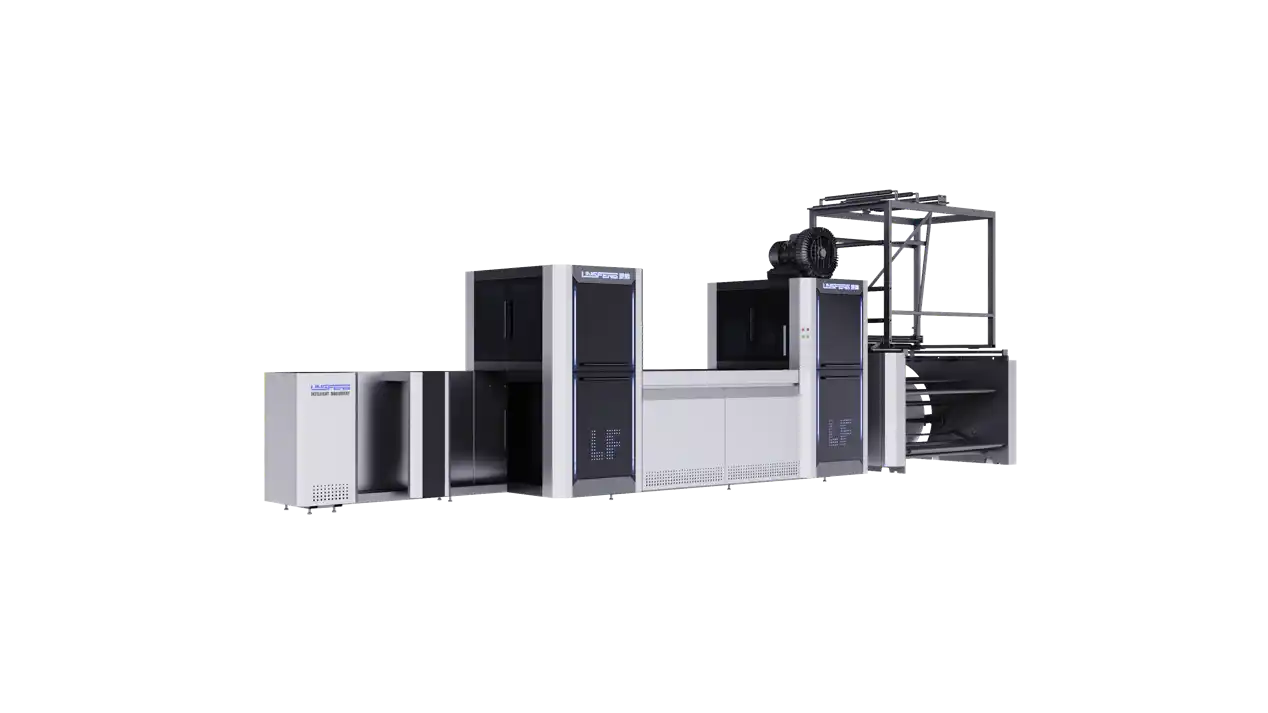
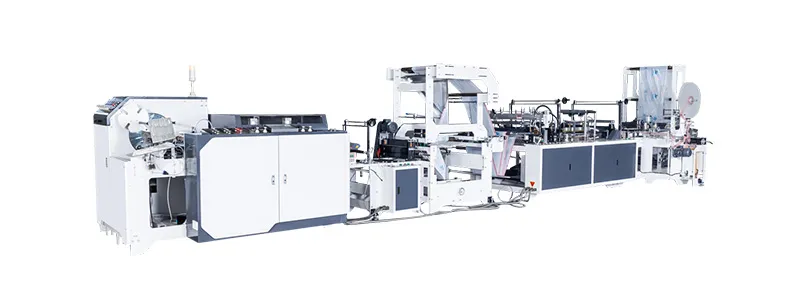
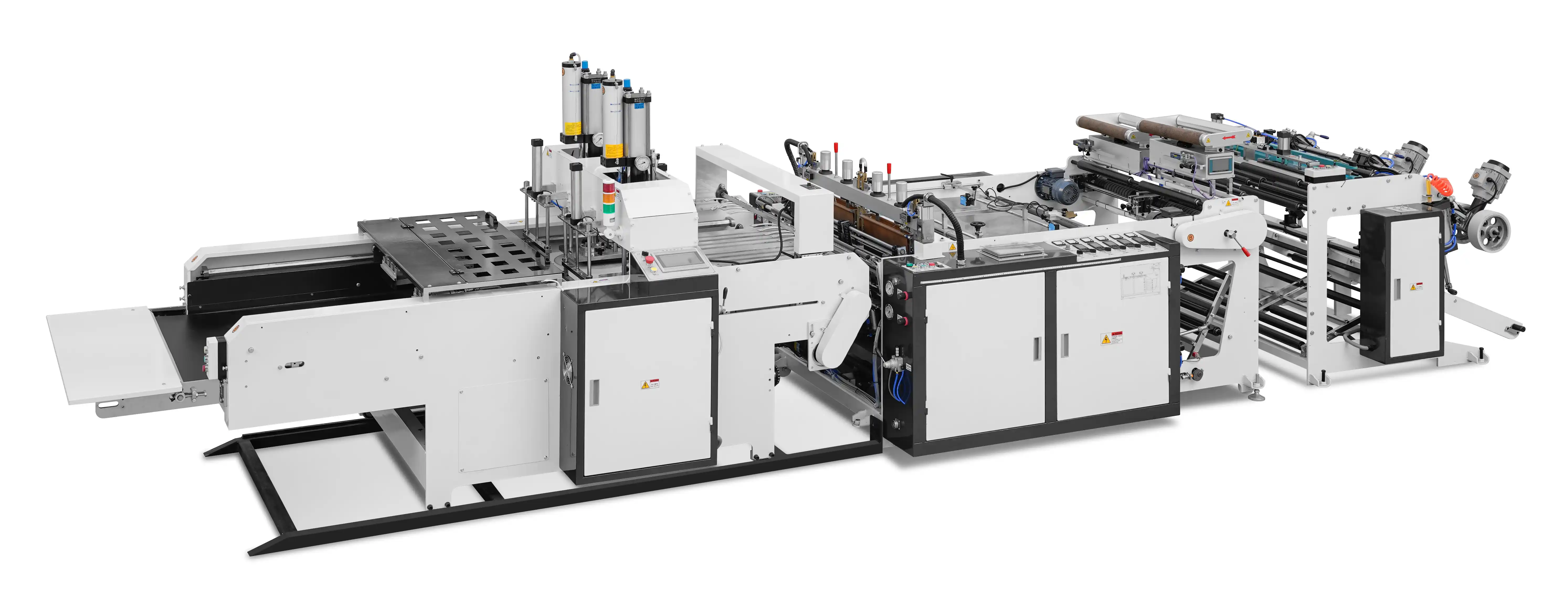
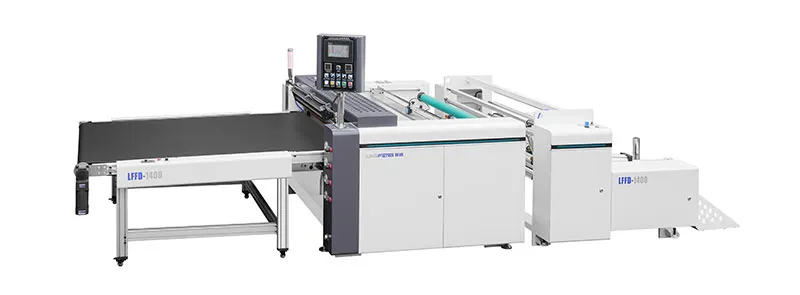
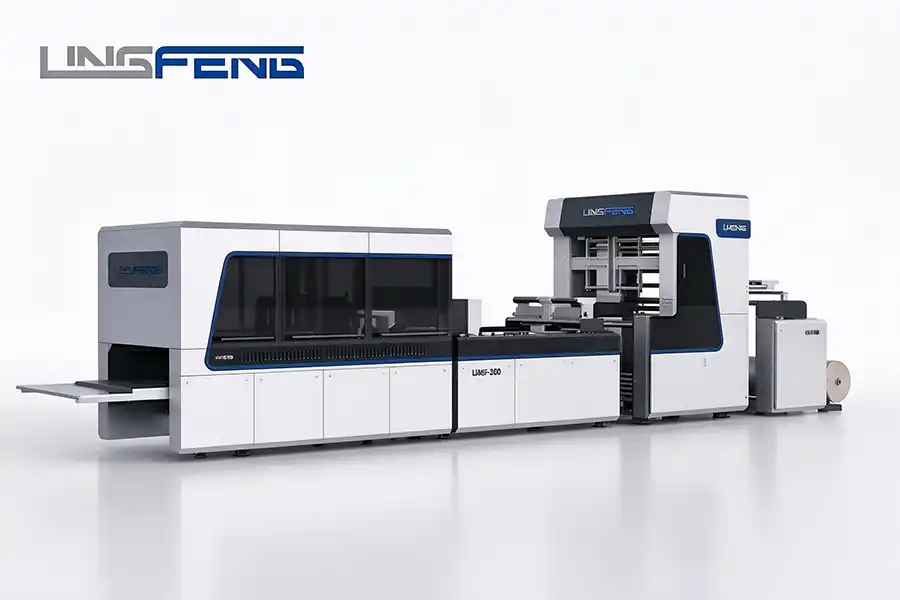
Several machinery manufacturers offer automatic roll changers as options on their film blowing lines. Lingfeng, for example, provides automated winding solutions with servo tension control as part of their bag making and film converting lines. While this article focuses on technology rather than specific vendors, it's advisable to request performance data and references from suppliers when making a purchase decision.
Q: What is the typical payback period for an automatic roll changer in LDPE film blowing?
A: Payback depends on line speed, labor costs, and waste reduction. In many cases, the investment is recovered within 12–18 months through increased throughput and reduced scrap.
Q: Can automatic roll changers handle tacky LDPE films?
A: Yes, with proper surface treatments and release coatings on the winding drum and lay-on roller. Some systems use a Teflon-coated or chrome-plated nip roll to minimize sticking.
Q: Do I need to modify my existing extruder or cooling system?
A: No, automatic roll changers are typically retrofitted at the winder section. However, synchronization signals between the extruder and winder may be needed.
Q: How often does the knife or cutting mechanism need replacement?
A: Depending on usage frequency, blades may last weeks to months. Hot-wire cutters require periodic replacement of the wire element, typically every few thousand cuts.
Q: Is automatic roll changing suitable for small-diameter rolls?
A: Yes, many changers are designed for a wide range of roll diameters, from 100 mm to over 1000 mm, with adjustable settings.
Automatic roll changing technology brings significant operational advantages to LDPE film blowing lines by eliminating manual intervention, improving roll quality, and increasing machine utilization. The core design involves a turret winder with servo-driven tension control, cut-and-transfer mechanisms, and often integrated edge guiding. For technical buyers and operations leaders, investing in automatic roll changers is a proven path to higher efficiency and lower cost per unit of produced film. When evaluating options, focus on tension control precision, reliability at line speed, and compatibility with your film properties. With careful implementation, automatic roll changing converts the winding bottleneck into a seamless contributor to overall productivity.




 EN
EN
 ES
ES
 AR
AR