English
 Español
 عربي
عربي 

Article Overview: This guide is written for procurement managers, sourcing teams, and project engineers who are evaluating suppliers for t-shirt bag making machinery. It covers real-world applications of t-shirt bags, key technical specifications that must be validated before purchase, common procurement pitfalls, and a step-by-step approach to preparing an RFQ document. The goal is to help decision-makers reduce risk, align supplier capabilities with production requirements, and make informed purchase decisions.
Understanding T-Shirt Bag Types and Application Requirements
T-shirt bags, also known as vest bags or grocery bags, are widely used in retail, food service, and pharmaceutical packaging. Their lightweight, low-cost design makes them ideal for high-volume dispensing scenarios. However, the specific application directly influences the type of machine you need. For example, a supermarket chain requiring bags-on-roll for self-service checkouts will have different machine requirements than a contract packager producing loose t-shirt bags for quick-service restaurants.
When evaluating a supplier, start by mapping your end-use case to the machine’s output format. Common configurations include:
- Loose t-shirt bags (stacked or bundled)
- T-shirt bags on a roll (for tear-off dispensers)
- Sealed or star-sealed bottom options
- Biodegradable or recycled content variations
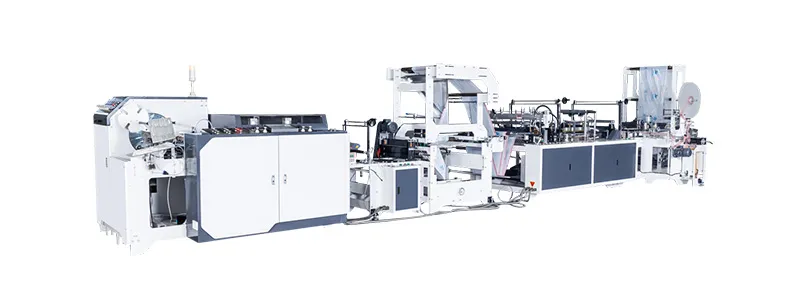
Each format demands specific mechanical features such as folding units, perforation blades, or sealing technologies. For instance, producing bags on a roll requires a high-precision winding system and consistent tension control. Understanding these application-driven differences will help you shortlist suppliers that specialize in your exact format. For further reference on bag types, consult a product category overview such as T-Shirt Bag to see common design variations.
Critical Technical Specifications for RFQ Validation
Before sending an RFQ, procurement teams should compile a checklist of technical parameters that directly affect output quality, uptime, and total cost of ownership. Based on industry evidence and machine specifications, the following are the most critical points to verify with potential suppliers:
- Film width range and thickness capability: Ensure the machine can handle your intended film gauge (typical range 10–50 microns for HDPE/LDPE). Ask for documented tolerance data.
- Production speed: Specify your required cycle rate (bags/minute) and confirm the speed at which the machine maintains consistent seal integrity. Beware of inflated max-speed claims without quality guarantees.
- Sealing and cutting technology: Understand whether the machine uses servo-driven knife systems, hot-wire sealing, or ultrasonic sealing. Each has trade-offs in maintenance cost and bag edge quality.
- Control system: PLC with touchscreen interface is standard. For multi-line or complex setups, ask about automatic tension control, error diagnosis, and recipe storage.
- Changeover time: If you run multiple bag sizes, quick-change die assemblies and adjustable folding boards can significantly reduce downtime.
- Compliance with materials: If you plan to use biodegradable resins (e.g., PBAT, PLA), confirm that the machine’s temperature profile and sealing pressure can handle these materials without degradation.
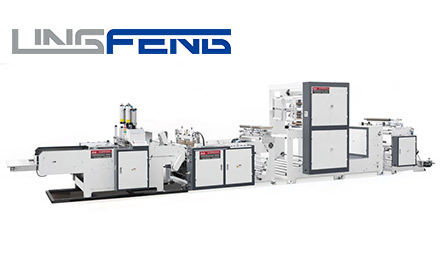
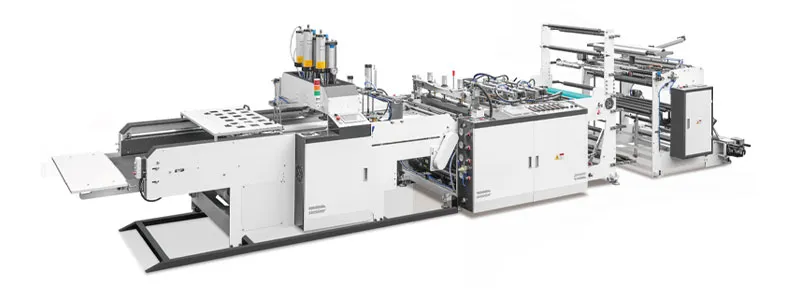
Cross-reference these specifications with your production volume and shift plans. For example, a high-speed machine may require a dedicated film-blowing line to keep up, so consider upstream integration as part of your evaluation. To explore typical machine configurations, review the T-Shirt Bag Making Machines section for standard technical parameters.
Evaluating Supplier Capabilities for T-Shirt Bag Making Machines
Beyond the machine itself, the supplier’s track record, service infrastructure, and engineering support are equally important. Use the following criteria to assess potential vendors:
- Industry experience: How long has the supplier been manufacturing t-shirt bag machinery? Do they have reference installations in your region or industry vertical?
- R&D and customization: Some projects require custom tooling or modified machine frames. Does the supplier offer engineering services to adapt standard models?
- After-sales support: Clarify warranty terms, spare parts availability, and remote diagnostics capability. Ask about average response time for technical support.
- Quality certifications: ISO 9001 and CE marking are common baseline requirements. Also check if the supplier provides factory acceptance test (FAT) reports before shipment.
- Third-party reviews or case studies: Request customer references or documented performance data from existing installations. Be cautious of generic marketing claims.
For example, a buyer sourcing machinery for biodegradable bags would benefit from a supplier that has demonstrated expertise in processing alternative materials. Similarly, if your project involves multiple bag formats, a supplier offering a range of machine types (bottom sealing, side sealing, bags on roll) may be better positioned to provide integrated solutions. The Applications page illustrates how different machine types serve various bag styles and materials.
Common Procurement Pitfalls and How to Avoid Them
Procurement mistakes in t-shirt bag machinery often stem from undervaluing operational complexity. Here are frequent pitfalls observed in industrial buying processes:
- Focusing only on purchase price: Low initial cost can be offset by higher maintenance expenses, slower throughput, or frequent breakdowns. Always evaluate total cost of ownership (TCO) over a 5-year period.
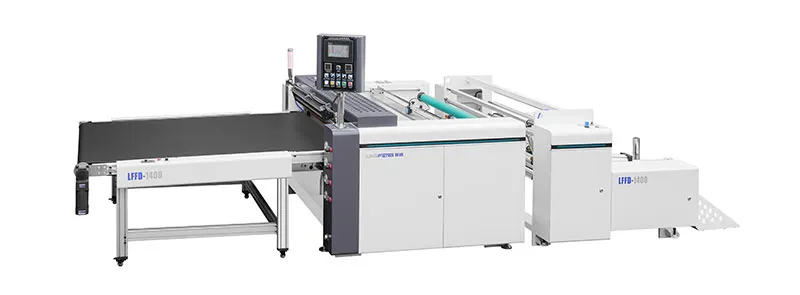
- Ignoring material handling upstream: The bag making machine is only part of the line. Ensure your film blowing, slitting, and rewinding equipment is compatible with the new machine’s input specifications. Case studies on Bags On Roll Making Machines often include upstream compatibility notes.
- Skipping on-site trial or video verification: For high-value purchases, request a live demonstration of the machine running your target film material and bag design. If a physical visit is impossible, a time-stamped video with batch data can serve as evidence.
- Overlooking training and documentation: Complex servo-controlled machines require operator training. Confirm that the supplier includes comprehensive manuals, maintenance schedules, and possibly on-site training in the proposal.
- Neglecting future scalability: If you anticipate higher volume or new bag styles within 3 years, choose a machine that allows modular upgrades (e.g., additional lanes, inline printing, or automation options).
By anticipating these issues, your team can ask targeted questions during supplier meetings and avoid costly surprises after installation.
Structuring a Comprehensive RFQ Document
A well-structured RFQ is the foundation of a successful procurement process. It should include both technical and commercial sections to elicit comparable bids from suppliers. Below is a template outline you can adapt:
- Project overview: Bag type (t-shirt, on-roll, etc.), target output per hour, shift pattern, and any special requirements (e.g., biodegradable resin).
- Machine specifications: Minimum and preferred parameters for film width, film thickness, bag dimensions, sealing style, speed, and control system.
- Utilities and footprint: Electrical requirements (voltage, phase), compressed air consumption, and floor space dimensions. Request that suppliers confirm compatibility with your facility.
- Commercial terms: Payment milestones, delivery schedule, warranty period, and spare parts pricing for critical components (sealing bars, knives, belts).
- Documentation and training: List required deliverables: operation manual, electrical schematics, preventive maintenance guide, and training hours.
- Evaluation criteria: State how you will weigh price, delivery time, technical compliance, and after-sales support. This encourages bidders to offer their best terms upfront.
Send the RFQ to a shortlist of 3–5 suppliers that have passed your initial technical and capability screening. Standardizing on a single machine category, such as T-Shirt Bag Making Machines, can help keep all respondents aligned on machine type.
Frequently Asked Questions
What is the difference between a t-shirt bag and a regular plastic bag?
A t-shirt bag, also called a vest bag, has die-cut handles that form a 'T' shape when opened. It is typically made from HDPE or LDPE film and is designed for single-use retail applications. Production requires specific punching and folding stations not found on standard bag machines.
How do I determine the right machine speed for my production needs?
Calculate your required daily output (bags/day) divided by planned operating hours, then add a 20–30% buffer for scrap and maintenance. Request speed data at the typical bag size you run, as max speed often drops for larger or thicker bags.
Can t-shirt bag making machines handle biodegradable materials?
Yes, but with adjustments. Biodegradable films often have different melting points and stretch characteristics. You must verify that the machine’s sealing temperature range, nip roller pressure, and cooling system are compatible. Many modern machines are retrofittable for bio-resins.
What should I look for in a supplier's service agreement?
Check that the agreement covers remote diagnostics, a defined response time for emergency breakdowns, availability of critical spare parts (e.g., servo motors, control boards), and optional extended warranty. Also confirm the supplier’s service network in your region.
Is it better to buy a multi-line machine or several single-line machines?
It depends on your bag variety and uptime requirements. Multi-line machines offer high output in a small footprint but can be less flexible for different bag sizes. Single-line machines provide redundancy—if one line stops, others continue. Evaluate based on your product mix and risk tolerance.
Conclusion
Procuring a t-shirt bag making machine is a capital decision that directly impacts your production efficiency and product quality. By following the evaluation framework outlined above—grounding machine selection in real application needs, validating technical specifications, assessing supplier capabilities beyond price, and structuring a clear RFQ—you can significantly reduce the risk of post-purchase regrets.
As a next step, compile your internal production requirements using the checklist provided, then reach out to two or three qualified suppliers for preliminary discussions. Use the technical parameters and supplier criteria to create a comparative analysis that ensures you select the machine best suited to your operational goals.