English
 Español
 عربي
عربي 

Article Overview: This comprehensive guide to High-Density Polyethylene (HDPE) introduces the material's fundamental properties, primary applications, manufacturing techniques, and key comparisons with other plastics. Written for informational discovery, it helps readers understand what HDPE is, why it is widely used, and how it fits into modern industry. The content avoids promotional language and focuses on educational clarity.
Introduction to HDPE
High-Density Polyethylene (HDPE) is a thermoplastic polymer made from the monomer ethylene. It was first produced in the 1950s and quickly became one of the most widely used plastics in the world. HDPE is characterized by its high strength-to-density ratio, making it both lightweight and durable. Its molecular structure consists of long, linear chains with minimal branching, which allows the polymer chains to pack closely together. This close packing results in a material that is denser, harder, and more crystalline than low-density polyethylene (LDPE). HDPE is classified as a commodity plastic, meaning it is produced in large quantities at low cost, and it is recyclable under resin identification code 2. The material's versatility has led to its adoption in countless products, from milk jugs and detergent bottles to pipes, geomembranes, and plastic lumber. Understanding HDPE is essential for anyone involved in manufacturing, packaging, construction, or waste management, as it represents a balance of performance, cost, and environmental impact.
Key Properties of HDPE
The properties of HDPE stem from its semi-crystalline structure. Typical density ranges from 0.93 to 0.97 g/cm³. It has a melting point around 130°C to 137°C. HDPE exhibits excellent tensile strength (20–30 MPa) and impact resistance, even at low temperatures. It is resistant to many acids, bases, and organic solvents, but can be attacked by strong oxidizing agents. The material has low moisture absorption (less than 0.01%) and good electrical insulation properties. HDPE is also flexible yet stiff, making it suitable for applications that require rigidity without brittleness. It can be processed by almost all thermoplastic methods, including injection molding, blow molding, extrusion, and rotational molding. One important property is its resistance to stress cracking, though this can be improved through copolymerization. HDPE is also FDA-approved for food contact in many applications. Its low coefficient of friction makes it useful for conveyor components and sliding surfaces. The material can be UV-stabilized for outdoor use, though unstabilized grades degrade under prolonged sunlight. These properties collectively make HDPE a reliable choice for demanding environments.
Common Applications of HDPE
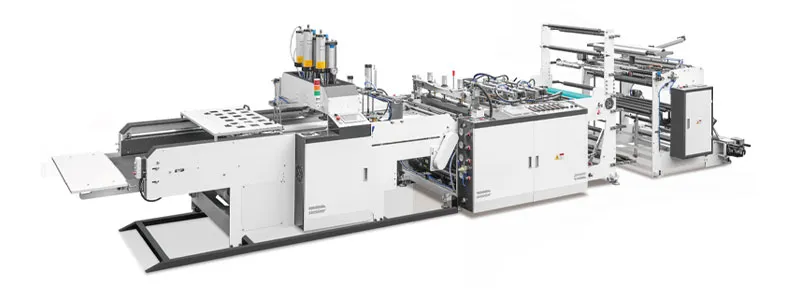
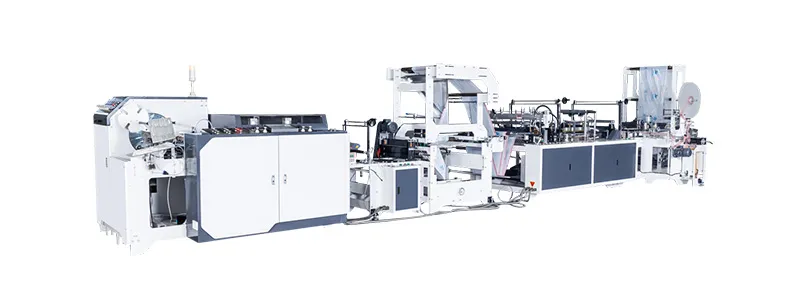
HDPE is found in packaging, construction, consumer goods, and industrial products. In packaging, it is used for blow-molded bottles for milk, shampoo, detergent, and household chemicals. Injection-molded HDPE produces caps, closures, crates, pallets, and toys. Extruded HDPE is formed into films for grocery sacks, trash bags, and industrial liners. In construction, HDPE is used for water and gas pipes, drainage systems, and geomembranes for landfills and pond liners. The material's chemical resistance makes it ideal for storage tanks, chemical containers, and lab equipment. In the agricultural sector, HDPE is used for irrigation pipes, greenhouse films, and pesticide containers. Additionally, HDPE is recycled into plastic lumber, park benches, and playground equipment. For more specific applications, HDPE films are often processed on specialized converting machinery. For example, HDPE film can be made into T-shirt bags or bags on a roll, which are commonly produced on T Shirt Bag Making Machines and Bags On Roll Making Machines. These machines utilize the high melt strength and consistent gauge of HDPE to produce strong, lightweight bags efficiently. The medical industry also uses HDPE for disposable gloves, pharmaceutical bottles, and packaging for sterile devices. The wide range of applications underscores HDPE's status as a workhorse polymer.
Manufacturing Processes for HDPE Products
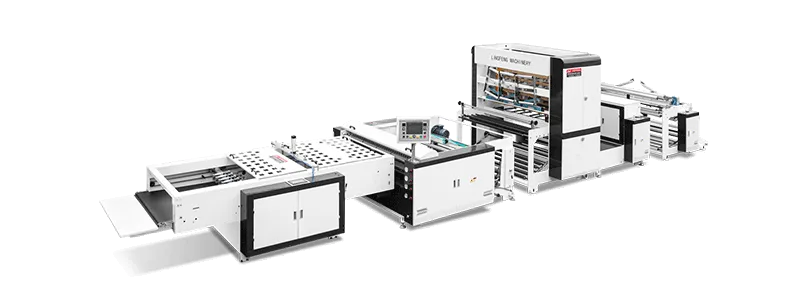
HDPE can be converted into finished products using several standard processes. Blow molding is common for hollow objects like bottles and drums. In extrusion blow molding, a molten tube (parison) is formed, then inflated inside a mold to take shape. Injection blow molding and stretch blow molding are used for more precise containers. Injection molding produces solid parts such as caps, crates, and fittings. HDPE granules are heated and injected into a mold under high pressure. Extrusion is used for pipes, sheets, films, and profiles. The melt is pushed through a die and then cooled. For film production, the blown film extrusion process is typical: HDPE is melted and extruded through an annular die, then inflated with air to form a bubble that is cooled and wound into rolls. This process requires precise temperature control and air cooling to achieve uniform thickness. The resulting film can be further processed on machines like Bottom Sealing Bag Making Machines to create bags with sealed bottoms. Another common method is rotational molding for large, hollow items like tanks and kayaks: HDPE powder is placed in a mold that is heated and rotated, causing the powder to melt and coat the interior. Other processes include thermoforming (for trays and cups) and compression molding. The choice of process depends on the product shape, required properties, and production volume. Quality control involves checking melt flow index (MFI), density, color, and mechanical properties. Understanding these processes helps buyers and engineers select the right conversion technique for their HDPE application.
HDPE Compared to Other Plastics
HDPE is often compared to other polyethylenes and common thermoplastics. Compared to LDPE (low-density polyethylene), HDPE is stiffer, stronger, and more resistant to creep. LDPE is more flexible and has better clarity, but HDPE has superior barrier properties against moisture and gases. When compared to polypropylene (PP), HDPE has similar chemical resistance but lower melting point and stiffness. PP is usually preferred for higher temperature applications. Against PET (polyethylene terephthalate), HDPE has lower transparency and rigidity but is less expensive and has better impact resistance. PET dominates the beverage bottle market, while HDPE is chosen for non-carbonated drinks and household chemicals. HDPE also competes with PVC in pipe applications: HDPE is more flexible, easier to join by heat fusion, and more environmentally friendly, while PVC is stiffer and often cheaper. In packaging, HDPE films are thicker and less glossy than LDPE films, but they provide better strength for heavy loads. The recyclability of HDPE is a significant advantage over many other plastics—recycled HDPE (rHDPE) can be used in new bottles, piping, and construction materials. For buyers new to plastics, HDPE offers a safe balance of cost, performance, and processability. When sourcing HDPE products, understanding these comparisons ensures the material selection aligns with the intended use. For example, choosing between HDPE and PP for a heavy duty garbage bag depends on the required tensile strength and temperature exposure.
Frequently Asked Questions (FAQ)
Q: What is the difference between HDPE and LDPE?
A: HDPE has a higher density, greater tensile strength, and better chemical resistance than LDPE. LDPE is more flexible and transparent. HDPE is used for rigid containers and pipes; LDPE is used for flexible films and squeeze bottles.
Q: Is HDPE food safe?
A: Yes, HDPE is approved by the FDA for direct food contact. It does not leach chemicals into food under normal use. It is commonly used for milk jugs, butter tubs, and cutting boards.
Q: Can HDPE be recycled?
A: Yes, HDPE is widely recycled (resin code 2). Recycled HDPE is used to make new bottles, plastic lumber, pipe, and other products. It is one of the most successful recycling streams.
Q: What temperature can HDPE withstand?
A: HDPE has a continuous service temperature of about 80°C (176°F) and a melting point around 130°C. It becomes brittle at very low temperatures, below -40°C, so it is not suitable for extreme cold without impact modification.
Q: How is HDPE made?
A: HDPE is produced by polymerizing ethylene gas using Ziegler-Natta or metallocene catalysts under controlled temperature and pressure. The resulting powder or pellets are then melted and shaped into products.
Q: What are common applications of HDPE film?
A: HDPE film is used for grocery bags, trash liners, shrink wrap, industrial packaging, and agricultural mulch. The film is often produced on blown film lines and then converted using equipment like Side Sealing Bag Making Machines to create pouches or bags.
Conclusion
High-Density Polyethylene is a foundational material in modern manufacturing. Its unique combination of strength, chemical resistance, low cost, and recyclability makes it indispensable across packaging, construction, medical, and consumer goods sectors. For anyone new to the topic, understanding HDPE's properties and manufacturing methods provides a solid base for further exploration. Whether you are looking to source HDPE raw materials, choose a processing method, or evaluate sustainability, this overview equips you with the essential knowledge. As industries continue to seek materials that balance performance with environmental responsibility, HDPE remains a key player. Advances in recycling technology and bio-based HDPE are expanding its potential. By mastering the fundamentals of HDPE, buyers and engineers can make informed decisions that benefit their products and the planet.
For further reading, explore related applications and processing equipment on the Products overview page.