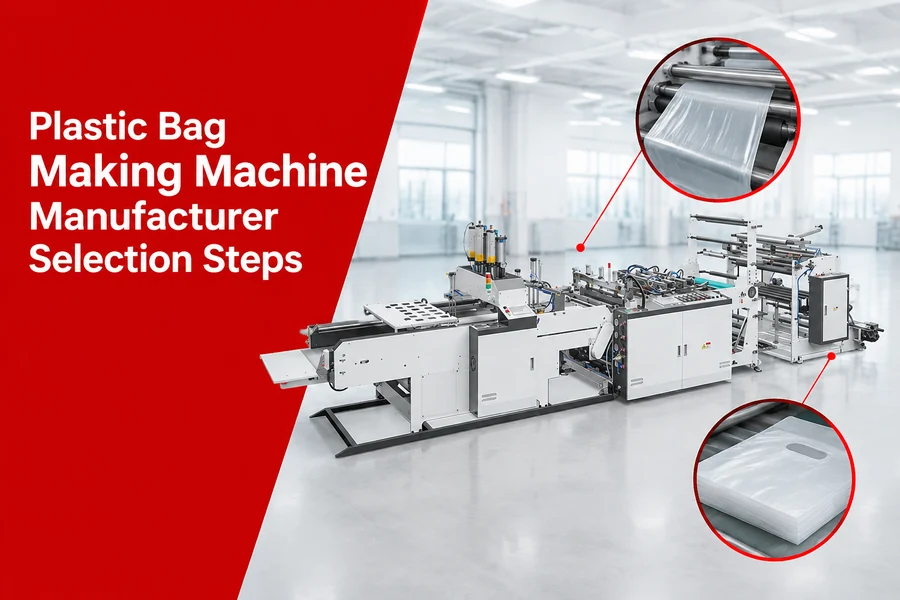
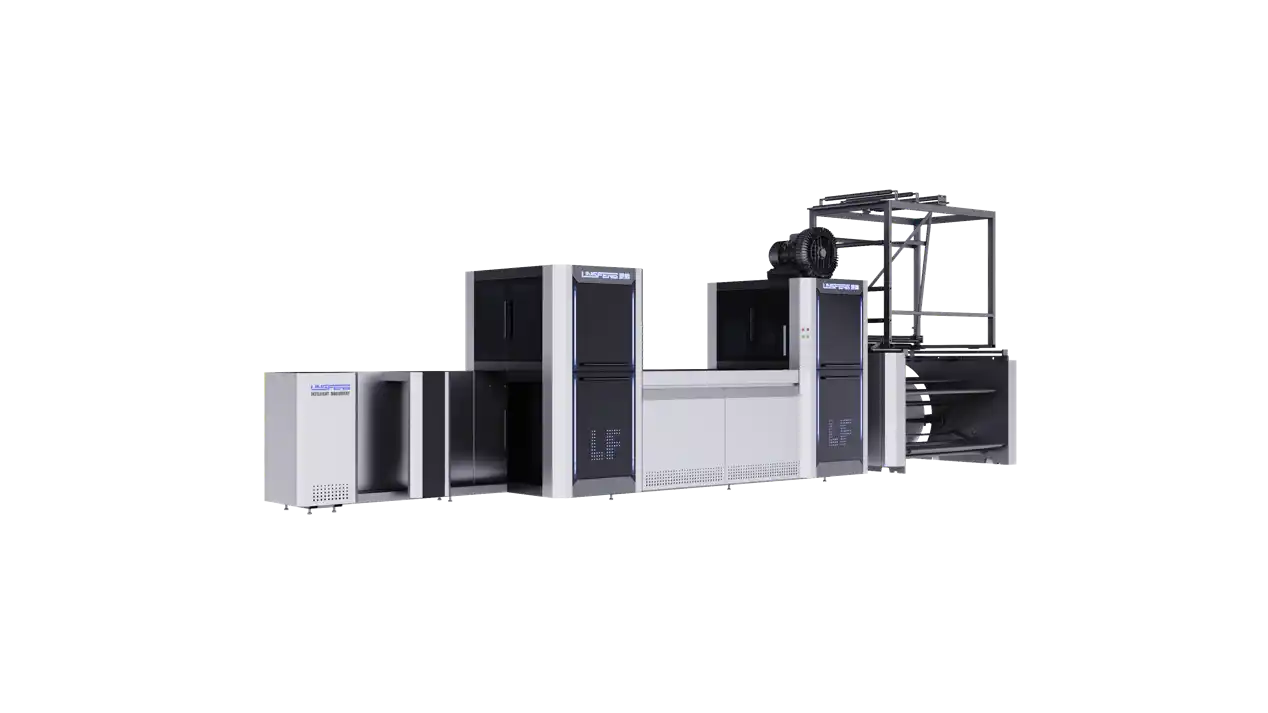
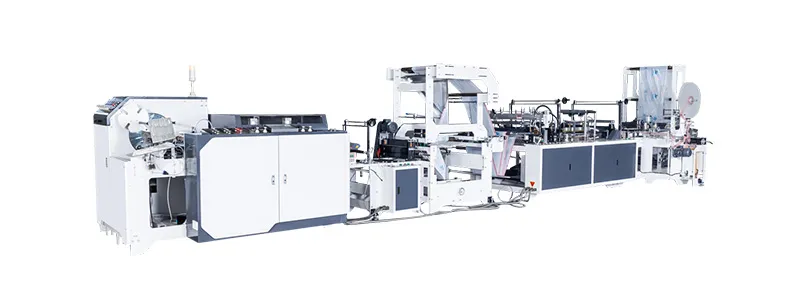
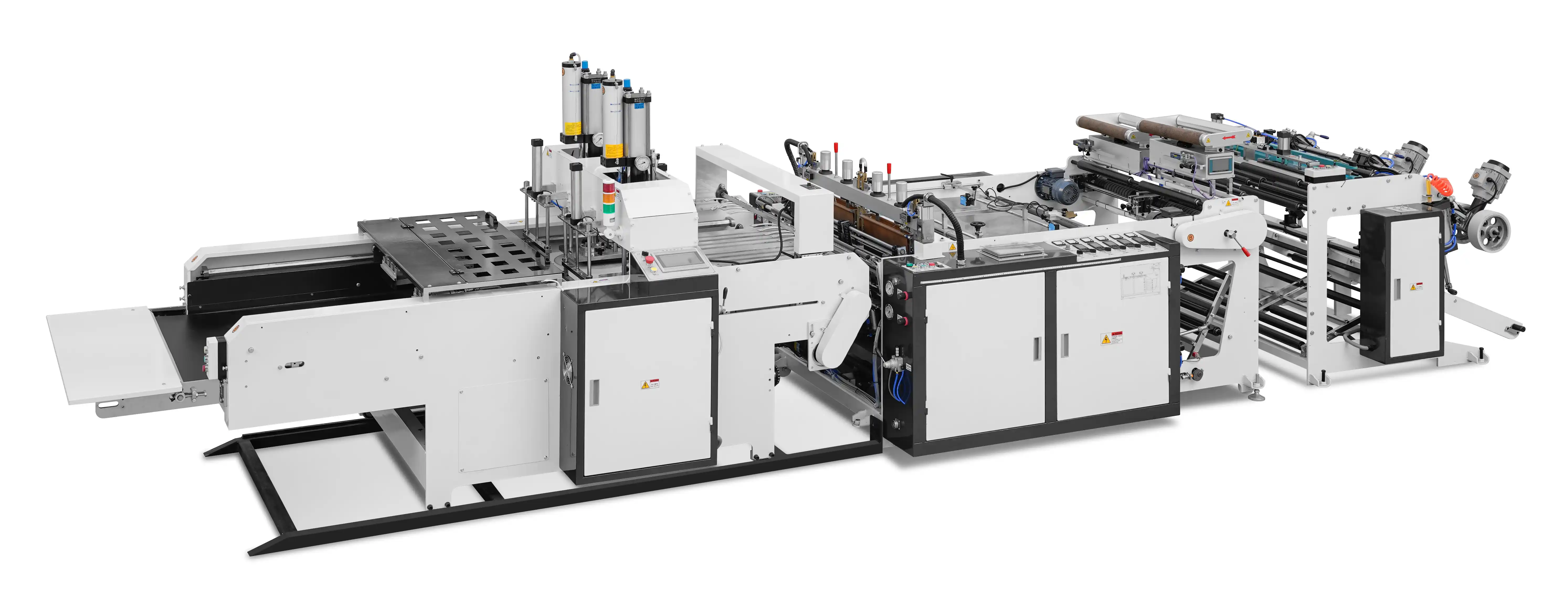
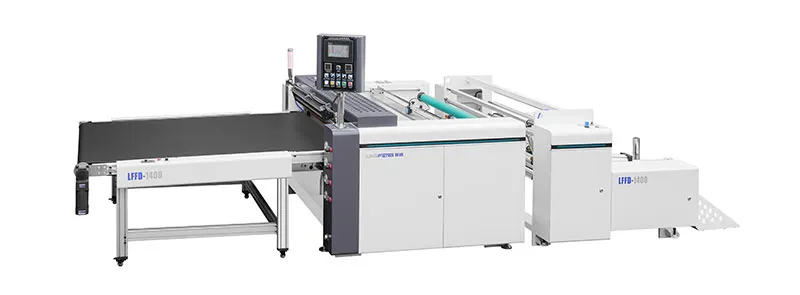
Article Overview: This guide provides procurement managers, sourcing teams, and project engineers with a structured approach to evaluating HDPE processing machinery. It covers raw material considerations, key application segments, critical procurement checkpoints, RFQ structuring, and supplier risk mitigation. The goal is to reduce purchasing errors and ensure alignment with production requirements.
High-density polyethylene (HDPE) remains a cornerstone material in flexible packaging, disposable products, and industrial films. Its versatility, strength, and recyclability drive consistent demand across sectors such as retail, healthcare, food service, and agriculture. For buyers tasked with acquiring HDPE bag making machines, glove making lines, or related converting equipment, the procurement decision carries significant operational and financial weight. A misstep in supplier selection or specification can lead to production bottlenecks, quality issues, or costly downtime. This article offers a systematic framework to evaluate suppliers, prepare RFQs, and validate equipment performance before purchase.
Understanding HDPE as a Raw Material: Properties, Grades, and Supply Considerations
Before investing in processing machinery, buyers must understand the material's characteristics and how they influence machine design. HDPE is a thermoplastic with a high strength-to-density ratio, excellent moisture resistance, and good chemical stability. It is commonly used for products like T-shirt bags, trash bags, disposable gloves, and industrial liners.
Key properties to consider include:
- Melt flow index (MFI): Affects processing speed and film thickness control. Lower MFI grades are typical for blown film extrusion used in bag making.
- Density: Standard HDPE ranges from 0.941 to 0.965 g/cm³. Higher density yields stiffer films, suitable for merchandise bags.
- Additives: UV stabilizers, anti-static agents, or slip additives may be required for specific end uses. Confirm compatibility with your production line.
Procurement managers should also evaluate supply chain reliability for HDPE resin. Price volatility and regional availability can affect production costs. When specifying machinery, ensure the equipment can accommodate a range of resin grades and additive formulations to maintain flexibility. For instance, a modern glove making machine designed for HDPE should handle material thickness variations without frequent adjustments, typically via a servo-driven unwinding system and adaptive sealing controls.
Key Applications and Product Segments for HDPE Machinery Buyers
HDPE converting equipment serves several high-volume product categories. Understanding the application landscape helps buyers match machine capabilities to market demand.
- Shopping and merchandise bags: T-shirt bags (die-cut handle bags) are a staple in retail. Machines with servo-driven bottom sealing and punching stations ensure high-speed output and precise handle cutting. A bottom sealing bag making machine with soft loop handle capability can serve both standard and premium bag demands.
- Trash bags and liners: Star-sealed or gusseted bags require robust side sealing and wicketing systems. High-speed wicket bag machines are typical for this segment, often featuring automated stacking and counting for efficient packaging.
- Disposable gloves: HDPE gloves are widely used in food handling, cleaning, and healthcare. Production lines must ensure consistent film thickness, sealing integrity, and efficient die-cutting. Look for machines that integrate these functions in a single process, with real-time quality monitoring.
- Roll stock for automatic packaging: Bags on rolls (with or without draw tape) are popular for continuous packaging operations. Machines that produce interleaf or overlap drawstring bag rolls require precise tension control and folding mechanisms, often achieved through closed-loop servo systems.
By mapping your target product portfolio to available machine types, you can narrow the field of suppliers and avoid paying for unnecessary features.
Critical Procurement Checkpoints When Evaluating HDPE Processing Equipment
Buyers often focus on price and speed but overlook factors that affect long-term total cost of ownership. Use the following checkpoints when reviewing supplier quotations.
Machine Construction and Material Handling
Examine the frame rigidity, roller materials, and sealing bar durability. For high-speed operation, servo-driven systems provide better control and lower waste compared to mechanical clutches. Verify that the unwind and rewind units handle core sizes and roll weights typical for your production floor. Inquire about the use of hardened steel or ceramic-coated rollers for abrasive HDPE films.
Sealing Technology
Bottom sealing, side sealing, and punch-and-seal methods each have specific trade-offs. For example, bottom sealing with hot knife or ultrasonic cutting affects bag strength and edge finish. Ask the supplier for sealing temperature and pressure ranges, and request a trial run with your target material grade. Evaluate the sealing bar life expectancy and replacement cost.
Automation and Integration
Modern HDPE bag machines incorporate PLC controls, touchscreens, and remote diagnostics. Assess whether the control system supports recipe storage, production counting, and fault alarms. If your facility uses a central manufacturing execution system, confirm communication protocol compatibility (e.g., OPC UA, Modbus). Advanced systems may offer IoT connectivity for predictive maintenance.
Speed vs. Consistency
A machine advertised at 200 cycles per minute may not maintain quality at that speed. Request data on uptime rates, scrap percentages, and changeover times. Example scenario: A buyer evaluating two T-shirt bag machines—one rated at 180 ppm with 97% uptime and another at 200 ppm with 92% uptime—may find the first machine more cost-effective over a production month when factoring in material waste and labor costs.
Structuring Your RFQ for HDPE Bag and Glove Making Machines
A well-structured RFQ reduces ambiguity and helps suppliers provide accurate quotes. Include the following sections:
- Product specifications: Bag dimensions, thickness range, handle type, sealing style, and printing requirements (if inline). For gloves, specify size, thickness, and cuff type.
- Material parameters: HDPE grades you plan to use (MFI range, density, additives). Indicate if you may switch to LDPE or blends.
- Production targets: Required output per shift, maximum roll weight, and changeover frequency between product SKUs.
- Site conditions: Available floor space, power supply voltage (380V/400V/480V, 3-phase), compressed air pressure, and ambient temperature range.
- Acceptance criteria: Define quality benchmarks such as seal strength (N/cm), dimensional tolerance, and bag leak rate (for gloves). Include a process capability study if possible.
- After-sales requirements: Warranty period, response time for spare parts, availability of remote support, and training packages for operators.
Request references from the supplier for similar installations. Ask for contact details of at least three facilities where the machine model is in production. Verify production claims with those references, focusing on uptime, scrap rates, and service responsiveness.
Risk Mitigation: Validating Supplier Capability and After-Sales Support
Procurement mistakes often stem from insufficient due diligence on the supplier's technical and service capabilities. To minimize risk:
- Visit the factory or request a live video walkthrough: Inspect the assembly area, quality control procedures, and test facilities. Look for systematic documentation of machine testing and calibration.
- Review spare parts availability: Ask the supplier for a list of critical wear parts (sealing bars, blades, rollers) and their lead times. Some suppliers maintain regional stock or offer consignment inventory for high-volume buyers.
- Assess training and documentation: Ensure the supplier provides detailed manuals in English (or your local language) and offers on-site or virtual training. Complex machines may require periodic retraining to maintain efficiency.
- Check compliance with safety standards: For machinery sold internationally, confirmation of CE, UL, or other certifications may be necessary. Request a declaration of conformity and check for local regulatory approvals.
- Evaluate payment terms and milestones: Typical terms include a deposit (30-50%), progress payment at factory acceptance test (FAT), balance upon shipment or installation acceptance (SAT). Define clear FAT and SAT criteria in the contract, including performance benchmarks and allowable defect rates.
An example scenario: A sourcing team in Southeast Asia ordered a high-speed bag machine from a supplier without a factory audit. The machine arrived with misaligned sealing bars, and the supplier's service engineer took three weeks to arrive. The subsequent downtime erased the price advantage. Avoid such pitfalls by incorporating validation steps into your procurement timeline, such as a pre-shipment inspection and a clear penalty clause for delayed commissioning.
Frequently Asked Questions
What are the main differences between HDPE and LDPE bag making machines?
HDPE machines typically require stronger sealing pressure and precise temperature control due to the material's higher stiffness and narrower processing window. LDPE machines often run at lower temperatures and may have different screw designs. Some machines are designed to handle both materials with adjustments, but it is generally more cost-effective to use dedicated equipment for high-volume production.
How should I calculate the required machine speed for my production volume?
Determine your target monthly output in pieces or rolls, factor in planned downtime (maintenance, shift changes), and divide by the effective working hours. Add a buffer (10-20%) for peak demand. Use this effective speed as a minimum requirement when comparing machines. Also consider the machine's ability to maintain speed during material roll changes and product changeovers.
What certifications should I look for in a HDPE bag making machine?
Common certifications include CE (European safety standards), UL for electrical components, and ISO 9001 for quality management systems. For export to specific regions, additional local certifications may be required. Always verify that the certification covers the entire machine model, not just individual components, and request a copy of the certification document.
Can I retrofit an existing bag machine to process HDPE if it was originally designed for LDPE?
It depends on the machine's heating capacity, sealing mechanism, and drive strength. Retrofitting may require replacing sealing bars, upgrading the temperature control unit, and modifying the film tension system. A cost-benefit analysis is recommended; often, a dedicated HDPE machine is more reliable and yields better overall efficiency, especially for high-speed lines.
What spare parts should I stock for a HDPE glove making machine?
Essential spares include sealing dies, cutting blades, heating elements, photo sensors, and servo drive components. Some suppliers offer pre-packaged spare kits for the first year of operation. Stock levels should cover at least one replacement cycle based on estimated wear life. For critical parts like sealing dies, consider ordering a full set to avoid extended downtime during replacement.
How do I evaluate the total cost of ownership for HDPE processing machinery?
Consider initial capital cost, installation expenses, energy consumption, consumable parts (sealing bars, blades), maintenance labor, and potential downtime costs. Calculate cost per thousand bags or gloves produced. Factor in the machine's expected lifespan and resale value. Suppliers that provide transparent data on power usage and spare part lifespans allow for a more accurate TCO analysis.
Conclusion
Procurement of HDPE processing machinery is a multi-dimensional decision that affects production efficiency, product quality, and operational costs. By understanding material properties, mapping applications, applying structured checkpoints, and preparing detailed RFQs, buyers can significantly reduce the risk of wrong purchases. Validating supplier capability through factory visits, reference checks, and clear contractual milestones further safeguards the investment.
For sourcing teams evaluating specific machine types, consider exploring dedicated equipment such as high-speed double-lines bag-on-roll machines for high-volume roll stock production, or automatic draw tape bag-on-roll machines for convenience packaging. Each product line has unique specifications that should be matched to your production plan. With a disciplined procurement approach, you can build a reliable converting line that meets both current and future market demands.





 EN
EN
 ES
ES
 AR
AR