EN
EN
 ES
ES
 AR
AR


Article Overview: This article provides a structured comparison of T-shirt bag making machine configurations—standalone bag machines, bag-on-roll systems, and bottom-sealing variants. By examining common specification pitfalls, key technical parameters, and real-world production constraints, procurement teams can build an objective evaluation framework. The goal is to help CTOs, technical architects, and evaluation committees select equipment that aligns with their film type, volume, and end-use requirements without over-investing or under-scoping.
Introduction: The hidden cost of mis-specifying a T-shirt bag machine
T-shirt bags (also called vest bags or die-cut handle bags) are among the most ubiquitous plastic packaging items, yet the machinery used to produce them is often selected on incomplete criteria. Many teams focus narrowly on maximum line speed or price, ignoring downstream implications such as sealing reliability, film compatibility, and changeover complexity. The result is a machine that either cannot hold bag-to-bag consistency at the required throughput or that requires expensive retrofits within the first year. This article breaks down the decision into compare-by-criteria logic, covering machine formats, sealing technologies, automation levels, and end-use fit.
Common specification mismatches in T-shirt bag production
The first mistake teams make is assuming all T-shirt bag making machines are functionally interchangeable. In reality, the production format—standalone T-shirt bag machine, bag-on-roll machine, or bottom sealing machine—determines the bag’s final handling, packing, and downstream use.
For example, a high-speed standalone machine may produce individual bags at rates exceeding 100 pieces per minute, but if the bags are destined for retail self-service checkout, they typically need to be stacked and handled in packs of 50–500. Without an integrated stacking and counting system, the line becomes a bottleneck. Conversely, bag-on-roll machines produce continuous rolls ideal for automated dispensing, but often operate at lower piece rates per lane. The trade-off is between piece throughput and downstream automation compatibility.
Another common mismatch involves film type. T-shirt bags are most often made from HDPE or LLDPE, but some machines are optimized for thinner films (down to 10–15 microns) while others require higher gauge material to maintain seal integrity. Specifying a machine without confirming its minimum and maximum film thickness range leads to frequent seal failures or wasted material.
Comparing production formats: standalone, bag-on-roll, and bottom-seal hybrids
To compare objectively, we use three criteria: output format, sealing mechanism, and changeover flexibility.
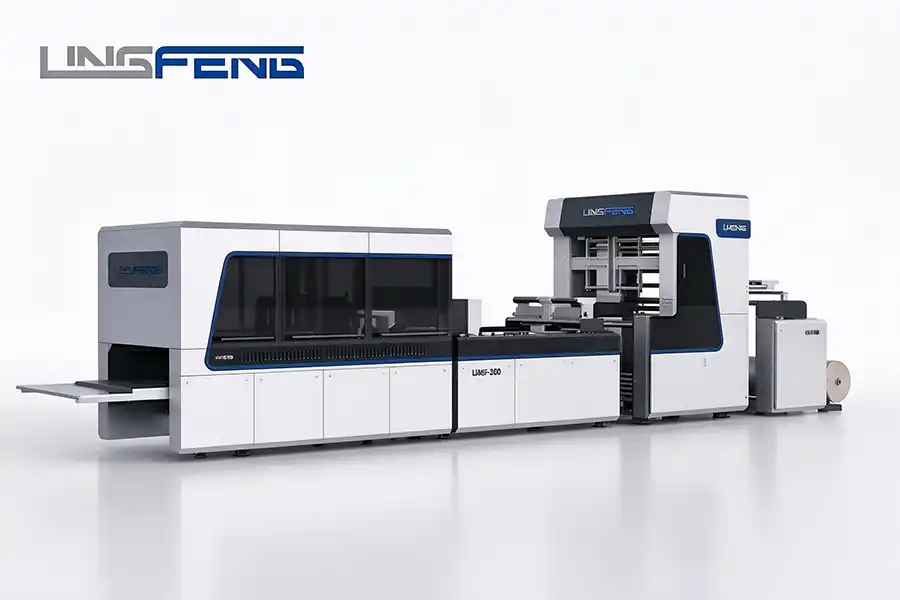
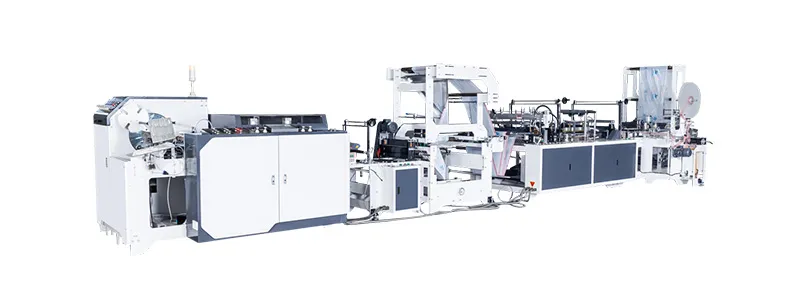
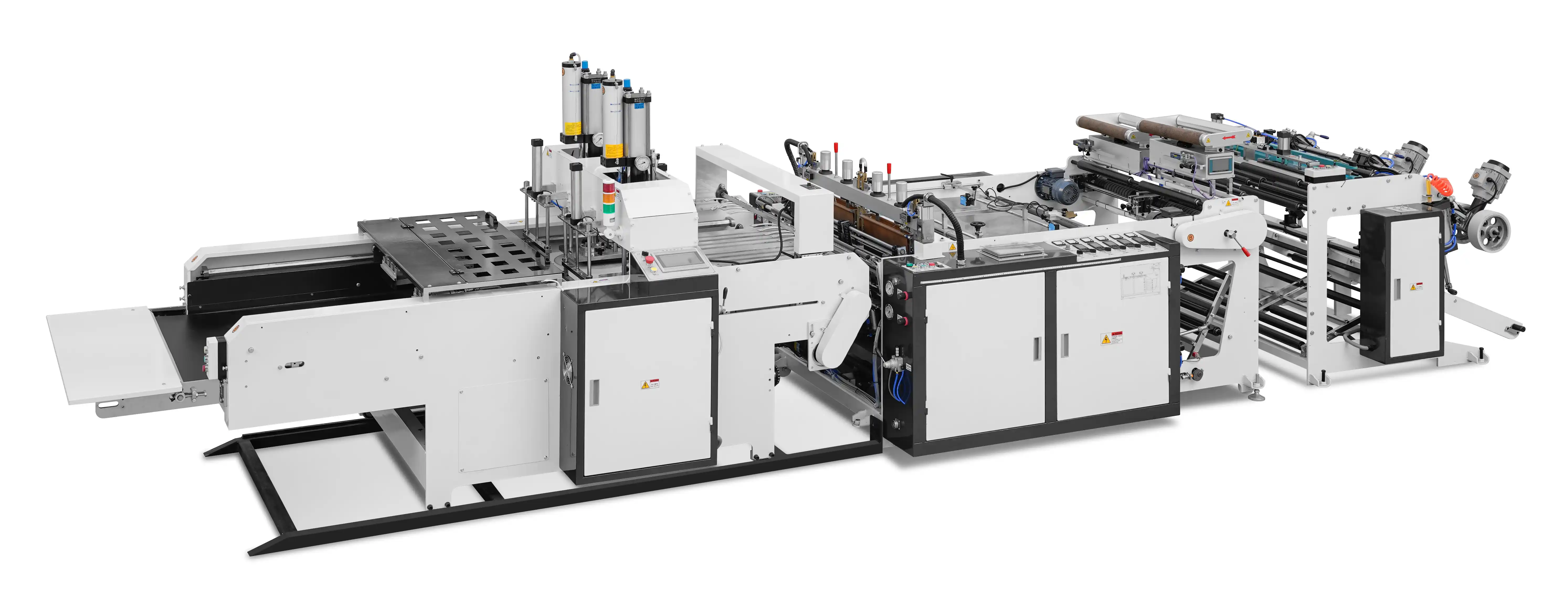
Standalone T-shirt bag machine: Typically a single- or double-lane line that cuts, seals, and punches handles to produce individual bags. These machines excel at high volume runs of a single bag design. They often include servo-driven tension control and electronic sealing control. Machines in this category can reach speeds up to 220 bags/minute per lane. However, they require manual handling for stacking and packing unless an automated take-away system is added. For a deeper look at dedicated models, refer to T Shirt Bag Making Machines.
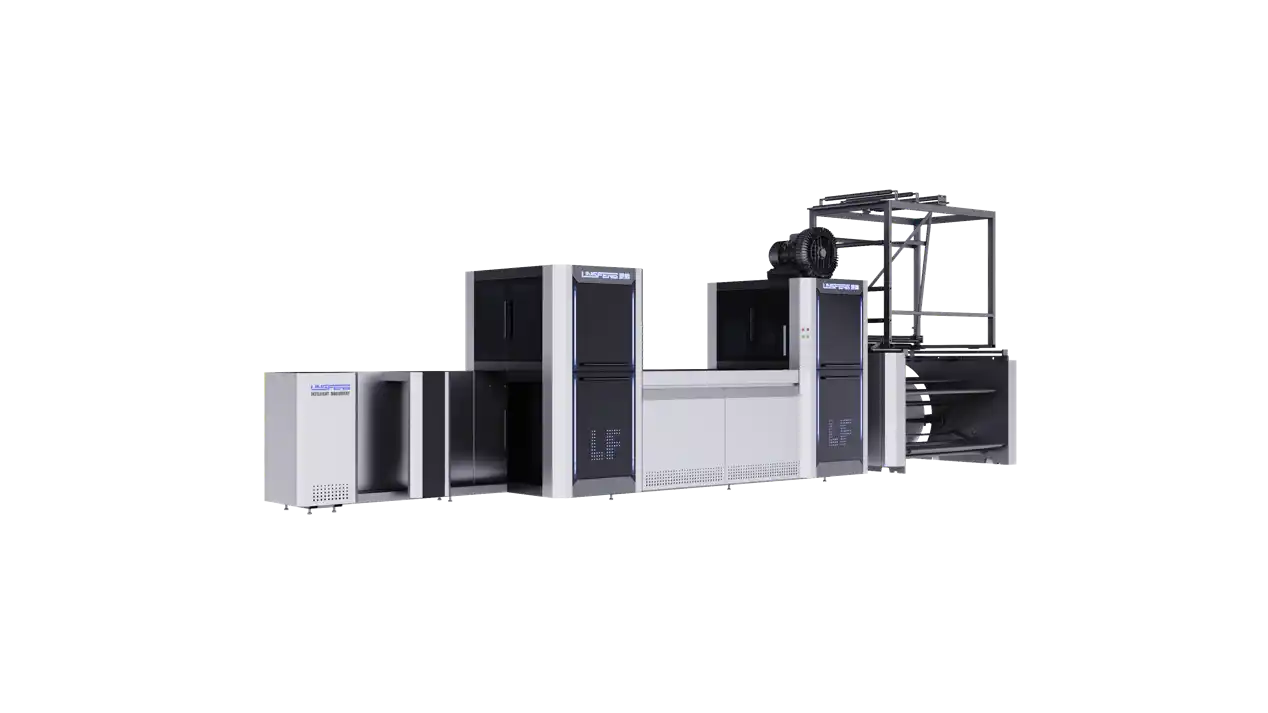
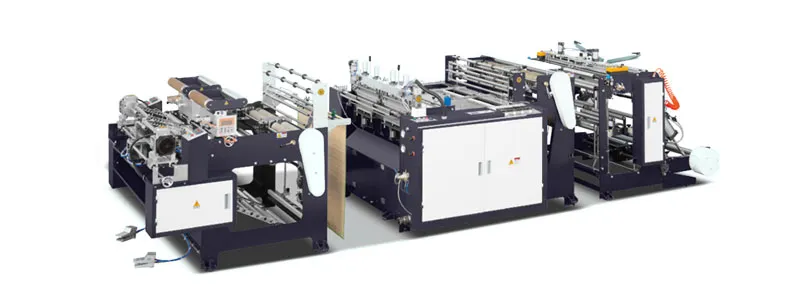
Bag-on-roll machines: These produce a continuous tube of bags with perforations, wound onto a core. The primary advantage is ease of dispensing at the point of use, but the machine must synchronize sealing, perforation, and winding with high precision. Roll diameter and core size become critical parameters. For more details on this format, see Bags On Roll Making Machines.
Bottom-seal machines with handle add-ons: Some teams mistakenly specify a bottom sealing machine when they need T-shirt bags. Bottom sealing machines produce bags sealed at the bottom only, with no handle cutout. To produce T-shirt bags, a die-cut station and handle punch must be added, increasing complexity. However, if the application requires both bottom-seal bags and T-shirt bags, a hybrid line can reduce equipment count. To explore configurations, visit Bottom Sealing Bag Making Machines.

Key technical parameters to compare across machine types
When evaluating any T-shirt bag production equipment, the following six parameters should be compared side by side:
- Effective sealing width and length: Determines maximum bag dimensions. Most T-shirt bag machines offer widths from 200 mm to 700 mm. Ensure your bag size falls within 80% of the maximum to allow stable operation.
- Sealing temperature control range: Different films require different sealing temperatures. HDPE typically seals between 130°C and 170°C, while LLDPE may need 150°C–190°C. Machines with PID temperature control provide consistent seal quality.
- Line speed and acceleration profile: Manufacturers often quote peak speeds, but continuous operation at 85% of max is realistic. Compare effective throughput rather than theoretical maximum.
- Film tension and web guiding: For thin films, automatic tension control and edge-guided unwinding prevent wrinkles that cause mis-seals or missed cuts.
- Servo vs. mechanical drive: Servo-driven machines allow quick format changes and better repeatability, especially for bag-on-roll applications where registration must be maintained across perforations.
- Material yield and scrap rate: Lower scrap rates directly affect total cost of ownership. Machines with high-quality sealing bars and precise punching reduce waste.
Evaluating automation and integration requirements
Automation level is one of the most frequent sources of cost overruns. A basic machine may require three operators to clear jams, load film, and package bags. A fully automated line with automatic film splicer, thickness gauge, reject system, and robotic palletizing can run with one operator or even semi-attended. However, the incremental automation cost must be justified by volume and labor availability.
For teams producing bags for grocery or retail chains, integration with downstream packing and labeling is often mandatory. This favors bag-on-roll machines because the roll format integrates directly with dispensing systems. For wholesale distribution of loose bags, standalone machines with integrated bag counter and stacker are more suitable.
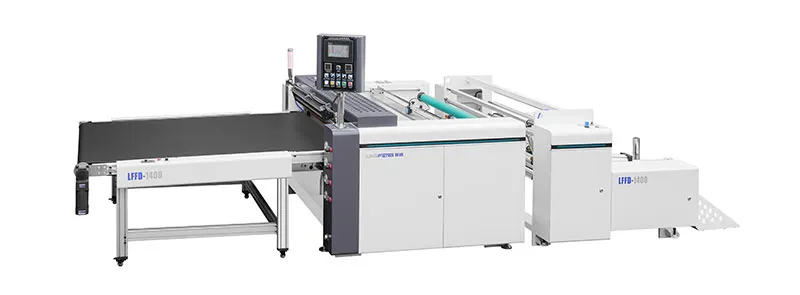
Another integration consideration is film blowing. If you are producing bags from in-house blown film, coordinating the blow line output with bag machine input is critical. Using an automatic roller changer, such as those available through Function Customization Category, can reduce downtime during film roll changes.

Decision framework: matching machine to production volume and end-use
To guide selection, consider this three-step framework:
- Define bag specifications: Width, length, film thickness, handle style (die-cut, drawtape, pinch closure), and packaging format (loose packs vs. rolls). For environmentally focused applications, note that biodegradable bags require machines with sealing systems that can handle PLA or PBAT blends, which have narrower temperature windows. More on eco-friendly options can be found at Biodegradable Bags.
- Estimate volume and SKU diversity: High volume with few SKUs favors a dedicated standalone T-shirt bag machine with minimal changeover. High SKU diversity with moderate volume suggests a bag-on-roll machine with quick-change tooling. Very low volume or custom runs may be better outsourced.
- Assess existing infrastructure: Available floor space, power supply, compressed air capacity, and operator skill level all affect machine suitability. Servo-driven machines often require electrical upgrades, while pneumatic machines need reliable compressed air.
Example scenario: A mid-size processor currently producing 500,000 T-shirt bags per month for local grocery chains. They use 18-micron HDPE film. If they plan to expand to 1.5 million bags/month and also offer a bag-on-roll SKU, a single double-line standalone machine plus a bag-on-roll unit may be more cost-effective than a single hybrid line that requires slower changeovers.
FAQ
What is the difference between a T-shirt bag machine and a bag-on-roll machine?
A T-shirt bag machine produces individual bags with punched handles, typically stacked in packs. A bag-on-roll machine produces a continuous tube of bags with perforations, wound onto a core for dispensing. Both can produce T-shirt style bags, but the output format is different.
Can a bottom sealing machine produce T-shirt bags?
Not directly. A bottom sealing machine produces bags sealed at the bottom only. To add handles, you need an additional die-cut station and handle punching mechanism. Some manufacturers offer modular add-ons, but this increases complexity and reduces overall efficiency.
How do I decide between servo-driven and pneumatically controlled machines?
Servo-driven machines offer higher speed, better repeatability, and easier format changes. Pneumatic machines are generally lower in initial cost but may have slower changeovers and less precise tension control. For high-speed T-shirt bag production, servo systems are recommended.
What film types are most commonly used for T-shirt bags?
HDPE and LLDPE are most common. HDPE is used for lightweight bags (10–20 microns). LLDPE is tougher and used for heavier bags. Some machines can handle both, but sealing parameters must be adjusted. For biodegradable resins, verify machine compatibility with PLA or PBAT.
What is the typical payback period for a T-shirt bag making machine?
Payback depends on volume, local film and labor costs, and machine automation level. For a machine producing 500,000 bags/month, payback can be 12–24 months. A more automated line with higher throughput may have a shorter payback if labor savings are significant.
Conclusion
Specifying a T-shirt bag making machine is not simply a matter of picking the fastest model. The choice between standalone, bag-on-roll, and hybrid systems involves trade-offs in output format, sealing technology, automation, and material compatibility. By applying a criteria-driven comparison framework and considering future volume and SKU needs, buyers can avoid common specification errors and select equipment that delivers consistent quality and operational efficiency. Neutral evaluation—without assuming one format is inherently superior—leads to better long-term investment decisions.