English
 Español
 عربي
عربي 

Article Overview: This article provides an objective comparison framework for evaluating t-shirt bag making machines. It highlights common specification errors, key criteria such as speed, seal integrity, and film compatibility, and offers a decision-oriented approach for procurement teams, CTOs, and technical architects. The goal is to help buyers avoid hype-driven decisions and instead focus on operational fit and total cost of ownership.
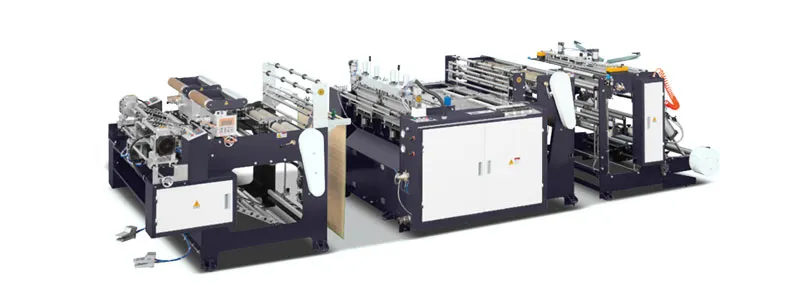
Common Mistakes in T-Shirt Bag Machine Procurement
Many teams start the specification process by focusing on maximum production speed. While speed is a visible metric, it often leads to overlooked trade-offs. For example, a machine capable of 200 bags per minute may produce inconsistent seals when running thin HDPE films, leading to high rejection rates. Another frequent error is choosing a machine designed for cut-and-stack bags when the downstream packaging line requires bags on a roll. Such mismatches cause costly retrofits or reduced line efficiency.
Procurement committees also tend to underestimate the importance of film material compatibility. A machine that handles LDPE flawlessly may struggle with biodegradable or recycled blends. As a result, the seemingly straightforward decision of selecting a t-shirt bag making machine becomes a complex trade-off between speed, material flexibility, and downstream integration.

Key Evaluation Criteria: Speed, Seal Integrity, and Film Compatibility
To avoid these pitfalls, a structured evaluation should prioritize three dimensions: production speed, seal quality, and film compatibility. These criteria are interdependent and must be balanced according to your specific application.
Speed
Speed is often cited as the primary differentiator. However, top speed ratings are usually achievable only under ideal conditions — consistent film gauge, stable temperature, and minimal waste. In practice, many lines run at 70-80% of rated speed. When comparing machines, request cycle-time data under realistic film conditions. For instance, a double-line machine may advertise 150 cycles per minute, but actual throughput when running 20-micron film may be lower. Insist on validated figures from suppliers.
Seal Integrity
For t-shirt bags, the bottom seal and handle cut must withstand repeated loading. Leakers or weak seals generate customer complaints and returns. Seal quality depends on heating element control, pressure consistency, and cooling time. Machines with servo-driven sealing stations often provide more repeatable results than mechanical cam systems. Ask for seal strength test data across the machine’s speed range.
Film Compatibility
Today’s packaging environment includes conventional polyethylene, compostable films, and multi-layer laminates. Not all machines can handle these variations. A machine optimized for HDPE may produce wrinkled seals on starch-based films. Ideally, the machine should offer adjustable temperature profiles and tension control to accommodate different materials. The bottom sealing bag making machines often have broader material compatibility ranges, which can inform your specification.

Mechanical Configurations: Single-Line vs Double-Line and Drive Systems
This section compares the main mechanical architectures available in t-shirt bag making machines.
| Criteria | Single-Line | Double-Line |
|---|---|---|
| Output | Lower, but easier to maintain | Higher, but more complex |
| Flexibility | Quick changeovers for short runs | Best for high-volume standard products |
| Space | Compact footprint | Larger footprint |
| Operator skill | Lower required | Higher required |
Drive Systems: Servo-driven machines offer precise control over film indexing and sealing timing, reducing waste. Mechanical cam systems are simpler and cheaper but less accurate, especially at high speeds. For frequent film changes, servo drives are recommended. If your production mix is stable, cam-based machines may provide a lower initial investment.
Additionally, consider whether the machine includes automatic roller changers to reduce downtime. This feature is particularly valuable when running multiple film types in a single shift. Some suppliers offer this as an integral option.
Bag-on-Roll vs Cut-and-Stack: Choosing the Right Format
One of the most critical decisions is whether to produce t-shirt bags in roll form or as cut-and-stack packs. Each format serves different downstream packaging lines.
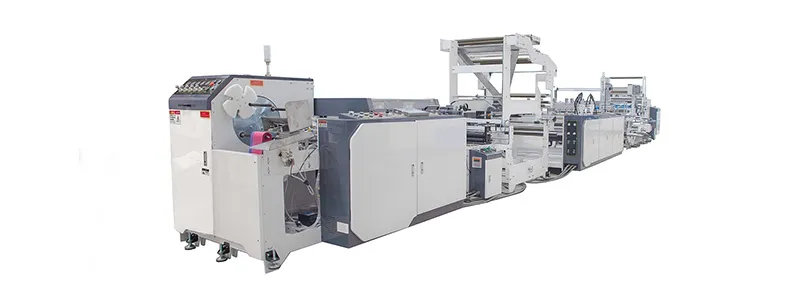
Bag-on-Roll (BOR): Preferred for automated bag dispensing systems in retail or food service. BOR machines typically include core winding, perforation, and roll packaging. The bags on roll making machines category illustrates how star sealing or draw tape options integrate into a continuous process. However, BOR machines require additional tension control to avoid film stretching and core slippage. They also cost more in terms of initial investment and floor space.
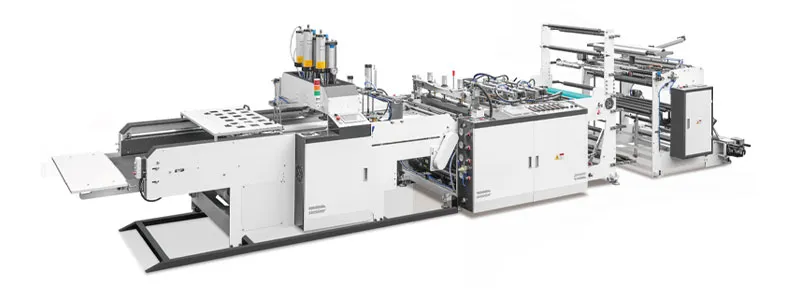
Cut-and-Stack: This format is common for small retail bags sold in bundles. Cut-and-stack machines are simpler, often with higher speed per line, but they require manual packing or an automated stacker. They are less suitable for integration with automatic bagging lines. The trade-off is lower capital cost versus reduced automation compatibility.
When evaluating, map your entire packaging line from film extrusion to bag filling. If your downstream line handles rolls, invest in BOR. If manual packing is acceptable, cut-and-stack may be adequate. A common mistake is selecting a machine based on standalone speed without considering the entire workflow.
Total Cost of Ownership: Energy, Maintenance, and Downtime
Beyond purchase price, total cost of ownership (TCO) includes energy consumption, spare parts, and unplanned downtime. Servo-driven machines often have higher energy efficiency than pneumatic equivalents. However, their control boards and motors can be costly to replace. Mechanical machines have lower electronic complexity but higher mechanical wear.
Maintenance contracts should cover: seal bars (replaceable every 6-12 months), cutting blades, and tension sensors. Machines with modular designs allow quicker repairs. Estimate annual maintenance cost as 5-10% of machine price. Also factor in operator training: advanced PLC-controlled machines require skilled technicians, which may increase labor costs.
Downtime risk can be mitigated by selecting machines with industry-standard components. Avoid proprietary parts that restrict sourcing. Review the supplier’s spare parts availability and lead times. If multiple lines are planned, standardization on one platform simplifies inventory.
Frequently Asked Questions
- What is the typical payback period for a t-shirt bag making machine?
Payback periods vary from 12 to 30 months depending on output volume, material costs, and labor savings. Larger double-line machines produce more bags per shift, shortening payback. - Can a single machine handle both HDPE and biodegradable films?
Not all machines can. Look for adjustable temperature control and servo-driven tension systems. Some machines, like those with star sealing options, offer broader material compatibility. - What is the difference between bottom sealing and side sealing for t-shirt bags?
Bottom sealing creates the bag’s base; side sealing forms the sides. T-shirt bags typically use bottom sealing with side gussets. Machines in the bottom sealing category are more relevant than side sealing machines for this application. - How important is a servo-driven system?
Servo drives improve seal accuracy and reduce waste. For high-volume production with frequent film changes, servo is recommended. For stable, long runs, mechanical drives can be cost-effective.
Conclusion
Selecting the right t-shirt bag making machine requires moving beyond simple speed comparisons. Teams that systematically evaluate seal integrity, film compatibility, mechanical configuration, and total cost of ownership make more informed decisions. Avoid the common trap of prioritizing a single metric; instead, create a weighted scorecard based on your specific production context. Use this framework to guide discussions with suppliers and to explore the full range of available technologies. A calmer, methodical approach will yield a machine that fits your line — not just on paper, but in operation.