English
 Español
 عربي
عربي 

Article Overview: This article provides a neutral, analytical comparison of HDPE bag making equipment focusing on side sealing and bottom sealing process routes. It is designed for CTOs, technical architects, procurement teams, and evaluation committees who need an objective framework to assess machine options, understand trade-offs, and make informed sourcing decisions. The analysis covers technical specifications, operating implications, material compatibility, and risk factors without promoting any single brand.

Understanding HDPE Material Properties and Process Implications
High-density polyethylene (HDPE) is a widely used thermoplastic known for its strength, stiffness, and chemical resistance. Compared to low-density polyethylene (LDPE), HDPE offers higher tensile strength and lower permeability, making it ideal for applications such as T-shirt bags, garbage bags, and medical waste bags. However, HDPE's limited flexibility and lower melt strength impose specific constraints on bag making processes. For instance, HDPE films have a narrower sealing temperature window and are more prone to curling or wrinkling during high-speed production. These material characteristics directly influence whether a side sealing or bottom sealing machine configuration is more suitable. When evaluating equipment, procurement teams should verify that the sealing system (e.g., hot knife, impulse, or servo-driven flying knife) is calibrated for HDPE's thermal behavior. Additionally, operators must account for the film's orientation and thickness variation, which can affect seal integrity and bag dimensions. A machine designed for LDPE may require adjustments to run HDPE reliably, so it is critical to confirm the manufacturer's specifications and field experience with HDPE runs.
Side Sealing Bag Making Machines: Technical Fit and Operating Considerations
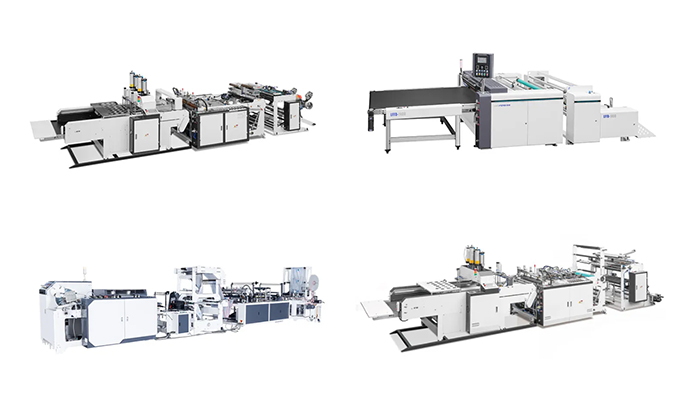
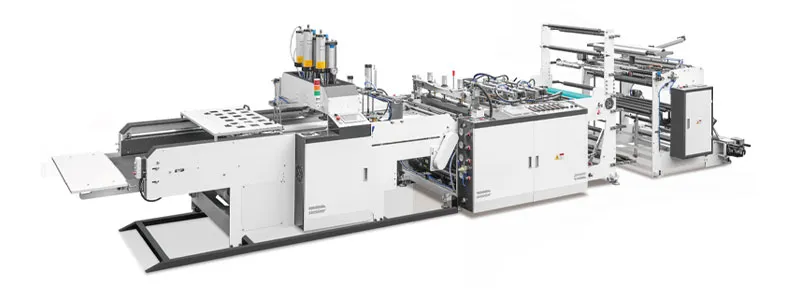
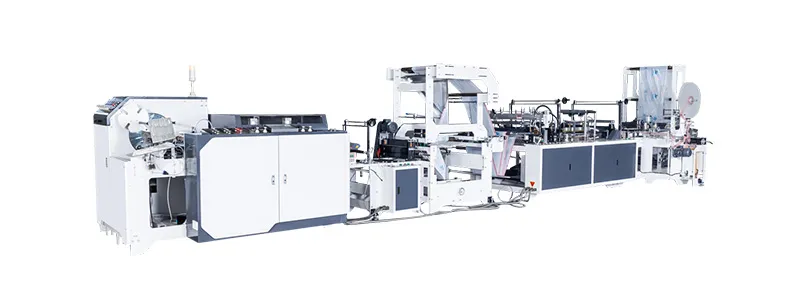
Side sealing machines produce bags by sealing and cutting along the sides of the film web, typically forming a continuous tubular shape that is later cut into individual bags. This process is common for producing T-shirt bags, merchandise bags, and other open-mouth bags. In side sealing, the film is fed horizontally, and sealing bars apply heat along both edges simultaneously. Key technical parameters include sealing bar width, temperature control precision, and dwell time. For HDPE, side sealing machines must maintain uniform pressure and temperature to avoid weak seals or film distortion. Machines equipped with a flying knife system offer continuous operation without stopping the film, which enhances throughput but requires advanced servo motor synchronization. Operating implications: side sealing machines generally achieve higher speeds (e.g., 100–200 bags per minute) and are well-suited for simple bag designs with straight seals. However, they are less flexible for bags requiring bottom gussets or block headers. When selecting a side sealing machine, evaluate the ease of adjusting seal width and the ability to handle different film gussets. The side sealing bag making machines from Lingfeng Machinery illustrate typical configurations, including models with soft loop handle attachments that combine side sealing with additional forming stations.
Bottom Sealing Bag Making Machines: Process Route and Application Suitability
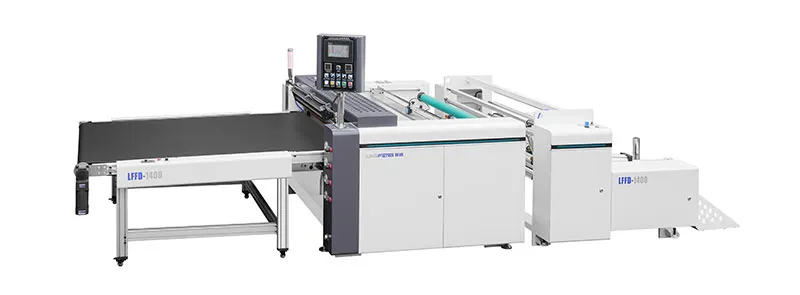
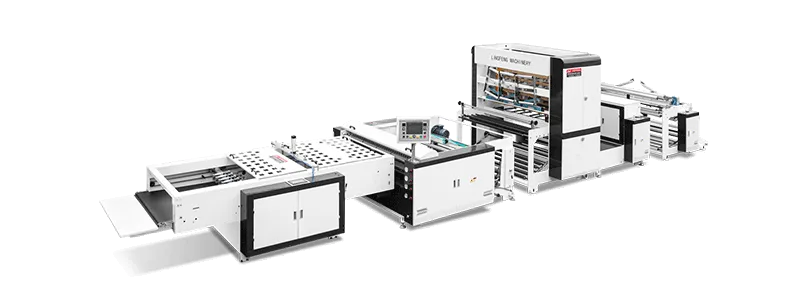
Bottom sealing machines form bags by sealing the bottom edge of a flat film tube, creating a pack of bags that are then separated by perforation or cutting. This process is predominant for trash bags, wicketed bags, and bags on rolls. In bottom sealing, the film is fed vertically and the sealing bar presses across the entire width of the tube. For HDPE, bottom sealing requires careful control of sealing temperature and pressure to prevent film distortion induced by the material's higher stiffness. Many bottom sealing machines now incorporate servo-driven sealing heads and automatic temperature adjustment to compensate for HDPE's narrower processing window. Operating implications: bottom sealing machines often produce bags with high seal strength and consistent dimensions, but they generally operate at slightly lower speeds compared to side sealing (e.g., 60–120 bags per minute) due to the need for precise seal alignment. They are ideal for applications requiring uniform bag bottoms and high-volume production of standard sizes. However, they are less adaptable for bags with side gussets or complex handle shapes. Decision makers should consider the intended bag type: for heavy-duty garbage bags or medical waste bags, bottom sealing offers robust seal integrity. The bottom sealing bag making machines product line provides examples of automatic bottom sealing with soft loop handle options, blending bottom seal reliability with handle-forming capability.
Comparison by Evaluation Criteria: Side Sealing vs Bottom Sealing for HDPE
To support an objective comparison, the following criteria should be assessed: seal strength, speed, flexibility, material waste, maintenance complexity, and total cost of ownership.
- Seal Strength: Bottom sealing machines typically achieve more consistent seal strength across a wide width because the seal bar applies uniform pressure over a straight line. Side sealing machines may produce weaker seals near the film edges if temperature distribution is not optimized. For HDPE, bottom sealing is often preferred for heavy-duty applications where seal failure is unacceptable.
- Speed: Side sealing machines generally offer higher linear speeds (up to 200 bags/minute) thanks to continuous rotary or flying knife systems. Bottom sealing machines usually operate at lower speeds (up to 120 bags/minute) but can be optimized with dual-lane or shuttle systems. The trade-off is speed versus seal accuracy.
- Flexibility: Side sealing machines can accommodate a wider range of bag widths and handle styles (e.g., die-cut handles, soft loops) by changing forming boards. Bottom sealing machines are more constrained to flat bags and may require significant changeover time for different sizes.
- Material Waste: Side sealing produces less edge trim waste because the seal is formed along the sides; however, misalignment can cause scrap. Bottom sealing inherently creates a continuous tube with no side trim, but seal failures due to film wrinkles can increase reject rates.
- Maintenance Complexity: Side sealing machines with flying knife mechanisms require precise servo maintenance and timing adjustments. Bottom sealing machines with reciprocating sealing bars are mechanically simpler but need regular seal bar alignment and temperature sensor calibration.
- Total Cost of Ownership: Initial purchase price for side sealing machines is often higher due to advanced servo systems. Bottom sealing machines may have lower upfront cost but higher per-unit labor cost if bag handling is not automated. Operators should calculate cost per bag including energy consumption, die wear, and downtime.
Decision matrix: If your production prioritizes high speed and design variety (e.g., T-shirt bags with different handle cuts), favor side sealing. If seal integrity and consistent dimensions are paramount (e.g., medical waste bags or heavy-duty garbage bags), bottom sealing is more appropriate. A hybrid approach using machines that combine both functions is also available; for example, some models integrate side sealing with bottom sealing attachments to produce bags with both side gussets and bottom seals. The T-shirt bag making machines category illustrates machines that often start with side sealing and add bottom forming stations.
Process Route Selection: From Extrusion to Finished Bag
HDPE bag production typically involves film extrusion, cooling, winding, and then converting on a bag making machine. The choice between side sealing and bottom sealing is not independent of upstream and downstream equipment. For instance, if the extrusion line produces layflat tubing with a consistent gauge, bottom sealing can be implemented directly on the tube. If the extrusion line produces sheeting that is folded, side sealing becomes necessary. In addition, downstream handling – such as bag stacking, wicketing, or roll winding – affects machine selection. For bags on roll making machines, bottom sealing is standard because the continuous tube is wound into rolls. For wicketed bags, side sealing is common. Consider the complete value chain: material sourcing (HDPE resin specification), film production (blown or cast), converting (sealing and cutting), and packaging. At each stage, evaluate compatibility with existing automation systems (e.g., servo drives, PLC controls). Non-fit cases: If your facility primarily runs LDPE, a machine optimized exclusively for HDPE may not be cost-effective unless it offers quick changeover capabilities. Similarly, if your bag designs require frequent size changes (e.g., custom order runs), the setup time of a bottom sealing machine might reduce overall efficiency. Example scenario: A medical waste bag producer requiring strict seal integrity under sterilization conditions would benefit from a bottom sealing machine with redundant temperature sensors and traceability features. In contrast, a retail bag producer with high-volume standard T-shirt bags may achieve better ROI with a high-speed side sealing machine.
Frequently Asked Questions
- What is the main difference between side sealing and bottom sealing bag making machines?
- Side sealing machines seal and cut along the sides of the film web, producing open-mouth bags like T-shirt bags. Bottom sealing machines seal the bottom of a film tube to create bags commonly used for trash bags or wicketed bags. The choice depends on bag design and production volume.
- Can HDPE be processed on a machine designed for LDPE?
- Yes, but adjustments are often needed. HDPE has a narrower sealing temperature window and higher stiffness. Retrofitting a machine for HDPE may require upgraded temperature controllers, stronger drive components, and different sealing bar coatings. Consult the manufacturer for compatibility.
- Which sealing method provides stronger seals for heavy-duty HDPE bags?
- Bottom sealing generally provides more consistent seal strength across the bag width because the sealing bar presses uniformly along a straight line. Side sealing may have weaker seals near the edges if temperature distribution is uneven. For heavy-duty applications, bottom sealing is often preferred.
- What are the key features to look for in an HDPE bag making machine?
- Key features include precise temperature control (±1°C), servo-driven sealing systems for consistent pressure, flying knife technology for continuous operation, and material handling options (e.g., automatic indexing, bag stacking). Also consider ease of changing bag size and compatibility with upstream extrusion equipment.
- How do I estimate the right machine capacity for my production volume?
- Calculate your required output in bags per minute or per hour, factoring in downtime for changeovers and maintenance. side sealing machines typically have higher speed ratings (100–200 bags/min) while bottom sealing machines (60–120 bags/min) may offer higher reliability. Always request a machine trial with your specific film and bag design.
Conclusion
Selecting between side sealing and bottom sealing bag making machines for HDPE is a decision that hinges on material properties, bag design, production scale, and operational priorities. Side sealing excels in speed and flexibility for simple open-mouth bags, while bottom sealing delivers consistent seal strength and is better suited for heavy-duty and standard-sized bags. Neither route is universally superior; the optimal choice is determined by a thorough evaluation of your technical requirements, cost constraints, and risk tolerance. By using the criteria and decision framework outlined in this article, procurement teams and technical leaders can engage with vendors from a position of knowledge, ask the right questions, and avoid costly mismatches. For further exploration of machine configurations and application-specific solutions, refer to the product categories on the Lingfeng Machinery website, including dedicated lines for T-shirt bags, bottom sealing bags, and bags on rolls.