EN
EN
 ES
ES
 AR
AR


Article Overview: This procurement checklist is designed for buyers and decision-makers responsible for sourcing t-shirt bags. It covers essential checkpoints, supplier evaluation criteria, risk controls, cost tradeoffs, and actionable next steps to ensure a successful purchase. The guide is neutral, evidence-based, and aimed at driving informed purchasing decisions.
Procurement of t-shirt bags—commonly used in retail, grocery, and food service—requires careful evaluation of specifications, supplier capabilities, and total cost of ownership. This article provides a structured approach to help procurement teams reduce risk, align with business requirements, and achieve favorable implementation outcomes.
Understanding T-Shirt Bag Applications and Specifications
T-shirt bags, also known as vest bags, are widely used for packaging groceries, takeout food, and retail merchandise. They are characterized by their cut-out handles that resemble a T-shirt shape. Typical specifications include gauge (thickness in mils or microns), dimensions (width, length, gusset), material (HDPE, LDPE, or recycled content), and print quality.
Before initiating procurement, buyers must define the intended application: heavy-duty carrier bags for bulk items, lightweight bags for rapid checkout, or eco-friendly options with biodegradable or recycled content. Each application drives different material requirements. For example, biodegradable bag options are increasingly demanded by retailers aiming to meet sustainability goals.
Procurement Checkpoints: Key Decision Factors
Procurement teams should verify the following checkpoints during the sourcing process:
- Material and Strength: Confirm the type of polyethylene (HDPE vs. LDPE) and the tensile strength required for the intended load. HDPE provides stiffness and cost savings; LDPE offers flexibility and puncture resistance.
- Dimensions and Tolerances: Ensure bag dimensions match packing stations and customer expectations. Tolerances on width, length, and handle cutouts should align with industry standards (e.g., +/- 2mm).
- Certification and Compliance: Verify that suppliers comply with local regulations (e.g., FDA for food contact, ASTM for compostability). Request material data sheets and test reports.
- Supply Reliability: Assess lead times, minimum order quantities, and production capacity. Consider backup suppliers to mitigate disruptions.
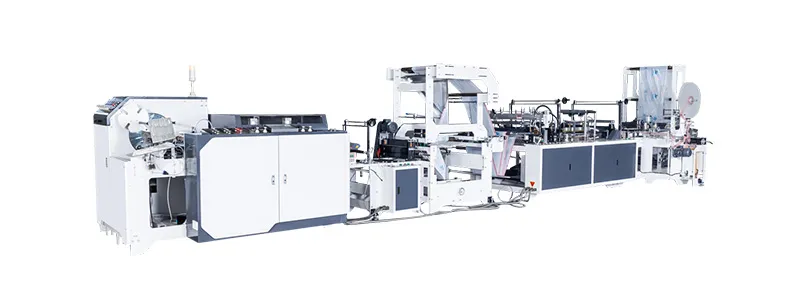
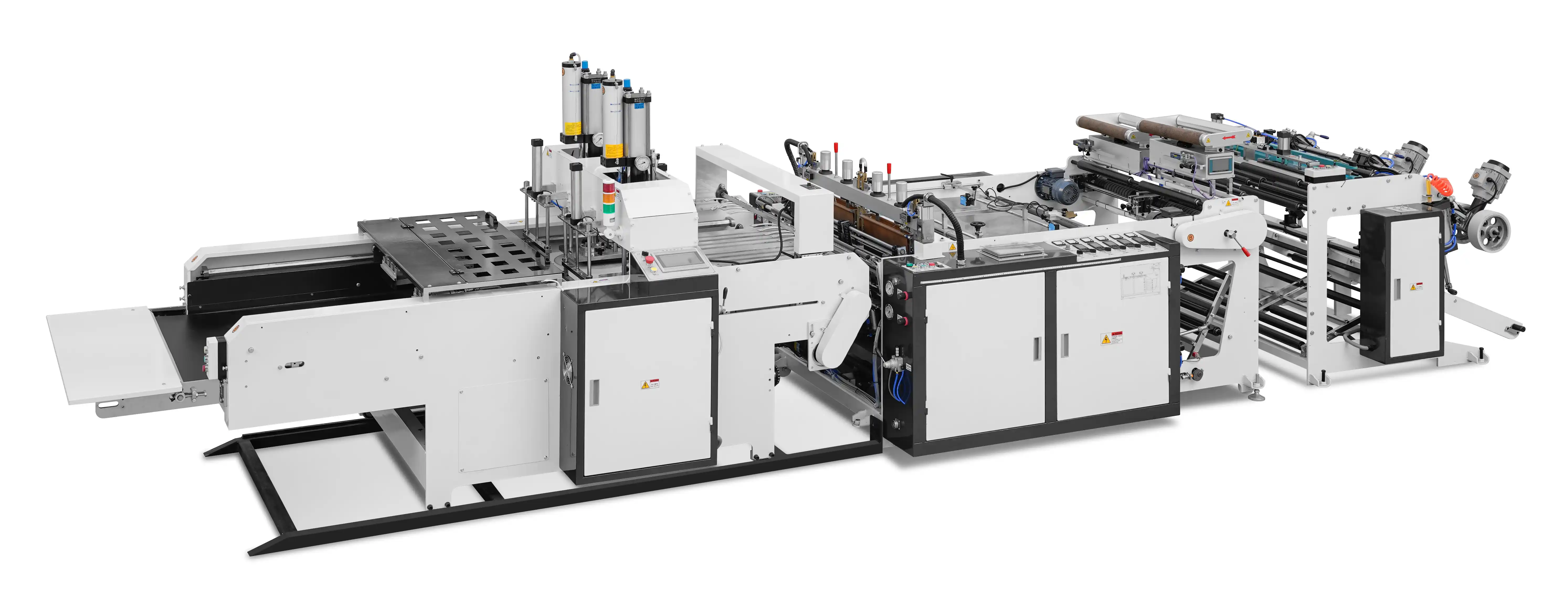
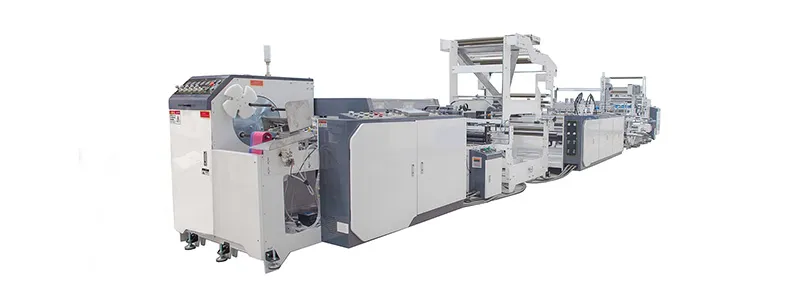
For a deeper dive into production machinery that affects bag quality, refer to t-shirt bag making machines to understand how precision equipment influences consistency.
Supplier Evaluation and Selection Criteria
Selecting the right supplier is critical to achieving cost and quality targets. Evaluate suppliers based on:
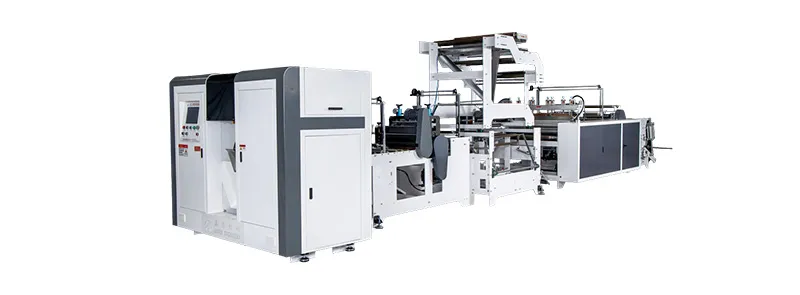
- Production Capability: Does the supplier operate modern lines with high-speed automation? Automated machinery, such as bottom sealing or side sealing machines, ensures uniformity and reduces waste. Check bottom sealing bag making machines as an example of equipment that affects seam integrity.
- Quality Control Systems: Look for ISO 9001 certification, in-line inspection processes, and defect rate guarantees below 1%.
- Track Record: Request references from similar industries (retail, food service, logistics). Evaluate delivery performance and complaint resolution history.
- Customization Flexibility: Some buyers require custom printing, handle styles, or film additives (e.g., UV resistance). Assess supplier willingness to accommodate modifications.
When evaluating multiple suppliers, use a weighted scorecard covering price, quality, delivery, and service. Shortlist three to five candidates before sending detailed requests for proposals.
Cost-Risk Tradeoffs and Implementation Outcomes
Procurement decisions involve balancing upfront costs against long-term risks. Key tradeoffs include:
- Thicker vs. Thinner Film: Thicker bags (e.g., 1 mil) offer higher strength and reduce breakage risk but increase material cost. Thinner bags (0.5 mil) lower unit cost but may lead to higher failure rates and customer complaints.
- Recycled vs. Virgin Material: Recycled content reduces environmental impact and can improve brand image, but may compromise clarity and strength. Test samples to ensure performance meets requirements.
- Local vs. Overseas Suppliers: Local sourcing reduces lead times and shipping costs, but may have higher per-unit prices. Overseas suppliers offer lower costs but introduce logistics complexity and longer delivery windows.
Implementation outcomes depend on effective supplier collaboration. Expect measurable improvements in packaging line efficiency, reduced bag waste, and better customer feedback. Conduct pilot runs before full-scale rollout to validate assumptions.
Next-Step Actions and Inquiry Preparation
To move forward, procurement teams should:
- Define detailed product specifications (include material, dimensions, color, print, packaging).
- Send a request for information (RFI) to at least three suppliers, asking for technical data sheets, pricing per 1,000 bags, lead times, and sample availability.
- Evaluate samples using in-house testing for seal strength, handle tear, and drop test performance.
- Negotiate terms including payment conditions, volume discounts, and quality assurance clauses.
- Schedule a factory audit or video verification to confirm production capabilities and quality controls.
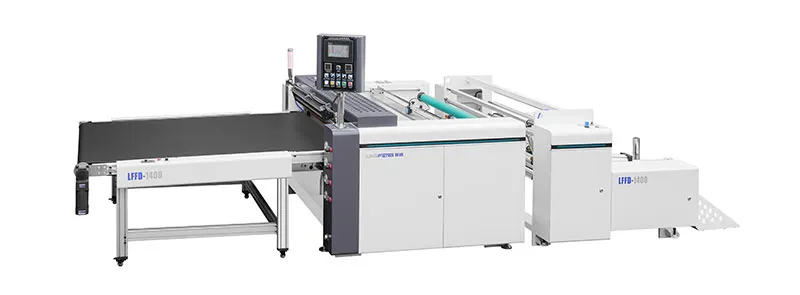
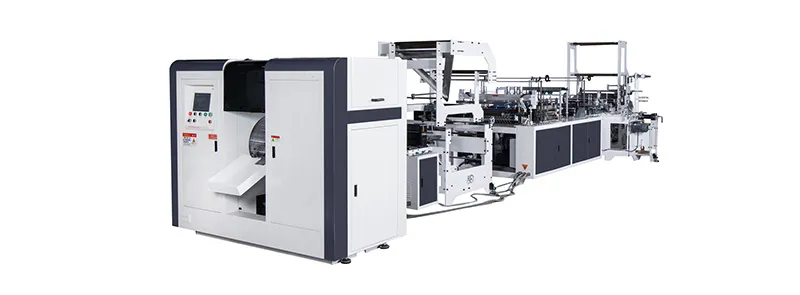
For additional context on related bag production, explore bags on roll making machines to understand alternative packaging formats that may influence your choice.
Frequently Asked Questions (FAQ)
What are the critical specifications to consider when buying t-shirt bags?
Key specifications include film gauge (thickness), bag dimensions, material type (HDPE/LDPE), handle design, and print quality. Always request spec sheets and test samples.
How can I evaluate supplier reliability?
Review production certifications (ISO 9001), ask for customer references, check delivery history, and conduct factory audits. Supplier transparency is a strong indicator of reliability.
What are the common risks in t-shirt bag procurement?
Common risks include inconsistent quality, delayed deliveries, fluctuating raw material costs, and non-compliance with environmental regulations. Mitigate by diversifying suppliers and including penalty clauses in contracts.
Is it cost-effective to use recycled material for t-shirt bags?
Recycled content can reduce material cost by 10–20%, but may affect clarity and strength. Conduct pilot tests to balance cost savings with performance requirements.
What is the typical lead time for custom t-shirt bags?
Lead times range from 2–6 weeks depending on complexity and order volume. Factor in 2–4 weeks for sample approval and production. Always account for shipping time if sourcing internationally.
Conclusion
Effective procurement of t-shirt bags requires a disciplined approach: start with clear specifications, evaluate suppliers using objective criteria, and manage cost-risk tradeoffs proactively. By following this checklist, buyers can reduce supply chain risks, achieve competitive pricing, and ensure consistent product quality. Take the next step by sending out RFIs and requesting samples today.