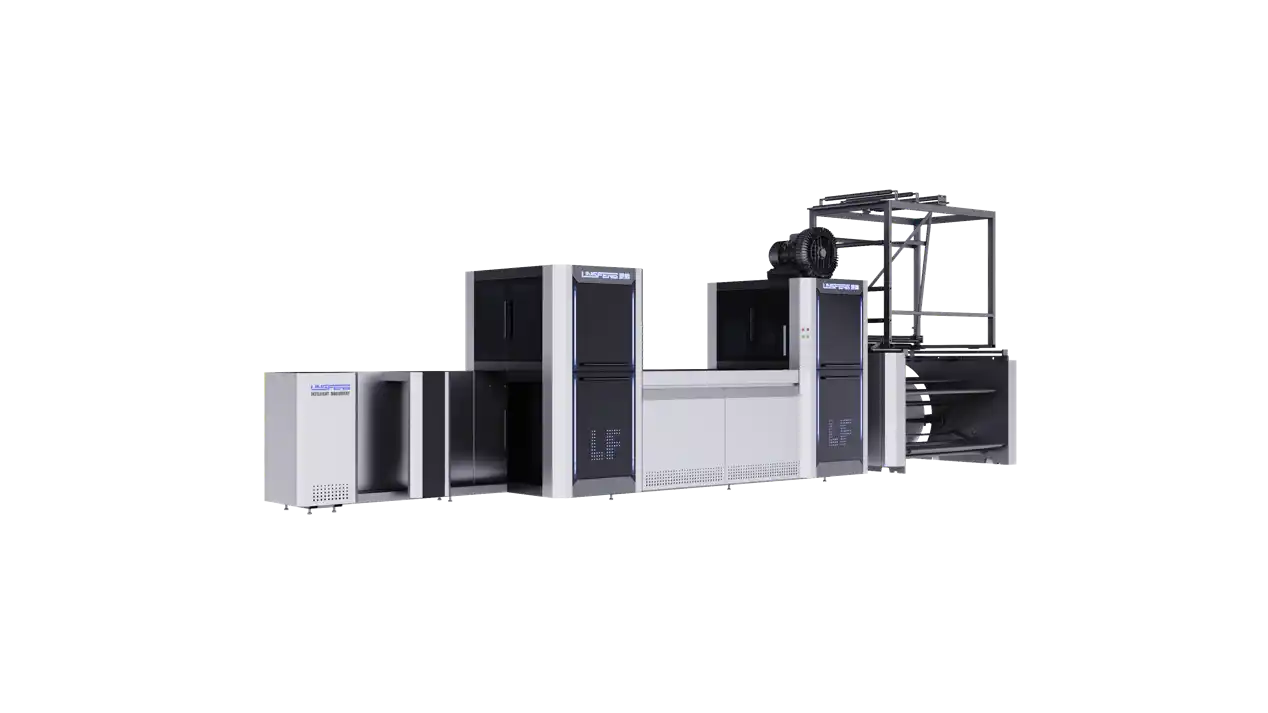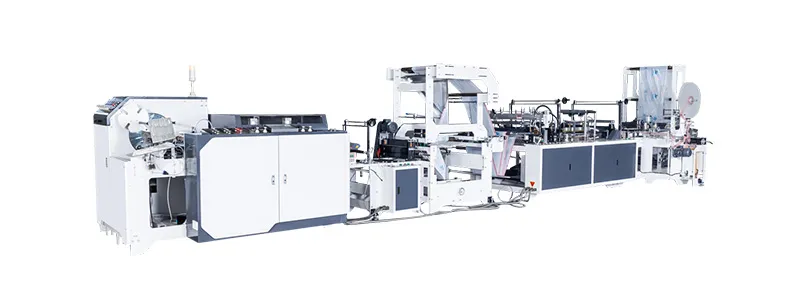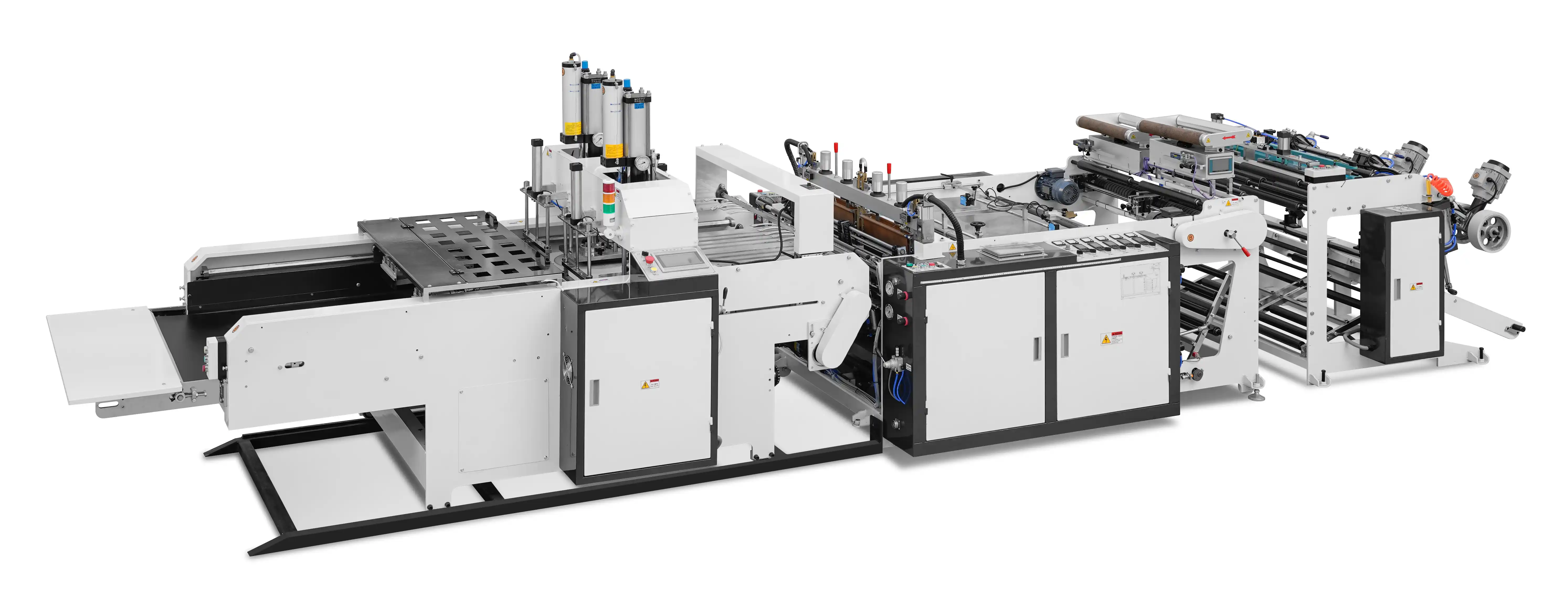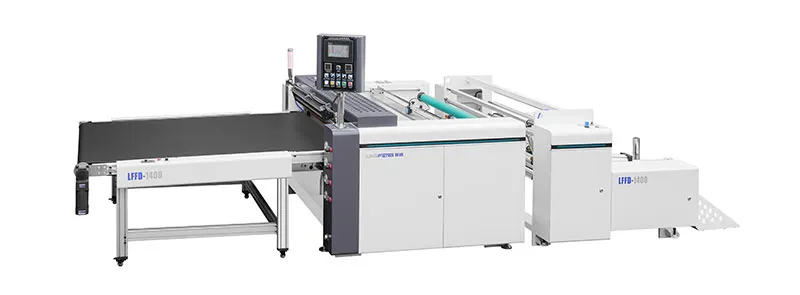

At Lingfng Machinery,with over three decades dedicated to perfecting plastic bag making technology,we understand that purchasing a machine is just the first step toward building a successful packaging business.Our journey has taught us that true efficiency stems from three pillars: selecting the right equipment,mastering its operation,and maintaining it for longevity.This guide expands on our core philosophy,offering actionable insights for both newcomers and seasoned operators looking to maximize their investment.
Choosing a plastic bag making machine isn't about finding the "best" one; it's about finding your perfect match.Your specific product type,material,and output goals should dictate your choice.Let’s break down how our core machine categories align with different business needs.
For High-Volume Retail & Shopping Bags: If your focus is on producing large quantities of T-shirt or vest-style bags from PE or PP materials,a high-speed T-shirt bag making machine is essential.Look for features like Lingfng’s dual-line synchronous drive.This technology isn't just about raw speed; its stability significantly reduces downtime for adjustments,ensuring smoother operation over long production runs. When evaluating such machines,consider how they handle die changes for different handle styles and whether their sealing systems guarantee consistent flatness—a key quality indicator for retail-ready bags.
For Premium & Functional Packaging: When producing roll bags for medical supplies,fresh produce,or industrial parts where seal integrity is paramount,a bottom sealing bag making machine or advanced bags on roll making machine becomes critical.The core differentiator here is often the tension control system.As described in our technology,high-precision sensors that provide real-time feedback are vital.They dynamically adjust material tension throughout film feeding,sealing,and winding,preventing wrinkles or weak seals that lead to product failure. Ask potential suppliers about their system’s ability to maintain consistent tension with varying film thicknesses.
For Versatility & Customization: Many businesses start with standard bags but soon need custom solutions. This is where a manufacturer’s capability in non-standard machine design proves invaluable. Whether it’s creating unique side-sealed formats or integrating special features like draw-tapes on roll bags,the right partner should offer engineering support. Consider not just your current needs but potential future product lines when selecting your equipment foundation.
Once you have the right machine,optimizing its performance is key.This directly addresses common operational queries about adjusting parameters for different materials.
Understanding Material Behavior: Different plastic films (PE,PP,biodegradable PLA) react uniquely to heat and tension. For instance,biodegradable materials often have different melting points and can be stickier after cutting—a challenge addressed by specialized sealing methods like our patented fixed-plate design which prevents film adhesion.
Parameter Adjustment Protocol: A systematic approach prevents waste:
1. Heat Sealing: Always start with manufacturer-recommended temperature settings as a baseline. If seals are weak or film burns,gradually adjust in small increments. Remember that heat must be paired with correct pressure from your sealing bars.
2. Cutting Precision: For clean cuts,ensure knives are sharp and properly aligned. A common issue like ragged edges can often be traced back to a dull blade or incorrect alignment of guiding rollers—keeping these surfaces clean is a simple yet crucial maintenance step.
3.Tension Calibration: Utilize your machine’s control system. Modern machines with intelligent controls allow quick adjustment of speed and tension parameters. Proper tension ensures flat bags without stretching or distortion; too loose causes jams,too tight can deform or tear the film.
Even the most robust machinery requires care. Implementing a daily checklist can prevent major downtime.
Daily: Inspect sealing surfaces for residue buildup,check air filters,and verify safety guards.
Weekly: Lubricate moving parts as per manual instructions and inspect electrical connections.
Scheduled: Proactively replace wear parts like sealing knife elements—using imported high-hardness alloys can extend service life significantly.
For common issues:
Poor Seal Quality: Don’t just increase temperature. First check that heating elements are functioning evenly across the seal bar. Then verify that pressure is applied uniformly. Finally,confirm your film material suits your current parameter set.
Inconsistent Cutting: Check blade sharpness first. For thermal cutting systems,verify that temperature has stabilized at its setpoint. Finally,as per expert advice,inspect that all knife holder screws are securely fastened to prevent vibration-induced imperfections.
At Lingfeng Machinery,we believe our role extends beyond delivering a machine. It encompasses empowering you with the knowledge to unlock its full potential. Our comprehensive service—from software upgrades tailored by our self-developed systems to on-site debugging by experienced engineers—is designed to ensure your operation runs efficiently from day one.
Choosing a plastic bag making machine partner is choosing a collaborator for your growth. We invite you to leverage our three decades of expertise not just in manufacturing,but in solving real-world production challenges.
Ready to define your packaging solution? Contact our team today for a consultation tailored to your specific product goals.



 EN
EN
 ES
ES
 AR
AR